
Table of Contents
What Is Phlegm in the Throat?
Mucus helps protect and moisturize the respiratory system. Phlegm is a type of mucus produced by the lower respiratory tract, particularly the lungs and airways. It may become more noticeable when you have an infection or respiratory condition. Read more about why mucus changes colour.
Mucus helps protect and moisturize the following areas:
- Mouth
- Nose
- Throat
- Sinuses
- Lungs and airways
Normally, mucus is relatively thin and traps dust, allergens, and microorganisms. When the body responds to an infection, allergies, or irritation, mucus production may increase or the mucus may become thicker, causing throat discomfort and congestion.
Why Is There Phlegm in the Throat?
Phlegm in the throat can develop for several reasons, including respiratory infections, allergies, and environmental irritants. Long-term conditions such as cystic fibrosis, chronic obstructive pulmonary disease (COPD), and asthma may also cause excess mucus. Other common causes include sinusitis, postnasal drip, smoking, air pollution, and acid reflux.
How to Get Rid of Phlegm Stuck in the Throat
10 Remedies to Help Relieve Phlegm and Mucus in the Throat
Several home remedies may help soothe throat irritation and make mucus easier to clear. Their effectiveness depends on the underlying cause of the phlegm.
-
Gargle With Salt Water

Gargling with warm salt water may soothe an irritated throat and help clear mucus from the back of the throat. Dissolve half a teaspoon of salt in a glass of warm water, gargle, and spit it out. Repeat as needed. Do not swallow the mixture.
-
Use a Humidifier

Dry air can irritate the nose and throat and make mucus feel thicker. A clean humidifier may help keep the air moist and ease discomfort. Follow the manufacturer’s cleaning instructions to prevent mould and bacteria from accumulating. Learn more about dry nose and sinusitis.
-
Take a Warm Shower

The warm, moist air in a shower may temporarily ease nasal congestion and throat discomfort. Avoid inhaling steam over a bowl of boiling water because it can cause serious burns. Essential oils are not necessary and may irritate sensitive airways. Read about essential oils for sinus symptoms.
-
Try Gentle Humming

Gentle humming may help relax the throat and encourage you to swallow, which can ease the sensation of mucus in the throat. It does not physically break up hardened phlegm or treat the underlying cause. Drink some water afterward if your throat feels dry.
-
Consider Appropriate Medicines and Nasal Treatments
Depending on the cause of your symptoms, a healthcare professional or pharmacist may recommend suitable treatments.
Vapor rubs: Products containing ingredients such as menthol or camphor may temporarily relieve the sensation of congestion. Use them only as directed on the label, and never apply them inside the nose or swallow them.
Decongestants: Medicines such as pseudoephedrine may relieve nasal congestion in some people but are not suitable for everyone. They can affect blood pressure and interact with other medicines. Learn more about sinus infection medicines and their side effects.
Saline nasal sprays or rinses: Saline products may help remove mucus and allergens from the nasal passages. For nasal irrigation, use distilled, sterile, or previously boiled and cooled water.
Expectorants: Medicines containing guaifenesin may help loosen chest mucus in some cases. They are not necessary for every type of throat phlegm. Ask a healthcare professional whether an expectorant is appropriate for your symptoms.
-
Keep Your Head Elevated

Keeping your head slightly elevated while sleeping may help reduce discomfort caused by postnasal drip or acid reflux. Use a suitable pillow or raise the head of the bed if needed. This measure may ease symptoms but does not remove the underlying cause of excess mucus.
-
Identify Foods That Trigger Acid Reflux

Acid reflux can cause throat irritation, coughing, and a sensation of mucus or a lump in the throat. If you experience reflux, identify and limit foods or drinks that trigger your symptoms. Common triggers include spicy or fried foods, chocolate, caffeine, alcohol, tomato-based products, and citrus fruits. Not everyone needs to avoid all these foods. Read more about acid reflux and heartburn and burning in the throat.
-
Avoid Smoke and Tobacco

Cigarette smoke and other airborne pollutants can irritate the respiratory tract and increase mucus production. Avoid smoking, stay away from second-hand smoke, and seek help to quit tobacco if needed. Smoke exposure can also contribute to throat dryness and irritation.
-
Check Whether Dairy Products Affect Your Symptoms
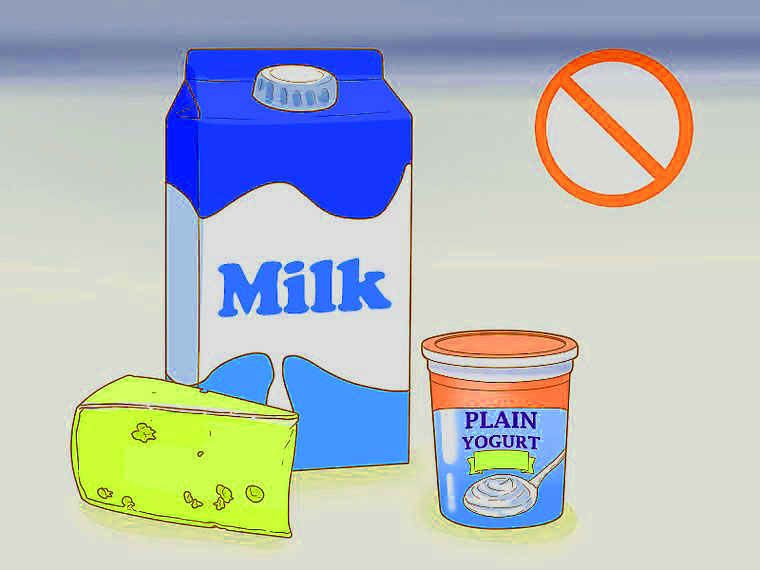
Dairy products do not generally increase mucus production. However, milk may temporarily leave a coating sensation in the mouth and throat, which some people interpret as thicker mucus. You do not need to avoid dairy unless you have an allergy, intolerance, or another medical reason to do so.
-
Avoid Allergens, Fumes, and Other Irritants

Dust, pollen, paint fumes, cleaning chemicals, and air pollution can irritate the airways and trigger mucus production. Limit exposure where possible, use suitable protective equipment when handling chemicals, and keep indoor spaces well ventilated. If allergies are responsible for your symptoms, a doctor can recommend appropriate treatment.
Foods and Drinks That May Help Soothe the Throat
No particular food can reliably eliminate phlegm, but a balanced diet and adequate hydration support general health. You may find the following helpful:
- Water and warm, non-caffeinated drinks to maintain hydration.
- Warm soups or broths to soothe throat discomfort.
- Fruits such as berries and guava as part of a balanced diet.
- Foods containing zinc, such as beans, nuts, seeds, and whole grains.
- Honey in a warm drink to soothe coughing in adults and children over one year old.
Spicy foods may temporarily loosen nasal secretions for some people but can worsen acid reflux in others. Herbal products such as licorice, echinacea, and ginseng are not proven treatments for phlegm and may interact with medicines. Check with a healthcare professional before using herbal supplements.
When Should You Consult a Doctor?
Phlegm may improve with simple home care, but persistent or worsening symptoms can indicate an underlying condition that needs treatment. Consult an ENT doctor or another qualified healthcare professional if you have:
- Phlegm that persists for several weeks or keeps returning.
- Fever, persistent cough, or worsening congestion.
- Blood in your phlegm or unexplained weight loss.
- Difficulty swallowing or persistent hoarseness.
- Symptoms that interfere with sleep or daily activities.
Seek urgent medical care if you experience difficulty breathing, severe chest pain, or significant amounts of blood when coughing.
Also Read: