



When you have a cough and cold, choosing nutritious foods and staying hydrated can help your body cope with the illness and may ease some symptoms. Although no food can instantly cure a common cold, certain foods and drinks can provide fluids, nutrients, and soothing effects that may help you feel more comfortable while you recover.
A common cold is usually caused by a viral infection and often gets better on its own with adequate rest, fluids, and supportive care. Along with following your doctor’s advice when needed, eating a balanced diet can support your overall health during recovery.
Table of Contents
What to Eat When You Have a Cough and Cold?
When you have a cough or cold, choose foods that are easy to eat, provide essential nutrients, and help maintain hydration. Some options that may be helpful include soups, fruits, vegetables, ginger, honey, and other nutrient-rich foods.
Chicken Soup

Warm chicken soup can be a comforting choice when you have a cold. It provides fluids and nutrients, while the warmth may temporarily soothe a sore throat and help loosen nasal mucus. A nutritious soup can also be easier to consume when you have a reduced appetite.
Citrus Fruits

Oranges, lemons, sweet lime, and other citrus fruits are good sources of vitamin C and can be part of a healthy diet during a cold. Vitamin C is important for normal immune function, although consuming vitamin C after a cold has started does not necessarily make the illness disappear faster.
Vegetables and Other Nutrient-Rich Foods
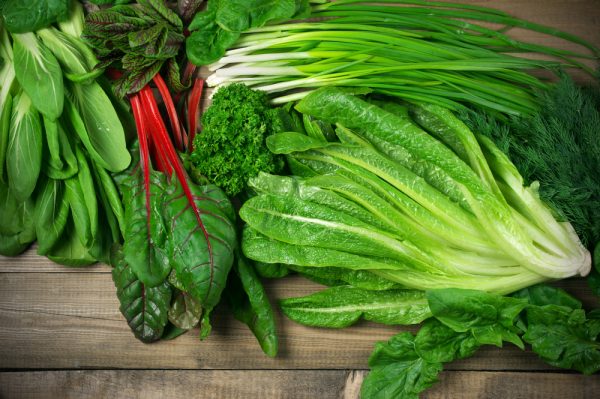
Vegetables such as broccoli, spinach, kale, and other colorful vegetables provide vitamins, minerals, fiber, and other beneficial plant compounds. Eating a varied diet during illness can help you meet your nutritional needs while your body recovers.
Warm and Spicy Foods
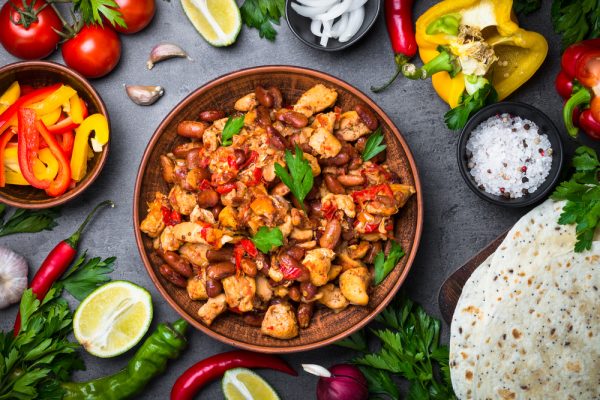
Some people find mildly spicy foods helpful when they have a stuffy nose. Ingredients such as chilli peppers contain capsaicin, which can temporarily increase nasal secretions and make mucus feel easier to clear. However, spicy foods may irritate the throat or worsen heartburn in some people. If they make your symptoms worse, it is better to avoid them.
Ginger
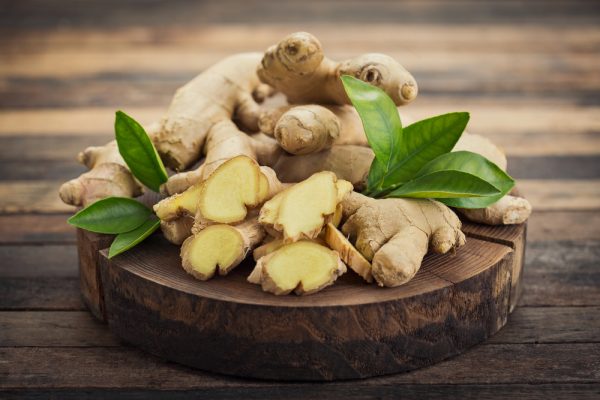
Ginger is commonly used as a home remedy for sore throat, nausea, and digestive discomfort. Warm ginger tea may also feel soothing when you have a cough or irritated throat. However, ginger should not be considered a cure for a viral cold.
Also Read:
How Ginger May Help With a Sore Throat?
Garlic
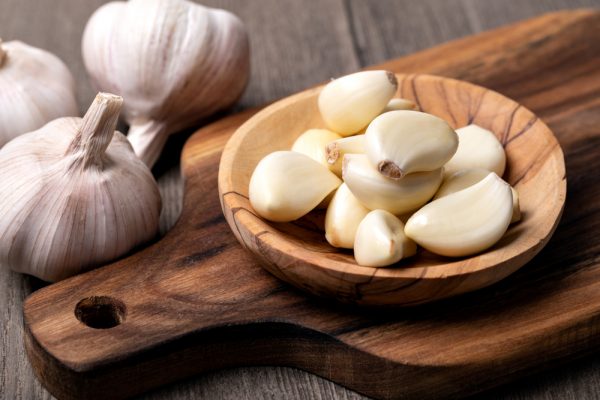
Garlic contains compounds such as allicin and can be included as part of a balanced diet. Adding garlic to soup, broth, or other meals can improve flavor while providing useful nutrients. However, there is not enough evidence to say that eating garlic can cure an existing cold.
Coconut Water and Other Fluids

Staying hydrated is important when you have a cough or cold. Water, soups, warm beverages, and coconut water can help you maintain fluid intake. If you have fever, increased mucus production, or reduced appetite, drinking enough fluids becomes particularly important.
Honey
Honey may help soothe an irritated throat and reduce coughing, particularly at night. You can add a small amount of honey to warm water or tea. However, honey should never be given to children younger than 1 year because of the risk of infant botulism.
Also Read:
Can Honey Help Soothe a Sore Throat?
Bananas
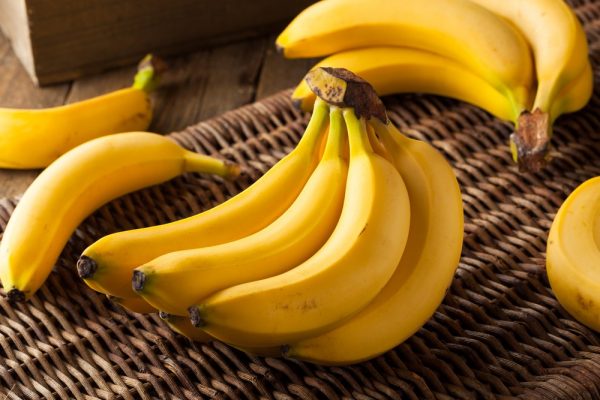
Bananas are soft, easy to eat, and provide carbohydrates, potassium, and other nutrients. They can be a convenient option when you have a poor appetite or find heavier foods difficult to eat.
Leafy Green Vegetables
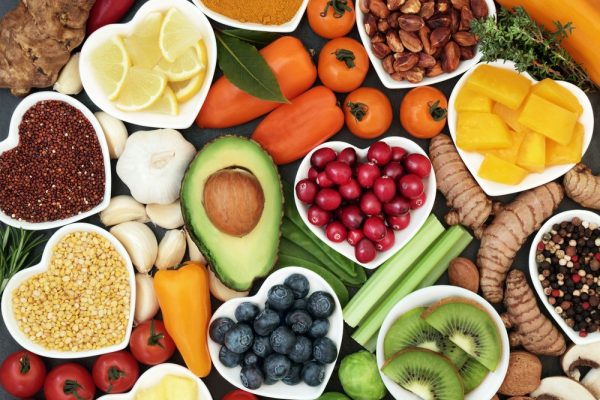
Spinach, lettuce, kale, and other leafy greens provide vitamins, minerals, fiber, and plant compounds. Including a variety of vegetables in your meals can help maintain good nutrition while your body is recovering from an infection.
Foods and Drinks to Limit During Cough and Cold
There is no universal list of foods that everyone with a cold must avoid. However, some foods and drinks may worsen certain symptoms or make it harder to stay hydrated.
Alcohol
It is better to avoid alcohol while recovering from an illness. Alcohol can contribute to dehydration and may interact with some medicines commonly used for cold and flu symptoms.
Excessive Caffeine
Moderate amounts of tea or coffee are generally fine for most people, but excessive caffeine intake may make it harder to maintain adequate fluid intake or sleep well. Choose water and other non-alcoholic fluids throughout the day.
Very Spicy or Irritating Foods
Spicy foods may temporarily clear a stuffy nose, but they can irritate an already sore throat or worsen acidity and heartburn. Avoid them if they make your symptoms uncomfortable.
Highly Processed and Sugary Foods
Having an occasional sweet or processed food is unlikely to affect a simple cold significantly. However, meals centered around highly processed foods may provide fewer essential nutrients than a balanced diet. When you are sick, prioritize nutritious foods that are easy for you to tolerate.
Dairy Products: Do You Need to Avoid Them?
You do not necessarily need to stop consuming milk, curd, or other dairy products when you have a cold. Although some people feel that milk temporarily makes mucus seem thicker, dairy products do not generally increase mucus production. If a particular dairy product makes you feel uncomfortable, you can avoid it temporarily.
Other Ways to Feel Better During a Cough and Cold
Food is only one part of recovering from a cold. You can also take the following supportive measures:
- Drink enough water and other fluids throughout the day.
- Get adequate sleep and rest.
- Use warm fluids to soothe an irritated throat.
- Use a humidifier or breathe in moist air if it helps relieve congestion.
- Maintain good hand hygiene to reduce the spread of respiratory infections.
- Take medicines only as recommended by a doctor or according to the product instructions.
When Should You See a Doctor for a Cough and Cold?
Most common colds improve within several days to about 1–2 weeks. However, persistent or severe symptoms should not be ignored. Consult a doctor if your cough or cold is getting worse, lasts longer than expected, or is associated with symptoms such as difficulty breathing, chest pain, persistent high fever, dehydration, severe weakness, or coughing up blood.
Persistent nasal blockage or facial pressure may also occur because of conditions such as
sinusitis.
If your symptoms keep returning or do not improve, an ENT specialist can help identify the underlying cause.
Final Words
There is no single food that can cure a cough or common cold. However, eating nutritious foods, drinking enough fluids, getting adequate rest, and managing symptoms can help support recovery. Soups, fruits, vegetables, ginger, honey, and other easy-to-tolerate foods can be included as part of a balanced diet.
If your cough becomes severe, persists for several weeks, or is accompanied by breathing difficulty, chest pain, high fever, or other concerning symptoms, consult a healthcare professional rather than relying only on home remedies.
Also Read:
 Doctor available