


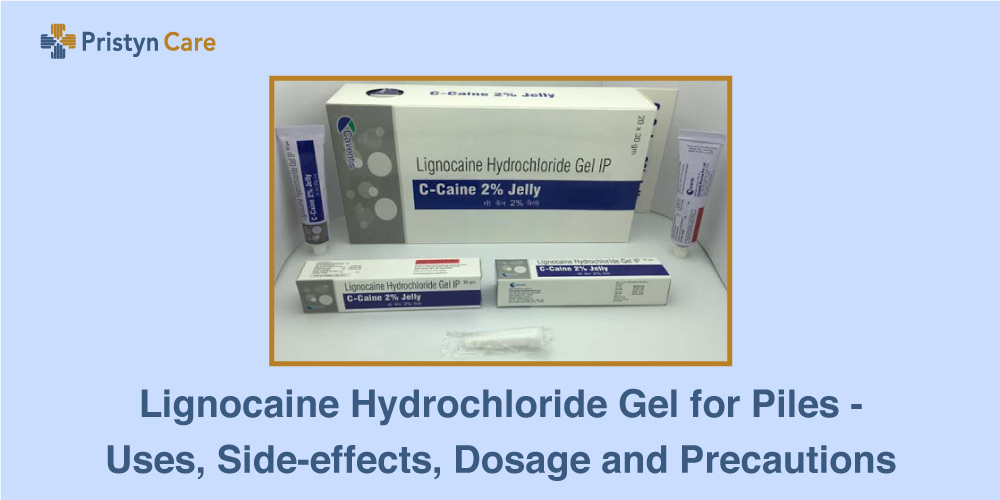
Lignocaine Hydrochloride Gel is a local anesthetic medicine that temporarily numbs the area where it is applied. It may be used to relieve pain, burning, itching, or discomfort associated with conditions affecting the anal and rectal area, including piles (hemorrhoids) and anal fissures. It can also be used as a local anesthetic for certain minor medical procedures.
Lignocaine does not treat the underlying cause of piles or permanently remove hemorrhoids. Instead, it provides temporary symptomatic relief by reducing the sensation of pain in the treated area.
Table of Contents
What is Lignocaine Hydrochloride Gel?
Lignocaine Hydrochloride, also known as lidocaine, is a local anesthetic. When applied to the skin or mucous membrane, it temporarily blocks pain signals from the nerves in that area. This can help reduce discomfort, burning, or itching.
For piles, the gel may provide short-term relief from symptoms such as anal pain, soreness, burning, and itching. However, the appropriate formulation, strength, frequency, and duration of use depend on the product and the individual’s condition.
What is Lignocaine Gel Used For?
Depending on the formulation and medical advice, lignocaine gel may be used for:
- Temporary relief from pain, burning, or itching associated with piles
- Relief of discomfort caused by anal fissures or other anorectal conditions
- Local anesthesia before certain minor medical procedures
- Temporary numbing of specific areas when medically indicated
Does Lignocaine Gel Cure Piles?
No. Lignocaine gel does not cure piles. It works by temporarily reducing the sensation of pain and discomfort. It does not shrink hemorrhoids or correct the underlying swollen blood vessels.
Mild piles may improve with dietary and lifestyle changes, adequate fluid intake, fiber, and other treatments recommended by a doctor. If piles are persistent, recurrent, severely painful, or associated with significant bleeding, a doctor should evaluate the condition and recommend appropriate treatment.
How to Apply Lignocaine Hydrochloride Gel?
Use lignocaine gel only as directed by your doctor or according to the instructions provided with the specific product. The method of application may vary depending on whether it is intended for external use or use inside the anal canal.
- Wash your hands before and after applying the gel.
- Clean the affected area gently and pat it dry before application.
- Apply only the recommended amount.
- Do not apply it more frequently than recommended.
- Avoid contact with the eyes and other areas unless the product is specifically intended for them.
- Do not cover the treated area with a dressing unless advised by a healthcare professional.
Important: Do not use a lignocaine product inside the rectum unless the product is specifically approved for that use and you have been instructed how to apply it.
How Long Does Lignocaine Gel Take to Work?
Lignocaine usually begins producing a numbing effect relatively quickly when applied correctly. However, the onset and duration of relief can vary depending on the formulation, amount used, application site, and individual response.
If pain continues despite using the gel as directed, do not keep applying additional amounts. Consult a doctor to identify and treat the underlying cause.
What If You Miss an Application?
- Apply the missed dose when you remember if you are using the medicine on a regular schedule.
- If it is almost time for the next application, skip the missed application.
- Do not apply extra gel to make up for a missed dose.
- If you use the medicine only when needed, follow your doctor’s instructions or the product label.
Side Effects of Lignocaine Hydrochloride Gel
Most people tolerate topical lignocaine when it is used as directed. However, some people may experience local irritation or other side effects.
- Temporary burning or stinging at the application site
- Redness or irritation
- Itching or skin sensitivity
- Allergic reaction, although this is uncommon
Using too much lignocaine or applying it to large areas or damaged skin can increase the risk of adverse effects. Seek medical attention if you develop severe swelling, difficulty breathing, severe dizziness, unusual drowsiness, confusion, seizures, or other serious symptoms after using the medicine.
Precautions While Using Lignocaine Gel
Before using lignocaine gel, tell your doctor if you have an allergy to lignocaine or other local anesthetics, or if you have any medical conditions or are taking other medicines.
- Use only the recommended amount.
- Do not use it more frequently than instructed.
- Avoid applying it to large areas or severely damaged skin unless advised by a doctor.
- Tell your doctor if you are pregnant or breastfeeding before using it.
- Do not share the medicine with another person.
- Keep the medicine out of reach of children and pets.
Can Lignocaine Gel Be Used for Piles?
Yes, certain lignocaine-containing products may be used to provide temporary relief from pain, burning, or itching caused by piles. However, not every lignocaine gel is intended for anal or rectal use.
If you have piles with persistent bleeding, a painful lump, severe swelling, or symptoms that are not improving, consult a doctor instead of relying on a numbing gel for long-term relief.
Lignocaine Gel for Piles: Uses, Benefits and Precautions
| Purpose | Temporary relief from pain, burning, itching, and discomfort |
| How it works | Temporarily blocks pain signals from nerves in the treated area |
| Does it cure piles? | No. It provides symptomatic relief but does not remove hemorrhoids |
| Common side effects | Temporary irritation, burning, redness, itching, or sensitivity |
| Important precaution | Use only the formulation and amount recommended for the affected area |
What Else Can Help With Piles?
Along with medicines recommended by a doctor, certain lifestyle measures can help reduce constipation and irritation associated with piles:
- Eat enough fiber through fruits, vegetables, whole grains, and other fiber-rich foods.
- Drink adequate fluids unless your doctor has advised fluid restriction.
- Avoid excessive straining during bowel movements.
- Avoid sitting on the toilet for prolonged periods.
- Stay physically active.
- Treat constipation early to reduce pressure on the anal veins.
When Should You See a Doctor for Piles?
You should consult a doctor if your piles symptoms persist, keep returning, or become severe. Medical evaluation is particularly important if you experience rectal bleeding, severe anal pain, a rapidly developing painful lump, dizziness, weakness, or changes in bowel habits.
Rectal bleeding should not automatically be assumed to be caused by piles because other conditions can also cause bleeding.
Take Away
Lignocaine Hydrochloride Gel can provide temporary relief from pain, burning, itching, and discomfort in certain conditions affecting the anal region, including piles. However, it is a symptom-relieving medicine, not a cure for hemorrhoids. Use it only as directed and make sure the specific product is suitable for the intended area of application.
If your piles symptoms continue despite home care or topical treatment, consult a doctor for proper diagnosis and treatment.
- Also Read: Piles Treatment for Diabetics
- Also Read: Prevent Piles from Ever Popping Up Again
- Also Read: Piles Treatment
 Doctor available













.jpg/1681796287744_ban-Icon.png)






























.jpg/1679651251511_ban-Icon.png)












.jpg/1681109066874_ban-Icon.png)





.jpg/1685814002647_ban-Icon.png)




























%20(1).png/1742636902782_ban-Icon.png)