


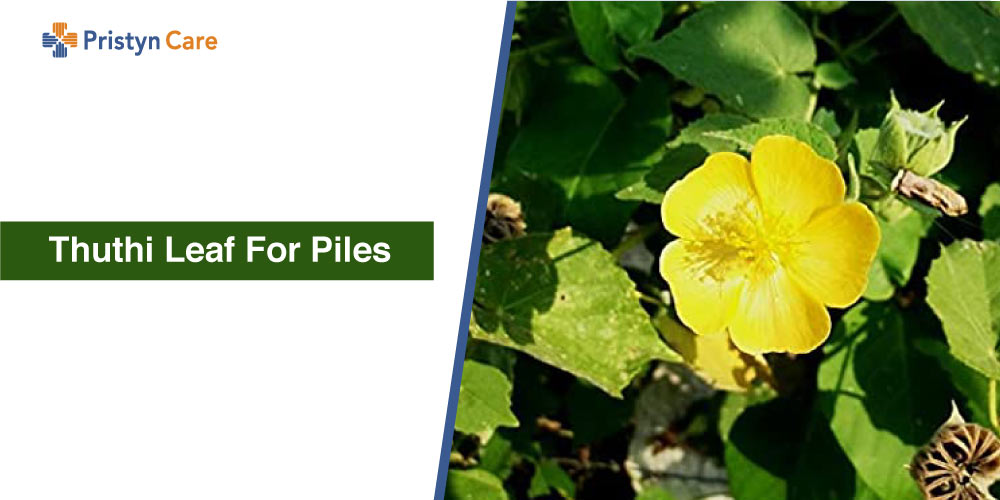
Thuthi Leaf Names in Tamil, Sanskrit, and Telugu:
| Tamil | துத்தி (Thuthi Keerai) |
| Sanskrit | अतिबला (Atibala) |
| Telugu | Duvvena Kayalu |
Thuthi is a medicinal plant commonly associated with Abutilon indicum, also known as Indian mallow. It is a shrub with heart-shaped leaves, pointed tips, and small yellow flowers. Different parts of the plant have been used in traditional medicine, although scientific evidence supporting many of its claimed health benefits remains limited.
Traditional systems of medicine have long used leafy vegetables and herbs as part of everyday diets. Thuthi is one such plant, particularly familiar in parts of South India, where its leaves are known as Thuthi Keerai.
In Tamil Nadu, Thuthi leaves are traditionally cooked and consumed as a leafy vegetable. Different parts of the plant, including its leaves, roots, flowers, and seeds, have been used in traditional remedies. Thuthi Keerai is also traditionally associated with digestive health and constipation relief, although reliable clinical evidence for these uses is limited.
Thuthi grows in tropical and subtropical regions and may be found along roadsides, in open areas, and in other suitable habitats. Its distribution includes parts of India and other tropical regions. Correct plant identification is important before using it for medicinal purposes, as common names can refer to different species.
Also Read – Cure Piles in 3 Days
Table of Contents
Thuthi Leaf for Piles
Piles, also known as hemorrhoids, are swollen blood vessels in or around the anus that may cause pain, itching, swelling, and rectal bleeding. Thuthi leaves are used in some traditional remedies for piles because of their traditionally described soothing and anti-inflammatory properties. However, there is insufficient high-quality clinical evidence to establish that Thuthi leaves can treat or cure hemorrhoids.
A fiber-rich diet, adequate fluid intake, and avoiding straining during bowel movements can help manage hemorrhoid symptoms. Persistent bleeding or pain should be evaluated by a healthcare professional because other conditions can cause similar symptoms.
How to Use Thuthi Leaf for Piles
-
Method 1: Traditional Leaf Preparation
In traditional practices, Thuthi leaves may be prepared with other ingredients and consumed as part of a home remedy. However, there is no established safe or effective dose for treating piles. Consult a qualified healthcare professional before consuming Thuthi preparations for medicinal purposes.
-
Method 2: Warm Leaf Compress
Some traditional remedies involve warming leaves in oil and applying them externally to swollen areas. However, the safety and effectiveness of this practice for hemorrhoids have not been established. Avoid applying unverified herbal preparations or hot oils to sensitive anal tissue, particularly if there is bleeding, broken skin, or irritation.
-
Method 3: Traditional Leaf Decoction
Thuthi leaves are sometimes boiled in water and combined with other ingredients in traditional preparations. However, there is insufficient clinical evidence to confirm that these preparations relieve hemorrhoids or constipation. Discuss herbal remedies with a healthcare professional before using them regularly.
-
Method 4: Thuthi Keerai Kootu
Thuthi Keerai Kootu: This traditional dish can be prepared using thoroughly washed Thuthi leaves, small onions, cooked toor dal, cumin, pepper, and gingelly oil. Heat the oil in a pan, add cumin and chopped onions, and cook until softened. Add the chopped leaves and a little water, then cook thoroughly. Mix in the cooked toor dal, pepper, and salt to taste. Serve with rice as part of a balanced meal.
This dish can contribute fiber and other nutrients to your diet, depending on the ingredients and portion size. However, it should not be considered a proven treatment or cure for piles.
| Note: Consult a qualified healthcare professional before using Thuthi leaves or other herbal preparations medicinally, especially if you are pregnant, breastfeeding, taking medication, or have an existing health condition. |
Benefits of Thuthi Leaves
Thuthi leaves have several traditional uses. However, many claimed health benefits have not been adequately established through human clinical studies.
-
Potential Anti-Inflammatory Properties
Some preliminary research on plants used in traditional medicine suggests that certain extracts may have anti-inflammatory properties. More human research is needed to determine whether Thuthi leaves provide meaningful benefits.
-
Traditional Use for Oral Health
Thuthi leaves have been used in some traditional preparations for oral health. However, there is insufficient evidence to establish that gargling with Thuthi leaf water treats bleeding gums. Persistent gum bleeding should be evaluated by a dentist.
-
Traditional Use in Women’s Health
Some traditional practices use Thuthi leaves for women’s health concerns. However, there is no reliable clinical evidence that consuming these leaves treats abnormal vaginal discharge. Unusual discharge, particularly when accompanied by itching, odor, fever, or pelvic pain, requires medical evaluation.
-
Bleeding and Digestive Complaints
Traditional remedies have used Thuthi preparations for various complaints, including bleeding and digestive discomfort. However, vomiting blood is a medical emergency and must never be treated with herbal remedies alone. Seek immediate medical attention if you vomit blood.
-
Traditional Use for Wound Care
Thuthi leaves have been used traditionally in topical preparations for minor skin concerns. However, their effectiveness and safety for wound healing have not been established adequately. Avoid applying unsterile plant material to open wounds, and seek medical care for deep, infected, or persistent wounds.
-
Traditional Herbal Decoctions
Decoctions made from different parts of the Thuthi plant are used in traditional medicine. However, there is insufficient clinical evidence to confirm that these preparations treat piles, paralysis, kidney failure, or nerve disorders. Do not use herbal decoctions as a substitute for prescribed medical treatment.
Other Traditional Uses of the Thuthi Plant
- Traditionally used in preparations for hemorrhoids and other digestive complaints, although clinical effectiveness remains unproven.
- Used in traditional remedies for constipation, but its safety, dosage, and effectiveness as a laxative require further research.
- Some traditional practices use the flowers and other plant parts for reproductive health, but there is insufficient evidence to establish benefits for sperm motility or male infertility.
- Used in traditional medicine for a variety of general health complaints, although claims that it purifies the blood are not scientifically established.
- Certain traditional preparations are used for neurological and kidney-related conditions, but they are not proven treatments for paralysis, kidney failure, or nerve disorders.
Takeaway
Thuthi leaves are used in traditional Indian medicine and can be prepared as a leafy vegetable. However, claims that Thuthi leaves cure piles, fistula, or other medical conditions are not supported by sufficient high-quality clinical evidence. If you experience rectal bleeding, persistent anal pain, swelling, or symptoms that do not improve, consult a qualified healthcare professional to identify the cause and discuss appropriate treatment options.
At Pristyn Care, patients can explore available options for the evaluation and treatment of piles. Visit the website to learn more about piles treatment and consult a qualified doctor about suitable care.

- Also Read: Why Am I Not Getting Pregnant? Common Factors
- Also Read: Piles Treatment
- Also Read: 4 Methods for Kidney Stone Removal
- Also Read: Laser Circumcision – Benefits and Recovery
 Doctor available