


Hemorrhoids, also called piles, are swollen veins in or around the anus and lower rectum. They can cause itching, discomfort, pain and sometimes bleeding. Sitting for long periods may worsen discomfort, particularly during a flare-up. Choosing a comfortable sitting position, avoiding prolonged toilet visits and preventing constipation can help manage symptoms.
If you are wondering about the best sitting position for hemorrhoids, a few simple adjustments may help reduce pressure and make everyday activities more comfortable.
Table of Contents
Ways to Relieve Hemorrhoid Pain and Find a Comfortable Sitting Position
-
Choose a Comfortable Cushion
A soft, supportive cushion may make sitting more comfortable when hemorrhoids are painful. Some people find hollow or doughnut-shaped cushions helpful, but these do not work for everyone and may increase pressure in certain areas. Choose a cushion that feels comfortable and avoid anything that worsens your symptoms. Read more about cushions for piles patients.
-
Try a Towel Roll or Foam Wedge
A folded towel or supportive foam wedge may help you adjust your sitting position and distribute pressure more comfortably. Position it under your thighs or hips as needed, and change the arrangement if it increases discomfort. Keep your back supported and avoid sitting in one position for too long.
-
Lie Down with a Pillow Beneath Your Knees
If sitting becomes uncomfortable, try resting on your back with a pillow beneath your knees or lying on your side. Choose whichever position reduces pressure and discomfort. Changing positions throughout the day may be more helpful than maintaining one posture for long periods.
-
Adjust Your Position While Passing Stool
Raising your feet on a small footstool while sitting on the toilet can help place your body in a more comfortable position for passing stool. Avoid holding your breath or straining. If you cannot pass stool easily, get up and try again later rather than sitting and pushing for an extended period.
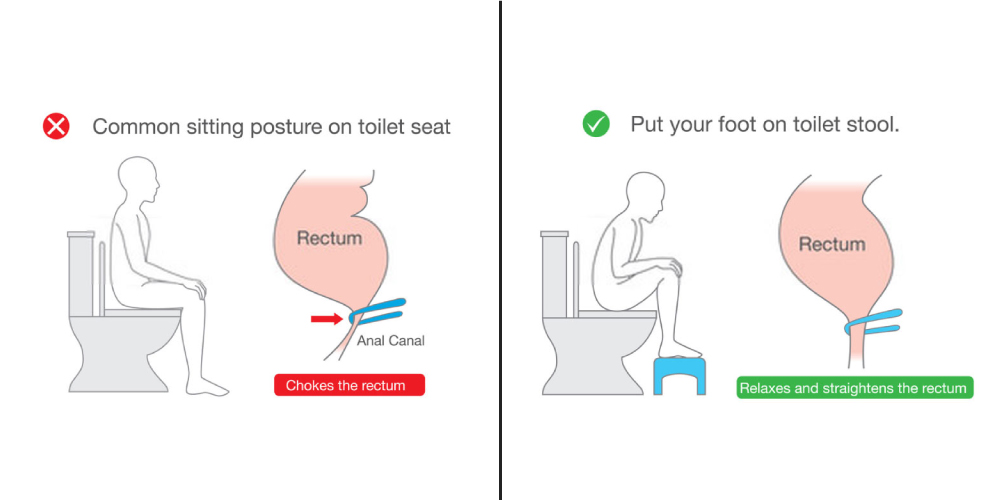
Learn more about whether squatting stools make it easier to pass stool.
-
Avoid Sitting on the Toilet for Too Long
Prolonged toilet sitting, particularly when straining, can aggravate hemorrhoid symptoms. Avoid using your phone or reading while on the toilet, and leave once you have finished. If you regularly experience constipation or difficulty passing stool, discuss suitable management options with a healthcare professional.
Also read about the sitz bath procedure and its benefits.
-
Choose Cushions Based on Comfort
Rubber ring or doughnut-shaped cushions are not suitable for everyone. Some people find them helpful, while others experience increased pressure or discomfort. There is no single cushion that works best for all hemorrhoid patients. Stop using one if your symptoms worsen and consider a soft, flat cushion or another supportive option.
-
Avoid Straining and Excessive Pressure
Straining during bowel movements can worsen hemorrhoid symptoms. Avoid prolonged pushing, and use proper lifting techniques when handling heavy objects. If an activity increases pain around the anus, pause and adjust your position. If you have persistent pain or bleeding, seek medical advice rather than relying only on posture changes.
Other Ways to Manage Hemorrhoid Discomfort
Along with choosing a comfortable sitting position, the following measures may help relieve symptoms:
- Take a warm sitz bath: Soak the anal area in comfortably warm water for around 10–15 minutes, if helpful. Avoid adding bleach or other unapproved substances.
- Use a cold compress: Apply a cold pack wrapped in a clean cloth for short periods to help soothe swelling and discomfort. Do not apply ice directly to the skin.
- Eat fibre-rich foods: Include fruits, vegetables, legumes and whole grains to help keep stools soft.
- Drink enough water: Adequate fluid intake can support regular bowel movements, unless you have been advised to restrict fluids.
- Stay active: Take regular short walks and avoid remaining seated for long stretches.
- Maintain gentle hygiene: Clean the area gently after bowel movements and avoid vigorous wiping or irritating products.
For more guidance, explore our articles on anorectal conditions and lifestyle changes.
When Should You Consider Medical Treatment for Hemorrhoids?
Many mild hemorrhoid symptoms improve with dietary changes, adequate hydration and appropriate home care. However, persistent symptoms, repeated bleeding, severe pain or a lump that does not improve should be assessed by a healthcare professional. Rectal bleeding should not automatically be attributed to hemorrhoids, as other conditions can cause it.
Depending on the severity and type of hemorrhoids, treatment may include medication, office-based procedures or surgery. Laser treatment is one option in selected cases, but it is not the best choice for everyone and does not guarantee that hemorrhoids will never recur. Discuss the benefits, risks and alternatives with a qualified surgeon before deciding on treatment.
You can learn more about piles treatment options and discuss an appropriate plan with a healthcare professional.
Conclusion
The best sitting position for hemorrhoids is one that feels comfortable and does not increase pressure or pain around the anal area. Supportive cushions, changing positions regularly, avoiding prolonged toilet sitting and preventing constipation may help manage symptoms. Warm sitz baths and a fibre-rich diet can also support symptom relief.
If pain, swelling or bleeding persists, consult a healthcare professional to identify the cause and discuss suitable treatment options.
Also Read:
 Doctor available