


Phimosis is a condition in which the foreskin of the penis is too tight to be pulled back comfortably over the glans, or head of the penis. It can cause difficulty retracting the foreskin, pain during erections or sexual activity, difficulty maintaining proper hygiene, and sometimes discomfort while urinating.
Phimosis is common in young boys as the foreskin naturally separates from the glans with age. In older children and adults, persistent or newly developed phimosis may be related to inflammation, infection, repeated irritation, or scarring. Treatment depends on the cause and severity of the condition.
Mild cases may improve with conservative treatment, such as prescribed steroid creams combined with gentle stretching. However, home remedies cannot permanently cure every case of phimosis. Attempting to forcefully retract a tight foreskin can cause small tears, bleeding, and scarring and may make the condition worse.
Table of Contents
Can Phimosis Be Treated Without Surgery at Home?
Some cases of phimosis can be managed without surgery, particularly when the foreskin is only mildly tight and there is no significant scarring. Treatment may include gentle stretching and prescription topical corticosteroids under the guidance of a doctor.
Home care can support penile hygiene and comfort, but there is no proven oil, herbal remedy, or home treatment that can reliably remove scar tissue or permanently cure severe phimosis.
Home Remedies and Self-Care for Phimosis
1. Use a Gentle Lubricant During Stretching

Gentle stretching may help improve foreskin flexibility in selected cases of mild phimosis. A small amount of a suitable lubricant can reduce friction during stretching. Coconut oil may be used as a lubricant if it does not cause irritation, but it should not be considered a treatment that cures phimosis on its own.
Never force the foreskin back. Stretch only to the point of mild tension and stop immediately if you experience pain, tearing, bleeding, or significant discomfort.
2. Avoid Irritating Products
There is no strong clinical evidence that castor oil cures phimosis. Applying oils or other substances to the foreskin can sometimes cause irritation or allergic reactions. Instead, keep the area clean and avoid products that cause dryness or irritation.
If you have been advised to use a lubricant during prescribed stretching exercises, follow your urologist’s instructions rather than applying multiple products to the area.
3. Take Warm Water Showers
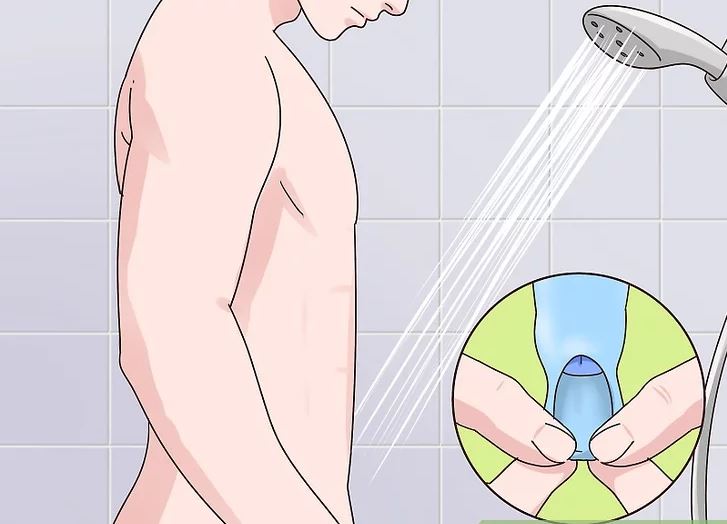
A warm shower can make the skin more comfortable and temporarily improve its flexibility. It may make gentle stretching easier for some people.
However, warm water does not permanently widen a scarred or severely narrowed foreskin. If stretching causes pain, stop rather than trying to force the foreskin back.
4. Try Prescribed Phimosis Stretching Exercises
Gentle stretching is sometimes recommended as part of conservative treatment. The exact technique depends on the person’s age, severity of phimosis, and whether scarring is present.
The foreskin should never be forcibly retracted. Excessive stretching can create small tears, which may heal with scar tissue and potentially worsen phimosis. If your doctor recommends stretching, perform it gradually and consistently according to their instructions.
5. Maintain Good Penile Hygiene
Good hygiene is important, especially when the foreskin can be retracted partially or completely. Wash the penis gently with lukewarm water and dry the area afterward.
Do not forcefully retract the foreskin simply to clean underneath it. Avoid harsh soaps, fragranced products, and other irritants if they cause dryness or inflammation.
6. Use a Cold Compress for Temporary Swelling
If the foreskin is mildly swollen or irritated, a cold compress wrapped in a clean cloth may provide temporary relief. Apply it for a short period rather than placing ice directly on the skin.
A cold compress only helps with temporary discomfort and does not treat the underlying cause of phimosis. If swelling is significant, painful, or keeps returning, consult a doctor.
Antibiotics for Phimosis
Phimosis itself is not usually treated with antibiotics. However, if a doctor identifies a bacterial infection affecting the foreskin or penis, antibiotics may be prescribed.
Fungal infections may require an antifungal medication instead. The appropriate treatment depends on the type of infection, so antibiotics or antifungal medicines should not be used without a medical diagnosis.
Steroid Creams for Phimosis
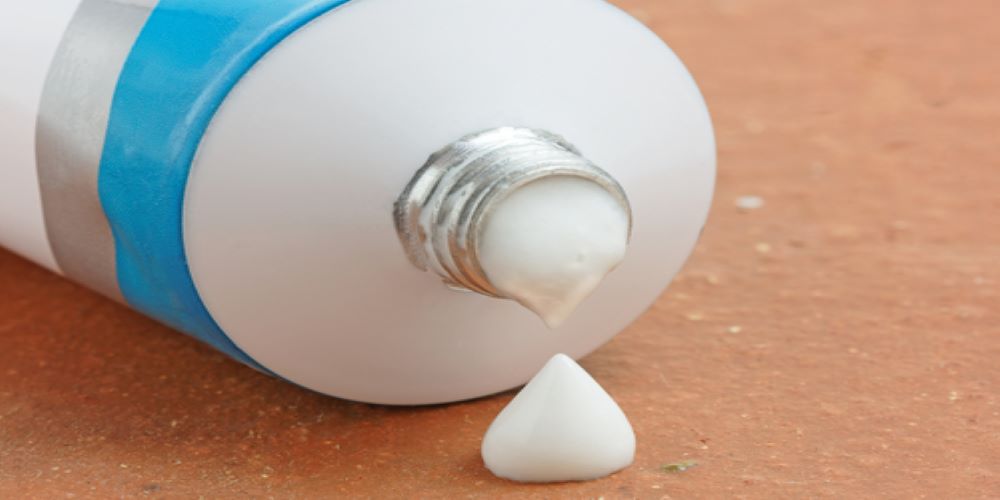 Topical corticosteroids are one of the commonly used non-surgical treatments for phimosis. When prescribed by a doctor, a corticosteroid cream can help soften and improve the elasticity of the tight foreskin, making gentle stretching easier.
Treatment is generally used for several weeks, with the exact medicine, strength, frequency, and duration determined by the doctor. The cream should be applied to the narrowed part of the foreskin as instructed, and stretching may be combined with treatment when appropriate.
Do not use prescription steroid creams without medical guidance or continue them for longer than recommended. If the foreskin remains severely tight, scarring is present, or the condition returns after treatment, a urologist may recommend another treatment option.
Can Phimosis Be Cured Without Surgery?
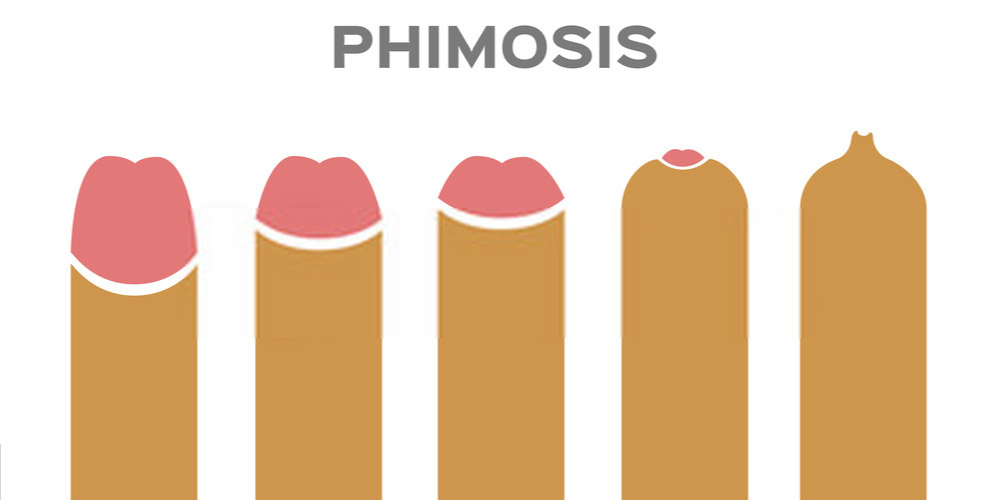
Yes, some cases of phimosis can improve without surgery. Mild cases may respond to prescribed topical corticosteroids and gentle stretching. However, the chances of successful non-surgical treatment depend on factors such as the severity of tightness, the presence of scar tissue, the underlying cause, and the patient’s age.
Severe or scar-related phimosis may not respond adequately to conservative treatment. Untreated symptomatic phimosis can cause problems such as painful erections, difficulty urinating, recurrent inflammation or infections, and discomfort during sexual activity.
Phimosis can also increase the risk of paraphimosis. In paraphimosis, a retracted foreskin becomes trapped behind the glans and cannot be returned to its normal position. This can restrict blood flow and requires urgent medical attention.
What to Do If Non-Surgical Treatment for Phimosis Does Not Work?
It is understandable that some people may feel anxious about undergoing surgery for phimosis. However, when conservative treatment fails or the condition is severe or recurrent, a surgical procedure may provide a definitive solution.
One of the commonly performed procedures is laser circumcision, in which the problematic foreskin is removed. The procedure may be recommended when phimosis causes persistent symptoms, significant scarring, recurrent infections, or does not improve with conservative treatment.
If your phimosis is severe or keeps returning despite non-surgical treatment, your urologist may discuss circumcision or another appropriate procedure. Stapler circumcision may also be an option for selected patients. Your doctor can explain which procedure is suitable based on your condition. You can also consult a urologist for phimosis treatment, paraphimosis treatment, balanitis treatment, or balanoposthitis treatment from the comfort of your home with an online consultation.
Also Read:
 Doctor available



















%20(4)%20(1).jpg/1682933853454_ban-Icon.png)


.jpg/1681796287744_ban-Icon.png)




















.jpeg/1777541472938_ban-Icon.png)












.jpg/1679651251511_ban-Icon.png)









.jpg/1681109066874_ban-Icon.png)





.jpg/1685814002647_ban-Icon.png)




































%20(1).png/1742636902782_ban-Icon.png)