Select city location icon
Ambernath
phone icon in white color

Call Us

Book FREE Appointment

What Is Bariatric Surgery?

Bariatric surgery, also known as weight loss surgery, refers to a group of surgical procedures performed to help individuals with severe obesity lose weight by making changes to the digestive system. These procedures either restrict the amount of food the stomach can hold, reduce the absorption of nutrients, or both. Bariatric surgery is typically recommended when lifestyle changes, diet, and medications have failed to achieve adequate weight loss in individuals with a body mass index (BMI) of 40 or above, or a BMI of 35 or above with serious obesity-related health conditions such as type 2 diabetes, hypertension, or sleep apnea.

Overview

Types of Bariatric Surgery
  • Laparoscopic Sleeve Gastrectomy (LSG)
  • Roux-en-Y Gastric Bypass (RYGB)
  • Laparoscopic Adjustable Gastric Band (LAGB)
  • Biliopancreatic Diversion with Duodenal Switch (BPD/DS)
  • Mini Gastric Bypass (MGB)
  • Revision Bariatric Surgery
Who Is a Candidate for Bariatric Surgery?
  • BMI ≥ 40 (morbid obesity)
  • BMI ≥ 35 with obesity-related conditions such as type 2 diabetes, hypertension, or sleep apnea
  • Failed sustained weight loss despite diet, exercise, and medical management
  • Absence of drug or alcohol dependency
  • Psychologically stable and committed to lifestyle changes
  • No uncontrolled psychiatric conditions that may affect compliance
Obesity-Related Health Conditions Treated
  • Type 2 diabetes
  • Hypertension (high blood pressure)
  • Obstructive sleep apnea
  • High cholesterol and triglycerides
  • Non-alcoholic fatty liver disease (NAFLD)
  • Gastroesophageal reflux disease (GERD)
  • Joint pain and osteoarthritis
  • Polycystic ovary syndrome (PCOS)
Benefits of Bariatric Surgery
  • Significant and sustained long-term weight loss
  • Improvement or remission of type 2 diabetes
  • Reduction in blood pressure and cholesterol levels
  • Improved mobility and reduced joint pain
  • Better sleep quality and resolution of sleep apnea
  • Enhanced overall quality of life and mental well-being
  • Reduced risk of cardiovascular disease
Recovery After Bariatric Surgery
  • Hospital stay of 2-4 days post-surgery
  • Resume light activities within 1-2 weeks
  • Return to work within 3-4 weeks depending on job type
  • Liquid and soft diet in the first few weeks post-surgery
  • Regular follow-ups with the bariatric team for dietary and medical support
  • Complete recovery and stable weight loss within 12-18 months

Diagnosis & Treatment

Diagnosis Before Bariatric Surgery

Before recommending bariatric surgery, the surgeon conducts a comprehensive medical evaluation to assess the patient’s overall health, obesity-related conditions, and suitability for surgery. A multidisciplinary team approach is typically followed, involving a bariatric surgeon, dietitian, psychologist, and other specialists as required.
  • BMI and Body Composition Assessment – The surgeon measures the patient’s weight, height, waist circumference, and body mass index (BMI) to determine the degree of obesity and evaluate the need for surgical intervention.
  • Blood Tests – Comprehensive blood investigations are performed to assess metabolic health, organ function, hormone levels, nutritional status, and identify any underlying conditions such as diabetes, thyroid disorders, or anaemia.
  • Imaging Tests – Abdominal ultrasound, upper gastrointestinal endoscopy (UGI scope), and other imaging studies may be recommended to evaluate the stomach, liver, and surrounding structures.
  • Cardiac Evaluation – An ECG and other cardiac tests may be performed to assess heart health before surgery, especially in patients with hypertension or other cardiovascular risk factors.
  • Pulmonary Assessment – Patients with suspected sleep apnea or respiratory issues may undergo a sleep study or pulmonary function test to evaluate breathing during sleep.
  • Psychological Evaluation – A psychological assessment is performed to evaluate the patient’s mental health, eating habits, motivation, and readiness for the lifestyle changes required after bariatric surgery.
  • Dietary Counselling – A registered dietitian assesses current dietary habits and provides pre-operative nutritional guidance to prepare the patient for post-surgical dietary changes.
Read More

Bariatric Surgery Procedures

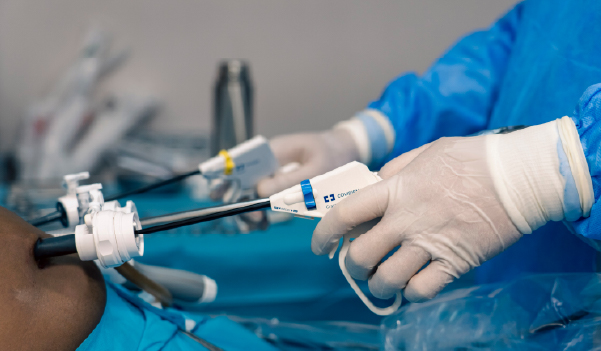
Several bariatric surgery options are available, and the choice of procedure depends on the patient’s BMI, health conditions, lifestyle, and surgical goals. All procedures at Pristyn Care are performed laparoscopically (minimally invasive) by experienced bariatric surgeons.

  • Laparoscopic Sleeve Gastrectomy (LSG) – Also known as a gastric sleeve, this procedure involves removing approximately 75-80% of the stomach, leaving a sleeve-shaped stomach. It restricts food intake and reduces hunger hormones, leading to significant weight loss. LSG is the most commonly performed bariatric procedure globally.
  • Roux-en-Y Gastric Bypass (RYGB) – In this procedure, the surgeon creates a small stomach pouch and connects it directly to a section of the small intestine, bypassing the rest of the stomach and a portion of the intestine. This reduces both food intake and nutrient absorption, resulting in substantial weight loss and metabolic improvements.
  • Mini Gastric Bypass (MGB) – A simplified version of the gastric bypass, the mini gastric bypass involves creating a narrow stomach sleeve and connecting it to the small intestine, reducing absorption and restricting intake. It is effective for significant weight loss with a shorter operative time.
  • Laparoscopic Adjustable Gastric Band (LAGB) – An adjustable silicone band is placed around the upper part of the stomach to create a smaller stomach pouch, limiting food intake. The band can be adjusted based on the patient’s weight loss progress and is reversible.
  • Biliopancreatic Diversion with Duodenal Switch (BPD/DS) – A more complex procedure involving both sleeve gastrectomy and intestinal bypass, resulting in significant weight loss and metabolic improvement. It is typically recommended for patients with very high BMI.
  • Revision Bariatric Surgery – Performed in patients who have had a previous bariatric procedure with inadequate weight loss, weight regain, or complications. Revision procedures are tailored based on the original surgery and the patient’s current condition.
Read More

Why choose Pristyn Care for Bariatric Surgery ?

Best Bariatric Surgery Clinics

01

Bariatric Surgery for Weight Loss

At Pristyn Care, we leverage advanced techniques like sleeve gastrectomy, adjustable gastric banding, gastric bypass, gastric balloon, etc. to promote weight loss with high success rates.

02

Expert Bariatric Surgeons

Our expert doctors have 10+ years of experience in performing gastric bypass surgery safely. The doctor compiles a personalized treatment plan for each patient.

03

Smooth Recovery & Post-op Care

Pristyn Care team and doctors will stay in touch with you to provide ample support and proper care after surgery. We provide Recovery Follow up consultations to all the patients to ensure they have a smooth recovery.

04

Insurance Approval & No-Cost EMI

We accept all health insurance to cover the bariatric surgery cost. No-Cost EMI service is also available for all patients to divide the entire treatment cost into easy installments.

care service Still haven’t found the solution?
phone icon080-6542-3509 Call us now

How to Prepare for Bariatric Surgery?

Proper preparation before bariatric surgery plays an important role in ensuring a safe procedure and smooth recovery. Your bariatric team will provide detailed instructions tailored to your medical condition and the type of surgery planned.

  • Follow the pre-operative diet prescribed by your dietitian, which typically includes a high-protein, low-calorie liquid or soft diet in the weeks before surgery to reduce liver size and surgical risk.
  • Inform your surgeon about all medications, supplements, and existing health conditions, including diabetes, hypertension, or thyroid disorders, so that appropriate adjustments can be made before surgery.
  • Stop smoking and avoid alcohol for at least four to six weeks before surgery, as both can increase surgical risks and delay healing.
  • Complete all pre-operative tests and evaluations as advised by your bariatric team, including blood tests, imaging, cardiac assessment, and psychological evaluation.
  • Arrange for a trusted family member or caregiver to assist you during the recovery period at home.
  • Attend pre-operative counselling sessions with the dietitian and psychologist to mentally and nutritionally prepare for the lifestyle changes that follow surgery.

Life After Bariatric Surgery

Long-term success after bariatric surgery depends on commitment to dietary guidelines, regular physical activity, and ongoing follow-up with the bariatric team. Patients can expect gradual and significant weight loss over 12 to 24 months following surgery.

  • Follow a structured dietary progression: liquid diet immediately after surgery, transitioning to pureed, soft, and eventually solid foods over several weeks.
  • Eat smaller meals slowly and avoid overeating to prevent discomfort and complications such as dumping syndrome.
  • Take nutritional supplements as prescribed, including vitamin B12, iron, calcium, and vitamin D, to prevent nutritional deficiencies.
  • Maintain regular physical activity to support sustained weight loss and overall health improvement.
  • Attend regular follow-up consultations with the bariatric team to monitor weight loss, nutritional status, and metabolic health.
  • Seek psychological support if needed to address emotional eating, body image, or lifestyle adjustment challenges.

Why Choose Pristyn Care for Bariatric Surgery?

Pristyn Care provides a comprehensive and patient-centred bariatric care program, offering support at every stage of the weight loss journey from initial consultation to long-term recovery.

  • Experienced bariatric surgeons skilled in advanced laparoscopic weight loss procedures.
  • Modern hospitals equipped with advanced bariatric surgical infrastructure.
  • Multidisciplinary care team including surgeons, dietitians, and psychologists.
  • Assistance with insurance approvals and claim documentation.
  • Flexible payment options, including No-Cost EMI facilities.
  • Transportation assistance on the day of surgery, subject to availability.
  • Post-operative dietary and nutritional counselling.
  • Long-term follow-up support for sustained weight management.
Read More

FAQs on Bariatric Surgery in Ambernath

Who is eligible for bariatric surgery?

Bariatric surgery is generally recommended for individuals with a BMI of 40 or above, or a BMI of 35 or above with serious obesity-related health conditions such as type 2 diabetes, hypertension, or obstructive sleep apnea, who have not achieved adequate weight loss through diet, exercise, and medication.

What is the most common type of bariatric surgery?

Laparoscopic Sleeve Gastrectomy (LSG) is currently the most commonly performed bariatric procedure worldwide due to its effectiveness, safety profile, and relatively shorter operative time compared to other procedures.

Is bariatric surgery safe?

When performed by experienced bariatric surgeons in accredited facilities, bariatric surgery is generally considered safe. Laparoscopic techniques have significantly reduced surgical risks, and the long-term health benefits for eligible patients typically outweigh the potential risks when thorough pre-operative evaluation is conducted.

How much weight can I lose after bariatric surgery?

Most patients lose 50-70% of their excess body weight within 12-18 months after surgery. Weight loss outcomes vary depending on the procedure performed, pre-operative BMI, adherence to dietary guidelines, and physical activity levels.

How long does bariatric surgery take?

Laparoscopic sleeve gastrectomy typically takes 60-90 minutes, while gastric bypass procedures may take 2-3 hours depending on the complexity. The duration varies based on the type of surgery and individual patient factors.

What is the recovery time after bariatric surgery?

Most patients are discharged within 2-4 days after surgery. Light activities can usually be resumed within 1-2 weeks, and most patients return to work within 3-4 weeks, depending on the nature of their job and individual recovery progress.

Will I need to take supplements after bariatric surgery?

Yes. Lifelong nutritional supplementation is required after bariatric surgery to prevent deficiencies. Commonly recommended supplements include vitamin B12, iron, calcium with vitamin D, and a high-quality multivitamin. Your bariatric dietitian will provide a personalized supplementation plan.

Is bariatric surgery covered by health insurance?

Yes, bariatric surgery is covered under many health insurance policies in India when it is deemed medically necessary. Coverage depends on the specific insurance plan, insurer’s criteria, and the patient’s BMI and health conditions. It is advisable to check with your insurance provider regarding coverage terms and pre-authorization requirements.

Can bariatric surgery cure type 2 diabetes?

Bariatric surgery, particularly gastric bypass and sleeve gastrectomy, has been shown to result in remission or significant improvement of type 2 diabetes in a large proportion of patients. Metabolic improvements often occur before significant weight loss, making bariatric surgery an effective intervention for obese patients with poorly controlled diabetes.

What dietary changes are required after bariatric surgery?

Post-surgery dietary progression begins with clear liquids for the first few days, advancing to full liquids, pureed foods, soft foods, and eventually solid foods over 4-8 weeks. Long-term dietary guidelines include high-protein, low-sugar, low-fat meals in small portions, avoidance of carbonated beverages, and eating slowly and mindfully.

Bariatric Surgery in Top Cities

expand icon

Bariatric Surgery Cost in Top Cities

expand icon

Bariatric Surgery in Other Near By Cities

expand icon
Disclaimer: *The result and experience may vary from patient to patient.. **By submitting the form or calling, you agree to receive important updates and marketing communications.

© Copyright Pristyncare 2026. All Right Reserved.