Khora


Before recommending bariatric surgery, the surgeon conducts a comprehensive medical evaluation to assess the patient’s overall health, obesity-related conditions, and suitability for surgery. A multidisciplinary team approach is typically followed, involving a bariatric surgeon, dietitian, psychologist, and other specialists as required.
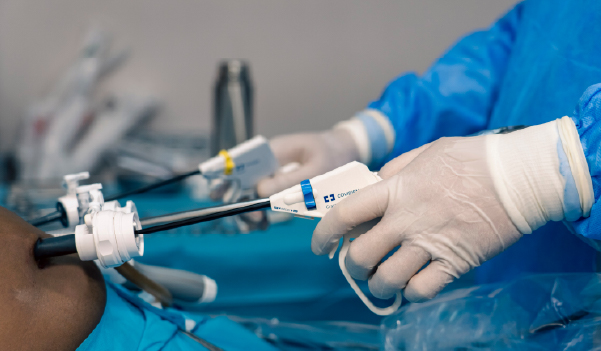
Several bariatric surgery options are available, and the choice of procedure depends on the patient’s BMI, health conditions, lifestyle, and surgical goals. All procedures at Pristyn Care are performed laparoscopically (minimally invasive) by experienced bariatric surgeons.
Best Bariatric Surgery Clinics
At Pristyn Care, we leverage advanced techniques like sleeve gastrectomy, adjustable gastric banding, gastric bypass, gastric balloon, etc. to promote weight loss with high success rates.
Our expert doctors have 10+ years of experience in performing gastric bypass surgery safely. The doctor compiles a personalized treatment plan for each patient.
Pristyn Care team and doctors will stay in touch with you to provide ample support and proper care after surgery. We provide Recovery Follow up consultations to all the patients to ensure they have a smooth recovery.
We accept all health insurance to cover the bariatric surgery cost. No-Cost EMI service is also available for all patients to divide the entire treatment cost into easy installments.
 Still havenât found the solution?
Proper preparation before bariatric surgery plays an important role in ensuring a safe procedure and smooth recovery. Your bariatric team will provide detailed instructions tailored to your medical condition and the type of surgery planned.
Long-term success after bariatric surgery depends on commitment to dietary guidelines, regular physical activity, and ongoing follow-up with the bariatric team. Patients can expect gradual and significant weight loss over 12 to 24 months following surgery.
Pristyn Care provides a comprehensive and patient-centred bariatric care program, offering support at every stage of the weight loss journey from initial consultation to long-term recovery.
Bariatric surgery is generally recommended for individuals with a BMI of 40 or above, or a BMI of 35 or above with serious obesity-related health conditions such as type 2 diabetes, hypertension, or obstructive sleep apnea, who have not achieved adequate weight loss through diet, exercise, and medication.
Laparoscopic Sleeve Gastrectomy (LSG) is currently the most commonly performed bariatric procedure worldwide due to its effectiveness, safety profile, and relatively shorter operative time compared to other procedures.
When performed by experienced bariatric surgeons in accredited facilities, bariatric surgery is generally considered safe. Laparoscopic techniques have significantly reduced surgical risks, and the long-term health benefits for eligible patients typically outweigh the potential risks when thorough pre-operative evaluation is conducted.
Most patients lose 50-70% of their excess body weight within 12-18 months after surgery. Weight loss outcomes vary depending on the procedure performed, pre-operative BMI, adherence to dietary guidelines, and physical activity levels.
Laparoscopic sleeve gastrectomy typically takes 60-90 minutes, while gastric bypass procedures may take 2-3 hours depending on the complexity. The duration varies based on the type of surgery and individual patient factors.
Most patients are discharged within 2-4 days after surgery. Light activities can usually be resumed within 1-2 weeks, and most patients return to work within 3-4 weeks, depending on the nature of their job and individual recovery progress.
Yes. Lifelong nutritional supplementation is required after bariatric surgery to prevent deficiencies. Commonly recommended supplements include vitamin B12, iron, calcium with vitamin D, and a high-quality multivitamin. Your bariatric dietitian will provide a personalized supplementation plan.
Yes, bariatric surgery is covered under many health insurance policies in India when it is deemed medically necessary. Coverage depends on the specific insurance plan, insurer’s criteria, and the patient’s BMI and health conditions. It is advisable to check with your insurance provider regarding coverage terms and pre-authorization requirements.
Bariatric surgery, particularly gastric bypass and sleeve gastrectomy, has been shown to result in remission or significant improvement of type 2 diabetes in a large proportion of patients. Metabolic improvements often occur before significant weight loss, making bariatric surgery an effective intervention for obese patients with poorly controlled diabetes.
Post-surgery dietary progression begins with clear liquids for the first few days, advancing to full liquids, pureed foods, soft foods, and eventually solid foods over 4-8 weeks. Long-term dietary guidelines include high-protein, low-sugar, low-fat meals in small portions, avoidance of carbonated beverages, and eating slowly and mindfully.
.svg)

Check out our app!


Social Media