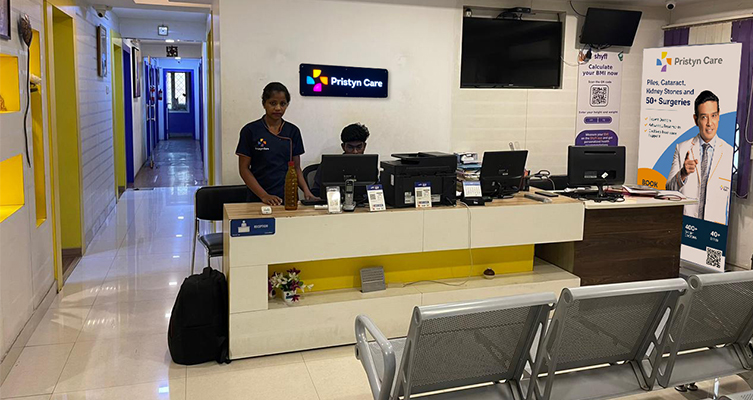
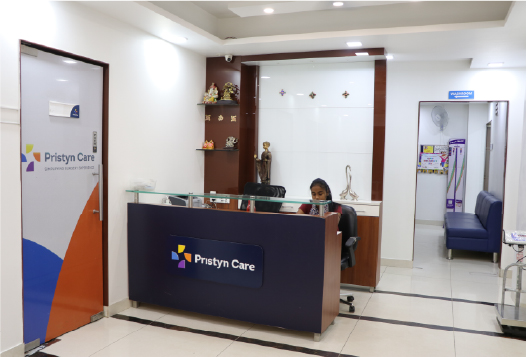
Chennai


Call Us
Book FREE Appointment
If you are considering a DJ stent removal, contact Pristyn Care to consult the best urologist in Delhi. Fill in the form or call us on the number mentioned on this page for DJ stent removal in Delhi.
... Read More



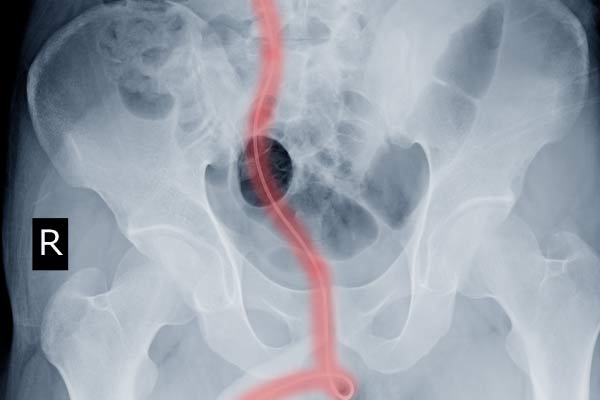
Before removing a DJ (double-J) stent, the urologist evaluates the patient to ensure it is safe to proceed. The diagnostic process may include:
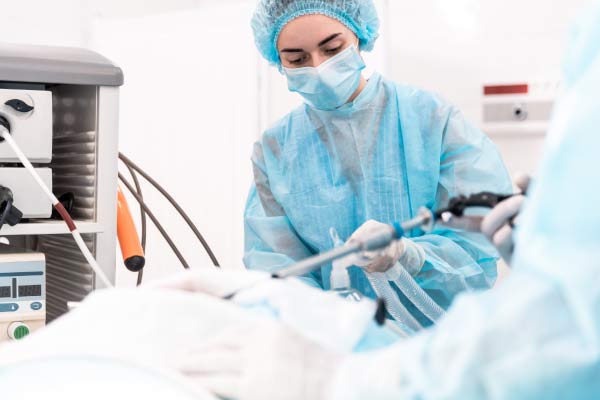
DJ stent removal is a simple and quick procedure usually performed by a urologist. The process typically includes:
Delivering Seamless Surgical Experience in India
Your safety is taken care of by thermal screening, social distancing, sanitized clinics and hospital rooms, sterilized surgical equipment and mandatory PPE kits during surgery.
A dedicated Care Coordinator assists you throughout the surgery journey from insurance paperwork, to free commute from home to hospital & back and admission-discharge process at the hospital.
Our surgeons spend a lot of time with you to diagnose your condition. You are assisted in all pre-surgery medical diagnostics. We offer advanced laser and laparoscopic surgical treatment. Our procedures are USFDA approved.
We offer free follow-up consultations and instructions including dietary tips as well as exercises to every patient to ensure they have a smooth recovery to their daily routines.
 Still haven’t found the solution?
 080-6510-5277Call us now
The removal of a DJ stent involves the following steps:
Overall, DJ stent removal is a simple and safe procedure with minimal discomfort when performed by experienced professionals.
Pristyn Care is a leading healthcare provider known for advanced and patient-centric care in DJ stent placement and removal. With modern medical technology and experienced urologists, the center ensures precision, safety, and effective outcomes for patients undergoing urological procedures.
DJ stent removal is generally safe, but some mild side effects may occur:
Before understanding the difference, it is important to know the purpose of each:
Removing a DJ stent may cause some discomfort or pressure sensation, but it’s typically brief and well-tolerated. The procedure is often performed under local anesthesia to minimize any potential discomfort for the patient.
DJ stent removal typically takes only a few minutes to complete. The procedure involves grasping and gently pulling out the stent through the urethra, and it is often performed swiftly and efficiently by expert urologists.
Yes, DJ stent removal is usually performed without local anesthesia. The effects of the anesthesia help minimize discomfort while allowing the patient to remain awake during the stent removal process.
Recovery after DJ stent removal is generally quick, with most individuals experiencing relief from any discomfort within 2-3 days. Patients can typically resume their normal activities shortly after the procedure, with minimal disruption to daily life.
Yes. Removal of DJ stent is performed on an outpatient basis and does not require a hospital stay.
.svg)

Check out our app!


Surgery
Social Media


© Copyright Pristyncare 2026. All Right Reserved.
Avail FREE Doctor Consultation

Consult with our expert surgeon for more than 50+ diseases

Once you share your details, our care coordinator will get in touch with you.

The coordinator will understand your symptoms and health condition in detail.

Your consultation will be scheduled at the earliest.
3M +
Happy Patients
150 +
Clinics
30 +
Cities

120Cr—Patient Savings Delivered
so patients focus on recovery, not bills.

Complete Transparency
No hidden charges or surprise bills

End-to-End Insurance Handling
Complete insurance processing support

Up to 20% Savings on Every Surgery
powered by smarter insurance handling

Easy EMI Options
Flexible payment plans available
120Cr—Patient Savings Delivered
so patients focus on recovery, not bills.
Complete Transparency
No hidden charges or surprise bills
Thanks for booking!
Our care coordinator will call you shortly.
Get much more with Pristyn Care App


Book Slot for Covid Precaution Dose


Access/Share your and family’s Vaccination Certificate anytime


Create your Ayushman Bharat health account

Book Your FREE Consultation
Consult with our expert surgeon for more than 50+ diseases
Once you share your details, our care coordinator will get in touch with you.
The coordinator will understand your symptoms and health condition in detail.
Your consultation will be scheduled at the earliest.
3M +
Happy Patients
150 +
Clinics
30 +
Cities