Chennai


Call Us
Book FREE Appointment
Are you looking for a trustworthy place to fix your earlobes in Chennai? Check out Pristyn Care. They specialise in advanced ear treatments, including earlobe repair, known as otoplasty. Pristyn Care has some of the best surgeons in Chennai who use the latest methods for safe and effective results. They focus on making sure you're comfortable and well-cared for. At Pristyn Care, you'll find modern facilities and a professional team ready to help you with your earlobe issues quickly and efficiently. Choose them for a smooth and hassle-free experience.
... Read More




4.5/5
24 Years Experience
 1st floor, No Z/281, 5th Ave, beside St Lukes church, Y Block, Anna Nagar, Chennai, Greater Chennai, Tamil Nadu 600040
4.5/5
22 Years Experience
RK Hospital, 18 Ramachandra Iyer St, Chromepet4.5/5
17 Years Experience
126, 1st Flr, JP Anupam Tower, D Block, Anna NagarAlso known as lobuloplasty, earlobe repair surgery is the procedure to repair a split earlobe. The auricular lobules are pierced in different societies and religions for cosmetic and religious reasons. Prolonged use of heavy piercings or injuries can lead to permanent deformity. The earlobe can even tear up in such cases.
So, whether your earlobe is cleft, injured, or has stretched excessively due to some reason, you can consider auricular lobuloplasty or earlobe repair surgery to correct the deformities. Give us a call, discuss your options with Pristyn Care's plastic surgeons, and make an informed decision.
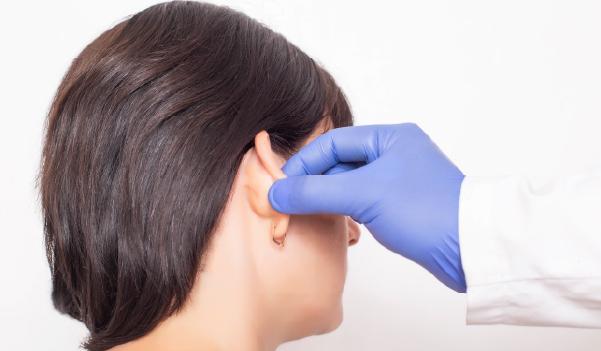
Earlobe repair surgery is a simple way to fix torn or stretched earlobes. Before the surgery, your doctor will conduct a few basic checks to confirm your health and readiness for the procedure.
If you are considering earlobe repair in Chennai, it is crucial to consult with top surgeons. Pristyn Care offers expert earlobe repair doctors who provide detailed guidance and care throughout the process.
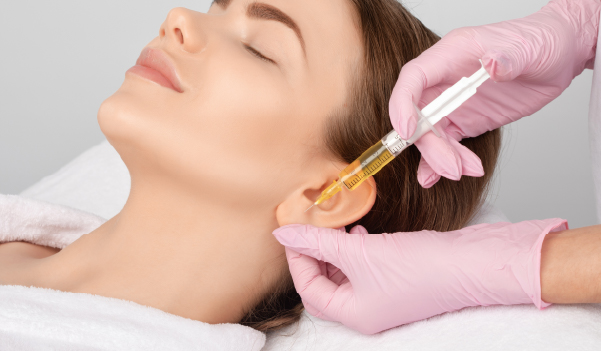
1. Otoplasty
2. Other Treatment Options
Non-Surgical Methods:
Post-Surgical Care:
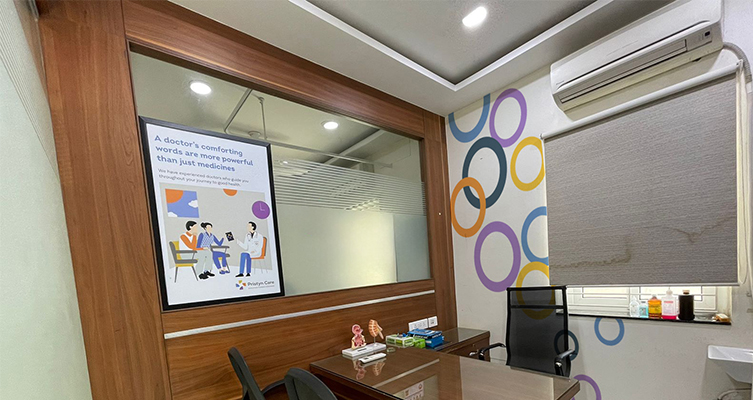
 Pristyn Care
 Chennai , Tamil Nadu
 4.6/5
4.6/5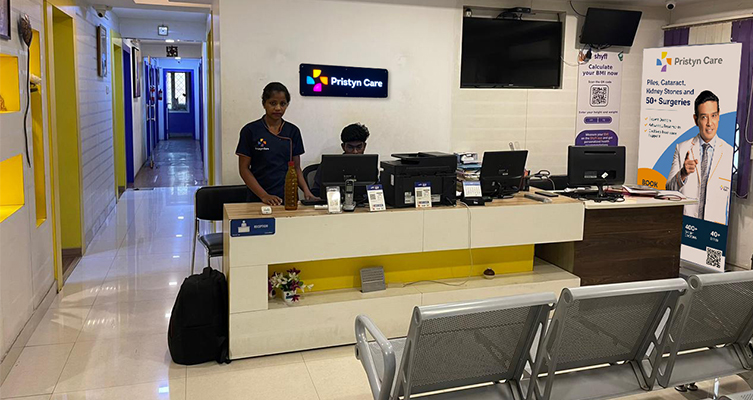 Pristyn CareChennai , Chennai4.5/5
 Pristyn CareChennai , Chennai4.6/5Pristyn CareTambaram , Chennai4.6/5Pristyn CareChennai , Chennai4.6/5
Delivering Seamless Surgical Experience in India
Your safety is taken care of by thermal screening, social distancing, sanitized clinics and hospital rooms, sterilized surgical equipment and mandatory PPE kits during surgery.
A dedicated Care Coordinator assists you throughout the surgery journey from insurance paperwork, to free commute from home to hospital & back and admission-discharge process at the hospital.
Our surgeons spend a lot of time with you to diagnose your condition. You are assisted in all pre-surgery medical diagnostics. We offer advanced laser and laparoscopic surgical treatment. Our procedures are USFDA approved.
We offer free follow-up consultations and instructions including dietary tips as well as exercises to every patient to ensure they have a smooth recovery to their daily routines.
 Still haven’t found the solution?
 080-6510-5277Call us now
Earlobe repair surgery may be considered by individuals in the following situations:
You can consult with our qualified professionals at Pristyn Care to determine if earlobe repair surgery is the right option for your specific needs.
Earlobe damage can occur for several reasons, including:
Before undergoing earlobe repair surgery, it is important to consider the following:
Here is the breakdown of the Earlobe Surgery Procedure:
Here is what you can expect after an earlobe repair surgery:
As with any surgery, there are potential risks associated with earlobe repair, including infection, scarring, and allergic reactions to stitches or anaesthesia. However, these risks are rare, especially when the procedure is performed by an experienced surgeon. Following aftercare instructions carefully helps minimise these risks.
Yes, some individuals choose to have earlobe repair surgery along with other cosmetic procedures such as facelifts, nose jobs, or eyelid surgery. If you’re considering multiple procedures, be sure to discuss them with your surgeon during your consultation to plan the most effective treatment.
Any surgery carries the potential for scarring, but skilled surgeons take great care to place incisions in the most discreet areas to minimise visibility. With proper healing and aftercare, the scars from earlobe repair are usually small and subtle.
Earlobe repair surgery can significantly enhance your appearance and restore the natural symmetry and shape of your earlobes. With proper care, the results can be long-lasting, giving you the confidence to wear earrings and enjoy your natural look once more.
| Sr.No. | Doctor Name | Registration Number | Ratings | Experience | Book Appointment |
|---|---|---|---|---|---|
| 1 | Dr. Sasikumar T | 99840 | 4.5 | 24 + Years | Book Appointment |
| 2 | Dr. Balasundaram Kutty Alalasundaram | 77922 | 4.5 | 22 + Years | Book Appointment |
| 3 | Dr. Murali K | 86118 | 4.5 | 17 + Years | Book Appointment |
Yes, a special earlobe repair glue that is available on the market can adjoin torn earlobes. However, this technique often leaves a scar that does not blend well with the earlobe and creates a shadow along the ridge.
Earlobe repair surgery can be performed on a child above 5 years, a teenager, or an adult, who is in good health and wishes to improve the appearance of the earlobe. The surgery won’t be recommended for someone with a severe earlobe deformity or someone prone to keloid scarring.
Earlobe repair is covered by health insurance when it is being performed for a traumatic deformity. If the deformity or tear was caused due to heavy ornaments or aging, the insurance company might deny the claim. If so, you will have to bear the treatment’s expense personally.
No, earlobe repair surgery is not painful as it is performed after administering anesthesia. However, you may experience some distress or discomfort after the anesthesia effects wear off.
.svg)

Check out our app!


Surgery
Social Media


© Copyright Pristyncare 2026. All Right Reserved.
Avail FREE Doctor Consultation

Consult with our expert surgeon for more than 50+ diseases

Once you share your details, our care coordinator will get in touch with you.

The coordinator will understand your symptoms and health condition in detail.

Your consultation will be scheduled at the earliest.
3M +
Happy Patients
150 +
Clinics
30 +
Cities

120Cr—Patient Savings Delivered
so patients focus on recovery, not bills.

Complete Transparency
No hidden charges or surprise bills

End-to-End Insurance Handling
Complete insurance processing support

Up to 20% Savings on Every Surgery
powered by smarter insurance handling

Easy EMI Options
Flexible payment plans available
120Cr—Patient Savings Delivered
so patients focus on recovery, not bills.
Complete Transparency
No hidden charges or surprise bills
Thanks for booking!
Our care coordinator will call you shortly.
Get much more with Pristyn Care App


Book Slot for Covid Precaution Dose


Access/Share your and family’s Vaccination Certificate anytime


Create your Ayushman Bharat health account

Book Your FREE Consultation
Consult with our expert surgeon for more than 50+ diseases
Once you share your details, our care coordinator will get in touch with you.
The coordinator will understand your symptoms and health condition in detail.
Your consultation will be scheduled at the earliest.
3M +
Happy Patients
150 +
Clinics
30 +
Cities