Chennai

Call Us
Book FREE Appointment
Deviated nasal septum can be the root cause of chronic sinus infections, sleep apnea, breathing issues, etc. Contact us for an advanced septoplasty procedure by some of the best ENT surgeons in Chennai.
... Read More



Septoplasty is a surgical procedure to straighten the nasal septum, which is abone and cartilage layer between the nostrils. The condition in which the septum is crooked is known as a deviated septum. A septoplasty is performed by trimming, repositioning, and replacing cartilage, bone, or both.
Correction of a crooked deviated septum helps make the airflow in the nose easier which helps to breathe and reduces the risk of sinus infections. It also helps the quality of voice and can eliminate snoring.
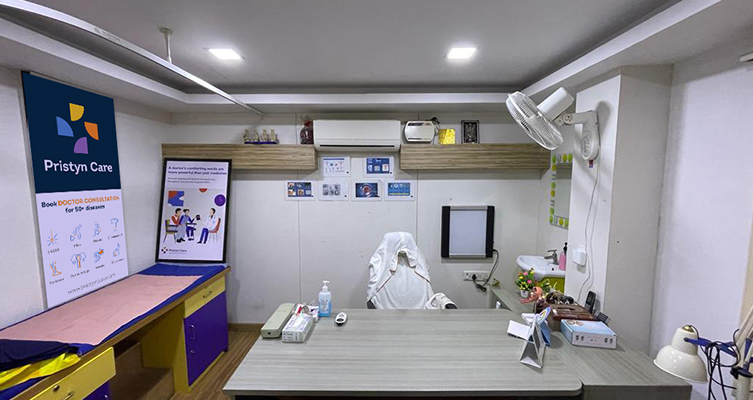
If you have a crooked nasal septum, you should consult an otolaryngologist/ENT specialist. At Pristyn Care, you can seek treatment with the best ENT specialists in Chennai for deviated septum surgery.
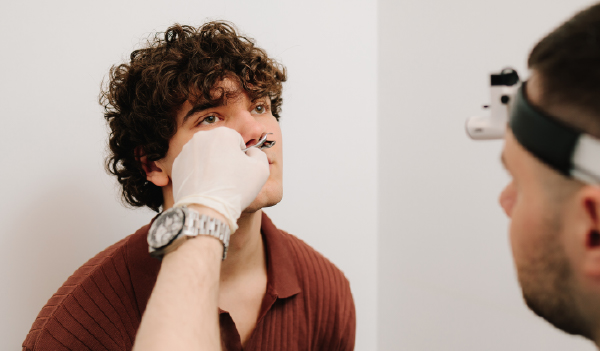
A deviated septum can be easily diagnosed by a physical examination. To check the shape and size of the nostrils, the doctor uses a bright light and speculum (to spread open the nostrils).
In addition to physical examination, imaging tests like X-rays are performed to see the internal structures of the nose. The doctor also uses a long tube-shaped scope with a bright light at the tip to check the back of the nose. This procedure is called an endoscopy.
Initial treatment for a deviated septum is aimed at managing the symptoms and making the patient’s life easier in the short term. This includes decongestants, antihistamines, and nasal steroid sprays, to keep the airways open and make breathing easier.
Medicines can only treat symptoms, they cannot correct a deviated septum. Once the symptoms are managed, surgery is necessary to eliminate the chances of recurrence of nasal infections.
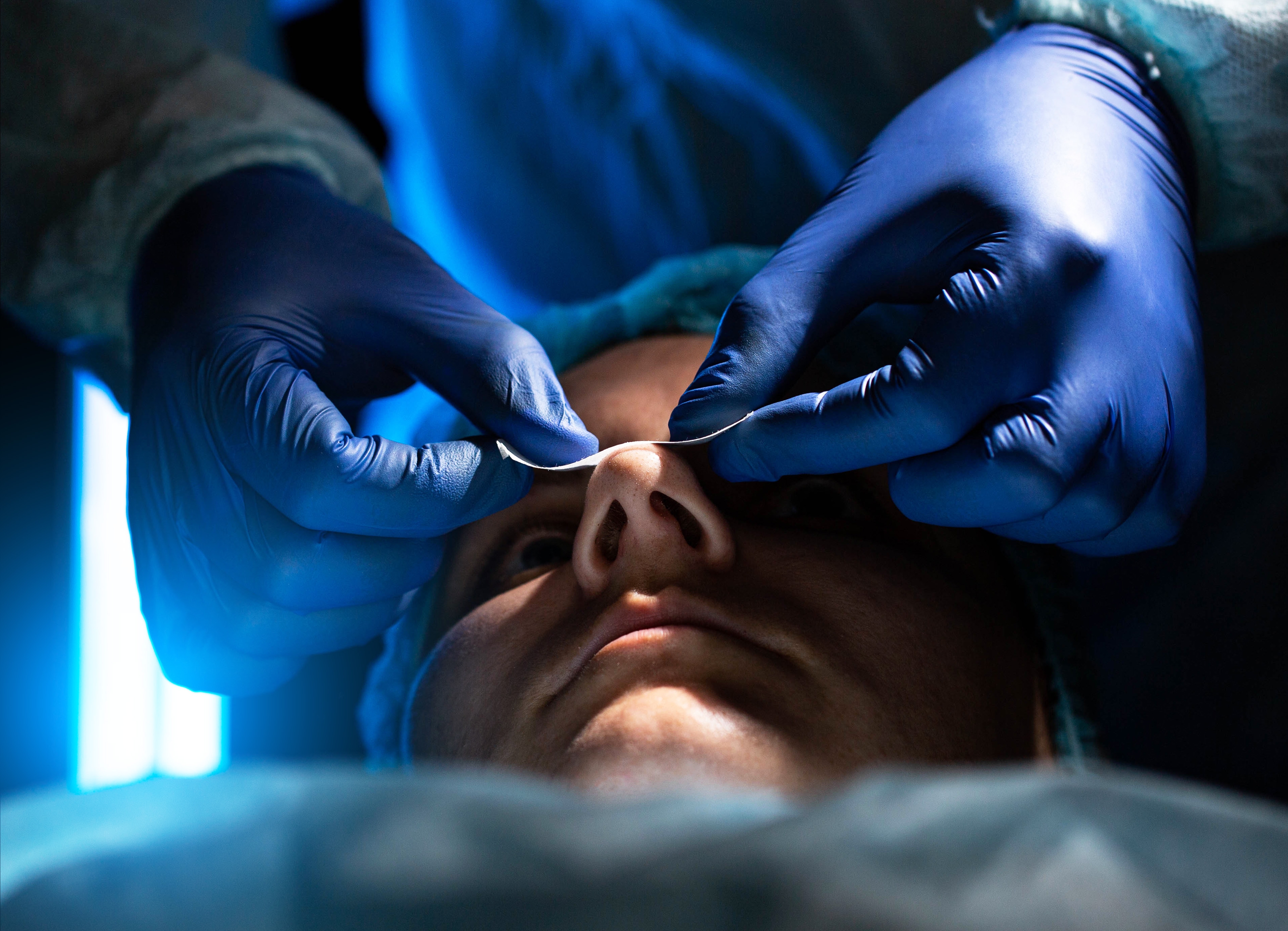
During a septoplasty, the nasal septum is straightened and repositioned at the center of the nose. The surgeon cuts and removes parts of the nasal septum before re-inserting them in their proper position.
Best ENT Clinics For Septoplasty
Pristyn Care ENT specialists provide advanced septoplasty surgery for better breathing in patients and help them get rid of snoring and sleep apnea.
At Pristyn Care, we have ENT surgeons with 8-10 years of experience in performing advanced septoplasty surgery with successful results.
Septoplasty surgery at Pristyn Care has a success rate of over 95%, thanks to our advanced treatment facilities, expert surgeons, and state-of-the-art treatment centers.
At Pristyn Care, you can avail pre and postoperative consultations along with diagnostic endoscopy for diagnostic confirmation and treatment planning. You will also receive follow-up checkups with your ENT surgeon after surgery.
 Still haven’t found the solution?
 080-6510-5277Call us now
Since septoplasty is performed through the nostrils, there are no facial scars or black eyes after the surgery. There is some pain and tenderness, along with blood and/or mucous drainage in the nose leading to the feeling of nasal stuffiness.
The swelling from the surgery usually dissipates within 2-3 days, while the drainage may last for 2-5 days. Usually, patients are prescribed over-the-counter medications, along with saline sprays or irrigation treatments for pain and nasal congestion.
However, if the nose is packed with tissues, it can cause a little trouble in breathing till the material is removed. So, the patient may have to breathe through their nose during this time which can lead to a dry mouth.
You can follow the given tips to improve your recovery after septoplasty:
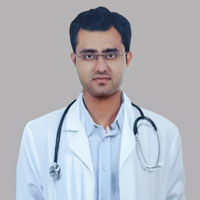
We have several experienced and highly rated doctors for Septoplasty in Chennai. Some of our top specialists include: Dr. Dinesh Kumar Amararam (16 Years Experience Overall), etc.
A severely deviated nasal septum can cause severe breathing problems. It also interferes with sinus drainage and causes recurrent sinus infections. Other health problems a deviated nasal septum can cause are:
Rhinoplasty is a surgical procedure that alters the outer shape of the nose to provide a better aesthetic appearance. On the other hand, a septoplasty is performed to correct the internal structural issues inside the nose and correct breathing problems.
A septoplasty helps extend the airway in the nose and makes breathing easier, which can relieve snoring. However, it is not a sure-fire way of curing snoring as snoring can be caused due to problems with different tissues such as the muscles in the throat, tongue, sidewalls and roof of the mouth, etc.
Septoplasty is an internal surgery and does not change the shape of the nose on its own. However, if you want better aesthetically pleasing results, you can combine it with a rhinoplasty. The procedure is called septorhinoplasty.
Septoplasty straightens the nasal septum and makes breathing easier. In some cases, it can improve the voice due to better airflow, however, in most cases, the patient’s voice remains unchanged.
If the cause of sleep apnea is nasal obstruction, then septoplasty can cure it for good. If the cause of sleep apnea is something else, septoplasty can make their treatments more effective by improving breathing and airflow through the nose.
Septoplasty can be performed as an outpatient procedure. At most, the patient can be released from the hospital within 24 hours of the surgery. The initial swelling after the surgery dissipates within 2-3 days, however, full recovery takes up to 3 months.
You can resume work, along with most of your daily activities 1 to 2 weeks after the surgery. However, if your work is physically taxing, then you should wait at least a month before resuming work.
Turbinate reduction surgery involves the straightening or repairing of nasal turbinates to improve airflow through the nose. It is often combined with septoplasty to provide the patient with better overall airflow.

.svg)

Check out our app!


Surgery
Social Media


© Copyright Pristyncare 2026. All Right Reserved.
Avail FREE Doctor Consultation

Consult with our expert surgeon for more than 50+ diseases

Once you share your details, our care coordinator will get in touch with you.

The coordinator will understand your symptoms and health condition in detail.

Your consultation will be scheduled at the earliest.
3M +
Happy Patients
150 +
Clinics
30 +
Cities

120Cr—Patient Savings Delivered
so patients focus on recovery, not bills.

Complete Transparency
No hidden charges or surprise bills

End-to-End Insurance Handling
Complete insurance processing support

Up to 20% Savings on Every Surgery
powered by smarter insurance handling

Easy EMI Options
Flexible payment plans available
120Cr—Patient Savings Delivered
so patients focus on recovery, not bills.
Complete Transparency
No hidden charges or surprise bills
Thanks for booking!
Our care coordinator will call you shortly.
Get much more with Pristyn Care App


Book Slot for Covid Precaution Dose


Access/Share your and family’s Vaccination Certificate anytime


Create your Ayushman Bharat health account


Book Your FREE Consultation
Consult with our expert surgeon for more than 50+ diseases
Once you share your details, our care coordinator will get in touch with you.
The coordinator will understand your symptoms and health condition in detail.
Your consultation will be scheduled at the earliest.
3M +
Happy Patients
150 +
Clinics
30 +
Cities
)