Chennai

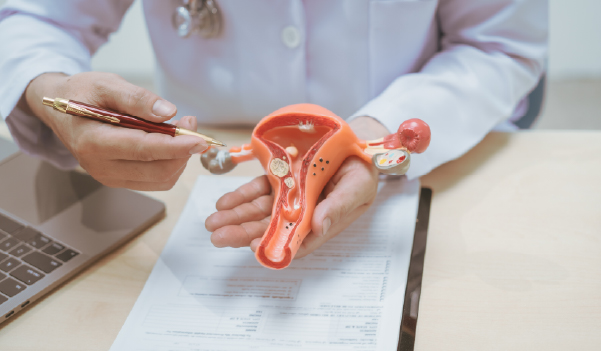
Chocolate cysts can cause severe period pain, bloating, and fertility issues, and diagnosing them early is important. Doctors usually begin with a pelvic or transvaginal ultrasound to detect the cyst and assess its size. Further tests may include:
The goal is to understand how the cyst affects pain, cycles, and fertility.
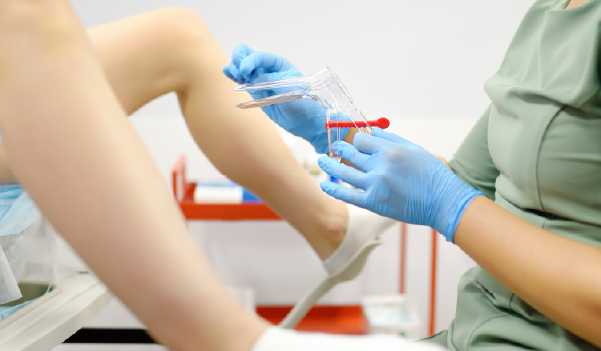
Treatment depends on symptoms, cyst size, and fertility plans. Common options include:

 Pristyn Care
 Chennai , Tamil Nadu
 4.6/5
4.6/5Delivering Seamless Surgical Experience in India
Your safety is taken care of by thermal screening, social distancing, sanitized clinics and hospital rooms, sterilized surgical equipment and mandatory PPE kits during surgery.
A dedicated Care Coordinator assists you throughout the surgery journey from insurance paperwork, to free commute from home to hospital & back and admission-discharge process at the hospital.
Our surgeons spend a lot of time with you to diagnose your condition. You are assisted in all pre-surgery medical diagnostics. We offer advanced laser and laparoscopic surgical treatment. Our procedures are USFDA approved.
We offer free follow-up consultations and instructions including dietary tips as well as exercises to every patient to ensure they have a smooth recovery to their daily routines.
 Still haven’t found the solution?
| Chocolate cyst size | Approx size of the cyst | How it may feel | What you must know |
| Very small | Less than 2cm | Mostly silent or occasional menstrual cramps | Mostly harmless, routine monitoring is enough |
| Small to medium sized | 2-4 cm | Mild pelvic pain and discomfort during periods | Medicines can help, doctor tracks any signs of growth or changes |
| Moderate sized | 4-6 cm | Pain before or during periods, problem in conceiving | Medication impacts fertility, you may consider surgery it recurs |
| Large sized | 6-8 cm | Persistent pain in the pelvis, pain during intercourse | Chances of rupturing or twisting increase, surgery is often necessary |
| Too much enlarged | More than 8 cm | Noticeable bloating, stinging pain and digestive problems | Often leads to severe complications, need immediate medical care |
Not every chocolate cyst causes pain immediately or in the initial stages, but that doesn’t mean it’s safe to neglect. These cysts keep growing silently, overstretch your ovaries, and are filled with thick, trapped menstrual blood. Over time, they exert pressure on the nearby organs, twist the ovary, or even burst, causing sharp pain, internal bleeding, or infection.
Along with the physical health risks, untreated chocolate cysts can also affect your daily life, interrupting sleep, intimacy, periods, and even your chances of conceiving. You may feel fatigue all the time, or anxious about the next flare-up.
Getting timely treatment for chocolate cyst keeps away complications and allows you to have better control over your reproductive health and your future. For safe and effective treatment from expert gynecologists in Chennai, contact Pristyn Care.
No, chocolate cysts don’t form normally in the body. This type of ovarian cyst is linked with endometriosis and causes pain, irregular periods, or infertility symptoms. Early diagnosis is important to avoid complications.
Surgery becomes necessary if the cyst is larger than 4–5 cm, is painful, or is growing larger. The decision also depends on your symptoms, age, and whether you’re planning a pregnancy.
Yes, it is possible to get pregnant with a chocolate cyst, especially if it’s small and is affecting only one ovary. However, larger cysts or those located on both ovaries can affect fertility by impairing ovulation and egg quality. It’s best to consult a gynecologist early if you’re trying to get pregnant.
The discharge from a chocolate cyst is usually thick, dark brown, and looks like old blood, thus the name “chocolate” cyst. This fluid is rarely seen outside the body unless the cyst ruptures or is drained during surgery.
.svg)

Check out our app!


Social Media