Delhi


USFDA-Approved Procedure

Patient Centric Approach

1-day Hospitalization

Cost Effective Treatment
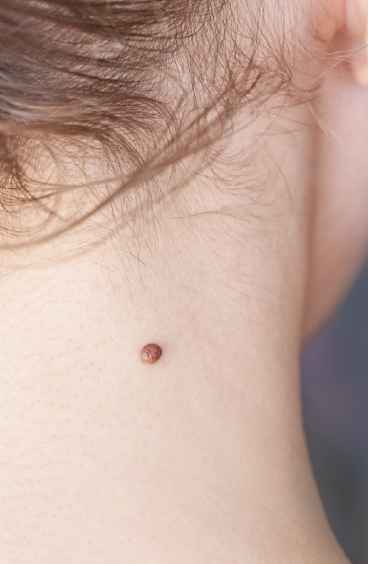
We at Pristyn Care Perform 3 types of treatment as follows:
Your doctor may initially prescribe topical medications that will help reduce the inflammation, exfoliate the thick skin, and lighten the affected area. Usually, the doctor suggests retinoids, such as tretinoin, along with exfoliating moisturisers, containing salicylic acid or ammonium lactate. Herein, the lightening agents, such as hydroquinone or glycolic acid, may also help. The doctor may also advise the application of sunscreen and moisturiser to protect the skin folds.
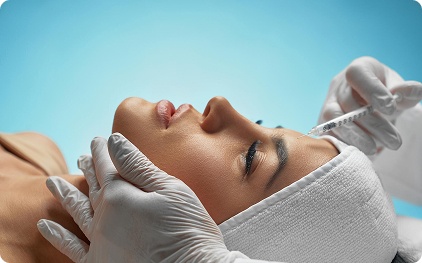
The dermatologist may suggest a combination of in-clinic and topical products for added lightening and exfoliation benefits. These work best on thicker and more severe lesions and offer quick results. Chemical peels use ingredients with good exfoliating properties, such as phenol, trichloroacetic acid, and glycolic acid. For optimum results, multiple sessions are done at a gap of a few weeks.
Laser treatment works best for stubborn dark patches that are not treatable through medications or chemical peels. It is a gentle treatment for facial acanthosis nigricans and helps in reducing the inflammation. Laser toning helps to break down the extra melanin, which leads to the lightening of the skin. It requires limited sessions, usually held at a few-week gap and minimal follow-up visits.
Your doctor may initially prescribe topical medications that will help reduce the inflammation, exfoliate the thick skin, and lighten the affected area. Usually, the doctor suggests retinoids, such as tretinoin, along with exfoliating moisturisers, containing salicylic acid or ammonium lactate. Herein, the lightening agents, such as hydroquinone or glycolic acid, may also help. The doctor may also advise the application of sunscreen and moisturiser to protect the skin folds.
The dermatologist may suggest a combination of in-clinic and topical products for added lightening and exfoliation benefits. These work best on thicker and more severe lesions and offer quick results. Chemical peels use ingredients with good exfoliating properties, such as phenol, trichloroacetic acid, and glycolic acid. For optimum results, multiple sessions are done at a gap of a few weeks.
Laser treatment works best for stubborn dark patches that are not treatable through medications or chemical peels. It is a gentle treatment for facial acanthosis nigricans and helps in reducing the inflammation. Laser toning helps to break down the extra melanin, which leads to the lightening of the skin. It requires limited sessions, usually held at a few-week gap and minimal follow-up visits.
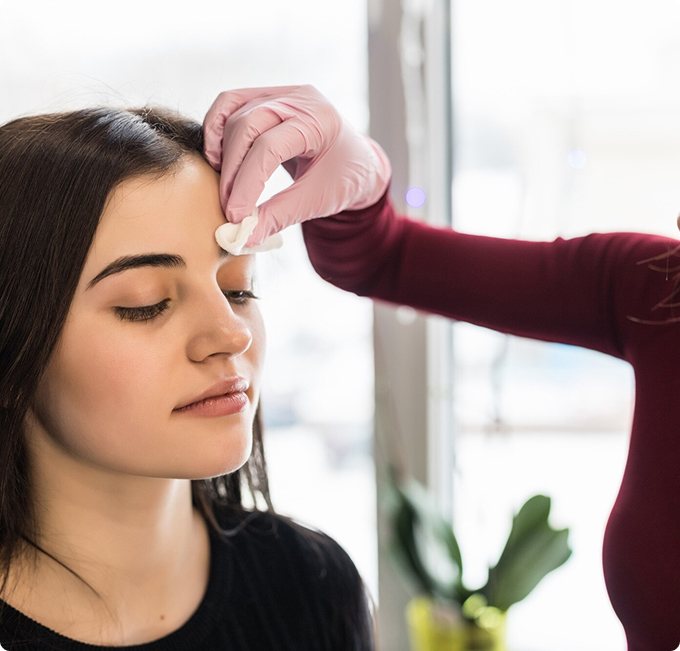
As we age, our face begins to show signs of time - wrinkles, sagging skin and volume loss. Many people turn in to refresh their appearance and feel more confident. We have divided the face into three key areas:





.png)

 Still haven’t found the solution?
The primary reason behind the dark and black neck is acanthosis nigricans, which is a condition associated with obesity, insulin resistance, and diabetes. Acanthosis nigricans leads to a thick velvety skin. Other reasons could be poor hygiene, sun exposure, and hormonal changes. Consult a dermatologist at Pristyn Care Delhi for a comprehensive diagnosis.
Although diagnosing and treating the underlying cause of black neck is essential, certain natural remedies, such as using an aloe vera gel, yogurt and oatmeal scrub, and baking soda, are good for exfoliation.
Addressing the underlying health conditions, such as obesity, hormonal imbalances, etc., is essential to remove acanthosis nigricans from the neck. For temporary relief, you may try home remedies, such as using fresh aloe vera gel, which will help to soothe and calm down the irritation. Consult a doctor in Delhi for a proper acanthosis nigricans neck procedure, like, chemical peel, laser toning, or topical medications
Pigmentation on neck can be caused due to several issues, such as acanthosis nigricans and other underlying health conditions. Certain natural remedies, such as using aloe vera, turmeric masks, along with chemical peels and laser therapy, can help in addressing the symptoms.
The affected areas may appear thicker and darker than the surrounding skin and may feel rough to touch.
The affected skin may get darker and develop raised patches with a velvety texture, giving it a distinctive appearance.
Some people affected with acanthosis nigricans may experience an unpleasant odour in the affected areas. It may affect the patient’s quality of life and can be discomforting.
It is the most common type and is often associated with insulin resistance and obesity. This type of acanthosis nigricans is more common in those who are overweight or have a high body mass index (BMI). It usually appears on the groin, armpits, neck, or other places where there are folds in the skin.
Unlike other forms of acanthosis nigricans, benign acanthosis nigricans is a hereditary form that appears in childhood. The condition usually does not have an underlying disorder and does not worsen after puberty.
Acanthosis nigricans may sometimes indicate an underlying cancer, especially gastrointestinal adenocarcinoma. It’s essential to speak with a healthcare professional to diagnose any possible underlying illnesses if you notice any sudden or rapid changes in your skin.
This is associated with weight gain or obesity, and commonly affects adults. Depending on the weight changes, the symptoms may increase or decrease.
It may indicate two different syndromes, syndrome A and syndrome B. Syndrome A may consist of hyperandrogenism, insulin resistance, and acanthosis nigricans. Syndrome B is prevalent in women with ovarian issues, autoimmune conditions, and uncontrolled diabetes.
It develops in dark-skinned individuals and commonly appears on the soles and back of the palms. It doesn’t indicate any underlying health issue.
It doesn’t indicate an underlying health issue and is a hereditary form of facial acanthosis nigricans. The symptoms are noticed on atypical sites, such as, face and abdomen, and particularly on one side of the body.
Certain medicines, such as oral steroids, oral contraceptive pills, or insulin, may cause hormonal irregularities, leading to the development of acanthosis nigricans symptoms.
Acanthosis is usually a symptom of an underlying medical condition. Let’s understand a few common causes of acanthosis nigricans.
It is important to consult a doctor if you notice any changes in your skin for an accurate and timely diagnosis. Below-mentioned are a few of the common diagnostic methods for acanthosis nigricans.
The doctor will examine your skin visually to diagnose the changes in your skin. Primarily, he will look for the signs of acanthosis nigricans, such as dark and velvety patches.
During a biopsy, a small sample of the affected skin area is taken and examined to determine the signs of acanthosis nigricans.
Blood tests are done to diagnose any underlying medical conditions, such as diabetes. These also help in diagnosing any hormonal imbalances or metabolic disorders that may contribute to the development of acanthosis nigricans.
.svg)

Check out our app!


Social Media










_11zon-ca864071060981e9.jpg)

-45a79c8765dfffc7.jpg)