Delhi


Call Us
Book Free Appointment
Skin allergies can be quite bothersome with their itchy rashes, redness, and discomfort. Various treatments are available in Delhi to help manage and treat these symptoms effectively. From medications to specific therapies like allergy laser treatment, there are solutions for all your needs.
... Read More





USFDA-Approved Procedure

Patient Centric Approach

1-day Hospitalization

Cost Effective Treatment

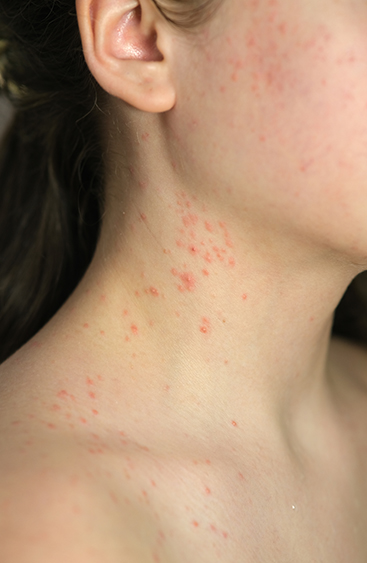
We at Pristyn Care Perform 6 types of treatment as follows:
These anti-inflammatory creams or ointments reduce redness, itching, and swelling in allergic skin reactions. They are available in mild, moderate, and strong formulations, prescribed based on the severity of symptoms. Usually applied directly to the affected area, they help control flare-ups and provide fast relief, but must be used as directed to avoid skin thinning or other side effects.

Medications like cetirizine, loratadine, or fexofenadine work by blocking histamine, a chemical responsible for allergic reactions. They help reduce itching, redness, and swelling throughout the body. Suitable for seasonal or contact allergies, these medicines are often taken once daily, and non-drowsy options are available for daytime use
Regular application of fragrance-free, hypoallergenic moisturizers helps restore the skin’s protective barrier, preventing dryness and flare-ups. Moisturizers with ceramides, glycerin, or hyaluronic acid are preferred. This treatment is essential for individuals with chronic allergies like eczema, as hydrated skin is less prone to irritation.
Applying a cold compress or using aloe vera gel helps reduce inflammation, cool down irritated skin, and provide instant comfort. This is particularly helpful during sudden flare-ups or after allergen exposure, and it can be combined with other medical treatments for better results.
Identifying and avoiding allergy triggers is a critical step in long-term management. This may involve changing skincare products, using air purifiers, wearing protective clothing, or adjusting diet. Over time, lifestyle adjustments can significantly reduce the frequency and intensity of allergic reactions.
For chronic or severe skin allergies, immunotherapy gradually trains the immune system to tolerate allergens. This treatment involves regular exposure to small doses of allergens through injections or sublingual drops, leading to reduced sensitivity and long-term relief from allergy symptoms.
These anti-inflammatory creams or ointments reduce redness, itching, and swelling in allergic skin reactions. They are available in mild, moderate, and strong formulations, prescribed based on the severity of symptoms. Usually applied directly to the affected area, they help control flare-ups and provide fast relief, but must be used as directed to avoid skin thinning or other side effects.
Medications like cetirizine, loratadine, or fexofenadine work by blocking histamine, a chemical responsible for allergic reactions. They help reduce itching, redness, and swelling throughout the body. Suitable for seasonal or contact allergies, these medicines are often taken once daily, and non-drowsy options are available for daytime use
Regular application of fragrance-free, hypoallergenic moisturizers helps restore the skin’s protective barrier, preventing dryness and flare-ups. Moisturizers with ceramides, glycerin, or hyaluronic acid are preferred. This treatment is essential for individuals with chronic allergies like eczema, as hydrated skin is less prone to irritation.
Applying a cold compress or using aloe vera gel helps reduce inflammation, cool down irritated skin, and provide instant comfort. This is particularly helpful during sudden flare-ups or after allergen exposure, and it can be combined with other medical treatments for better results.
Identifying and avoiding allergy triggers is a critical step in long-term management. This may involve changing skincare products, using air purifiers, wearing protective clothing, or adjusting diet. Over time, lifestyle adjustments can significantly reduce the frequency and intensity of allergic reactions.
For chronic or severe skin allergies, immunotherapy gradually trains the immune system to tolerate allergens. This treatment involves regular exposure to small doses of allergens through injections or sublingual drops, leading to reduced sensitivity and long-term relief from allergy symptoms.
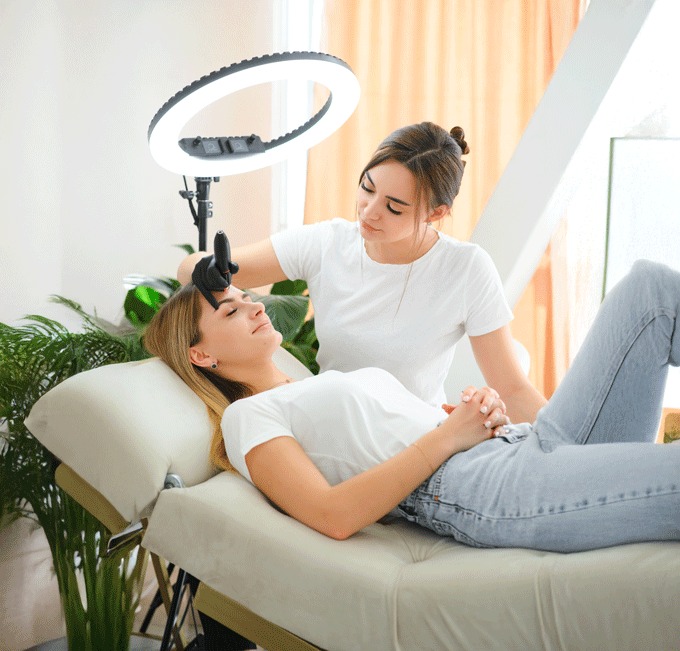
As we age, our face begins to show signs of time - wrinkles, sagging skin and volume loss. Many people turn in to refresh their appearance and feel more confident. We have divided the face into three key areas:





.png)

 Still haven’t found the solution?
 080-6541-4496Call us now
The best treatment depends on the allergy type and severity. Options include phototherapy, infection removal surgery, skin rash surgery, allergy laser treatment, and topical creams. Consulting with a dermatologist can help you choose the most effective treatment for your specific condition.
To prevent allergic reactions, avoid known allergens. Use hypoallergenic skincare products and keep your environment clean. Taking antihistamines as prescribed can also help manage and prevent symptoms. Speak to an allergist for personalised advice.
Coconut oil can soothe the skin by moisturising and reducing inflammation. It is especially helpful for dry and itchy skin. However, do a patch test first as some people may find coconut oil itself allergenic.
Fruits rich in Vitamin C, like oranges, strawberries, and kiwis, can boost your immune system and potentially reduce skin allergy symptoms. These fruits have anti-inflammatory properties, which can help calm skin reactions.
Permanently stopping skin allergies involves identifying and avoiding allergens, using appropriate skincare products, and possibly undergoing long-term treatments like immunotherapy. Consult with an allergist for a tailored approach to managing your allergies effectively.
Antihistamines can quickly relieve symptoms like itching and swelling. For immediate results, apply hydrocortisone cream directly to the affected area. Always check with a healthcare provider for the best fast-acting treatment for your allergy.
Antihistamines are generally the best tablets for treating skin allergies. They can reduce itching, redness, and swelling. Popular choices include cetirizine, loratadine, and diphenhydramine. Consult your doctor to find the one that works best for you.
The cost of skin allergy treatment in Delhi varies widely depending on the treatment type, clinic, and severity of the allergy. Generally, consultation fees start around 500 INR, with additional costs for medication or therapy.
Turmeric has anti-inflammatory properties that can reduce symptoms of skin allergies. Applying a paste made from turmeric powder and water to the affected area can help alleviate itching and redness. Always use with caution to avoid staining your skin or clothes.
Steam can help soothe the skin and open pores, which may aid in reducing irritation and itching associated with allergies. However, be cautious with the temperature to avoid burns. Steam is best used as a supplementary treatment rather than a primary solution.


| Feature | Skin Allergies | Eczema |
| Cause | Allergen-triggered reaction | Immune overreaction & skin barrier issues |
| Onset | Sudden after allergen contact | Chronic, recurring flare-ups |
| Symptoms | Itchy rash, swelling, redness | Dry patches, intense itching |
| Duration | Usually short-term | Long-term condition |
| Main Treatment | Allergen avoidance, antihistamines | Moisturizers, steroid creams |
In Delhi, eligibility for skin allergies treatment depends on several factors that ensure patients receive the most effective care. Here’s a breakdown of the criteria:
In Delhi, the treatment of skin allergies is precise and methodical so that each patient receives the appropriate care for their specific type of allergy. Here’s an overview of how various treatments are performed:
Contact Dermatitis: Phototherapy
Irritant Contact Dermatitis: Barrier Creams and Moisturisers
Atopic Dermatitis: Allergy Laser Treatment
Psoriasis: Biologic Therapy
Fungal Infections: Infection Removal Surgery
Urticaria (Hives): Oral Antihistamines
Insect Bites: Desensitization Therapy
Before starting treatment, it’s important to prepare properly:
After receiving treatment, taking care of your skin is crucial. Here’s what you need to do:
As a leading provider of skin allergy treatments, Pristyn Care offers several reasons why our approach stands out:
Choose Pristyn Care for a trusted partner in your journey to allergy-free skin. Contact us today for a consultation and start your path to recovery.
Note: Before starting any treatment or using medications, ensure a proper allergy diagnosis. Consult with our dermatologists at Pristyn Care for safe and specialised care.
.svg)

Check out our app!


Surgery
Social Media


© Copyright Pristyncare 2026. All Right Reserved.
Book Your FREE Consultation Now

Consult with our expert surgeon for more than 50+ diseases

Once you share your details, our care coordinator will get in touch with you.

The coordinator will understand your symptoms and health condition in detail.

Your consultation will be scheduled at the earliest.
3M +
Happy Patients
150 +
Clinics
30 +
Cities
Thanks for booking!
Our care coordinator will call you shortly.
Get much more with Pristyn Care App


Book Slot for Covid Precaution Dose


Access/Share your and family’s Vaccination Certificate anytime


Create your Ayushman Bharat health account

Book Your FREE Consultation
Consult with our expert surgeon for more than 50+ diseases
Once you share your details, our care coordinator will get in touch with you.
The coordinator will understand your symptoms and health condition in detail.
Your consultation will be scheduled at the earliest.
3M +
Happy Patients
150 +
Clinics
30 +
Cities


.jpg/1711807794014_ban-Icon.png)






_11zon-ca864071060981e9.jpg)