Delhi


Call Us
Book Free Appointment
Skin grafting surgery is an important procedure for healing and reconstructing damaged skin, especially in cases of burns and wounds. This procedure involves transferring healthy skin to areas affected by burns, scars, or wounds.
... Read More





USFDA-Approved Procedure

Patient Centric Approach

1-day Hospitalization

Cost Effective Treatment

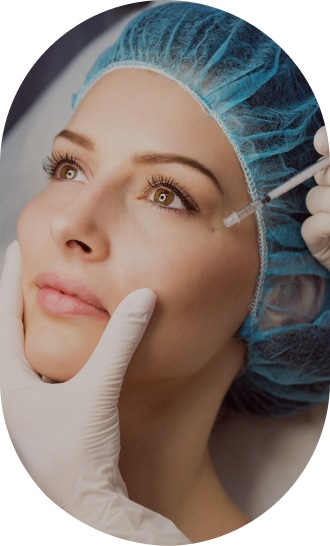
We at Pristyn Care Perform 4 types of treatment as follows:
Involves removing the top two layers of skin (epidermis and part of dermis) from a donor site and transplanting it to the wound area. It is widely used for burn injuries, ulcers, and large wounds due to its ability to cover bigger areas. Healing at the donor site is relatively quick, and the graft integrates well with the recipient area.
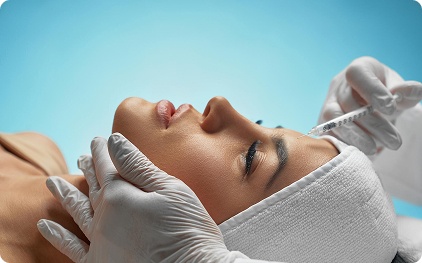
Takes both epidermis and entire dermis from the donor site, offering better color and texture match. It is used for smaller, visible areas such as the face, hands, and neck. The donor site requires suturing and heals slower than STSG, but the cosmetic result is superior.
The donor skin is perforated to create a mesh pattern, allowing it to cover larger wound areas. This technique improves fluid drainage and promotes faster integration, making it ideal for burn victims. However, the mesh pattern may remain visible after healing.
Uses skin combined with other tissues such as cartilage or fat for reconstructive purposes. This is typically done for complex injuries or when structure and support are needed, such as nasal reconstruction. Composite grafts are more specialized and require precise surgical expertise.
Involves removing the top two layers of skin (epidermis and part of dermis) from a donor site and transplanting it to the wound area. It is widely used for burn injuries, ulcers, and large wounds due to its ability to cover bigger areas. Healing at the donor site is relatively quick, and the graft integrates well with the recipient area.
Takes both epidermis and entire dermis from the donor site, offering better color and texture match. It is used for smaller, visible areas such as the face, hands, and neck. The donor site requires suturing and heals slower than STSG, but the cosmetic result is superior.
The donor skin is perforated to create a mesh pattern, allowing it to cover larger wound areas. This technique improves fluid drainage and promotes faster integration, making it ideal for burn victims. However, the mesh pattern may remain visible after healing.
Uses skin combined with other tissues such as cartilage or fat for reconstructive purposes. This is typically done for complex injuries or when structure and support are needed, such as nasal reconstruction. Composite grafts are more specialized and require precise surgical expertise.
4.5/5
36 Years Experience
 A1/26, adjacent to Green Fields Public School, Safdarjung Enclave, New Delhi, Delhi 110029
4.5/5
19 Years Experience
68, Pocket 9, Sector 23, Rohini, New Delhi5.0/5
17 Years Experience
NH-01, Amrapali Platinum, Sector 119, Noida, Uttar Pradesh 2013054.5/5
16 Years Experience
Pristyn Care Diyos, Safdarjung Enclave, New DelhiAs we age, our face begins to show signs of time - wrinkles, sagging skin and volume loss. Many people turn in to refresh their appearance and feel more confident. We have divided the face into three key areas:





.png)

 Still haven’t found the solution?
 080-6541-4496Call us now
Skin grafting surgery is when doctors take healthy skin from one part of the body and use it to cover an area where skin is missing or damaged. This procedure is often considered for wounds, burn scar grafting, or after certain surgeries.
The time needed for skin grafting surgery depends on the size of the graft and the severity of the injury. It can last from a few hours to several hours.
Your hospital stay could range from a few days to two weeks, based on the complexity of the surgery and your recovery after the procedure. However, most people go home the same day.
At times, skin grafts may not heal completely or might not “take” to the surrounding skin. If that happens, another graft could be necessary.
The new skin might feel different as it may not have oil or sweat glands, causing dryness. It might also not grow hair and could feel different from other areas.
Skin for grafting is usually taken from body areas like the thighs, buttocks, or behind the collarbone and ears. These areas are chosen because they are less noticeable once healed
During the surgery, anaesthesia is given so that you don’t feel any pain. Afterwards, some pain and discomfort might be there; however, medications can help manage these symptoms.
After leaving the hospital, keep the area dry and use sterile dressings. Follow any physiotherapy programme if your doctor suggests it. Apply lotion to keep the new skin moist and avoid heavy activities.
Recovery can vary widely. It might take weeks for some and months for others. the recovery time depends on your health, the size of the graft, and where it was done.
In Delhi, the cost of skin grafting surgery ranges from INR 20,000 to INR 34,000. The price differs based on factors such as the surgeon’s experience, hospital facilities, and the size of the area needing grafting.

.jpg/1752216854459_ban-Icon.png)
Determining if you can undergo skin grafting surgery involves looking at various factors. Doctors will check your medical history and the condition of the wound. This helps ensure that the procedure will be safe and effective. Here are some key points:
Initial Examinations
Before deciding on a skin graft, doctors do several checks:
Skin grafting surgery is a detailed process aimed at healing wounds effectively. Here’s what you can expect during the procedure:
After your wound reconstruction surgery, taking care of yourself is important for proper healing. Here’s what to expect and some tips for recovery:
.svg)

Check out our app!


Surgery
Social Media


© Copyright Pristyncare 2026. All Right Reserved.
Book Your FREE Consultation Now

Consult with our expert surgeon for more than 50+ diseases

Once you share your details, our care coordinator will get in touch with you.

The coordinator will understand your symptoms and health condition in detail.

Your consultation will be scheduled at the earliest.
3M +
Happy Patients
150 +
Clinics
30 +
Cities
Thanks for booking!
Our care coordinator will call you shortly.
Get much more with Pristyn Care App


Book Slot for Covid Precaution Dose


Access/Share your and family’s Vaccination Certificate anytime


Create your Ayushman Bharat health account
Book Your FREE Consultation
Consult with our expert surgeon for more than 50+ diseases
Once you share your details, our care coordinator will get in touch with you.
The coordinator will understand your symptoms and health condition in detail.
Your consultation will be scheduled at the earliest.
3M +
Happy Patients
150 +
Clinics
30 +
Cities




_11zon-ca864071060981e9.jpg)