Delhi


USFDA-Approved Procedure

Patient Centric Approach

1-day Hospitalization

Cost Effective Treatment

We at Pristyn Care Perform 5 types of Eczema treatment as follows:
Topical ointments are the first go-to s to cure eczema flare-ups. Dermatologists recommend steroid-based ointments to heal red, itchy and swollen skin. These creams repair the skin barrier and calm inflammation. Based on the severity of eczema, your doctor prescribes mild or stronger formulations to use.
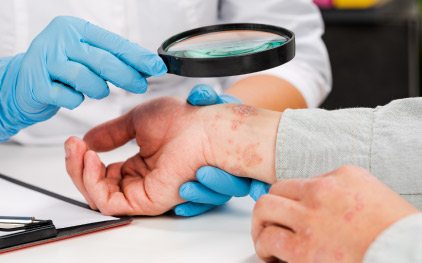
Phosphodiesterase 4 (PDE4) inhibitors like a crisaborole is a non-steroidal method to treat mild to moderate eczema. They reduce inflammation and itching and work on a specific enzyme in immune cells. These creams are gentle enough for daily use and are a newer alternative when its better to avoid steroids.
Systemic therapies work for chronic or severe eczema that doesn’t improve with topical ointments. These include oral corticosteroids, immunosuppressants like cyclosporine, biologics like dupilumab, and oral JAK inhibitors. These work throughout the body, and doctors prescribe them under close monitoring for long-term control.
TCIs like tacrolimus and pimecrolimus suppress immune responses in the skin. They’re effective for thinner or sensitive areas such as around the eyes, neck, or folds. Topical calcineurin inhibitors give long-term control without making the skin thinner.
Janus kinase (JAK) inhibitors like ruxolitinib provide relief as they interrupt the inflammatory eczema signals. These are fast-acting creams suitable for both short and long-term symptom control, especially when other topical treatments haven’t been effective. They’re approved for certain age groups and eczema types.
Topical ointments are the first go-to s to cure eczema flare-ups. Dermatologists recommend steroid-based ointments to heal red, itchy and swollen skin. These creams repair the skin barrier and calm inflammation. Based on the severity of eczema, your doctor prescribes mild or stronger formulations to use.
Phosphodiesterase 4 (PDE4) inhibitors like a crisaborole is a non-steroidal method to treat mild to moderate eczema. They reduce inflammation and itching and work on a specific enzyme in immune cells. These creams are gentle enough for daily use and are a newer alternative when its better to avoid steroids.
Systemic therapies work for chronic or severe eczema that doesn’t improve with topical ointments. These include oral corticosteroids, immunosuppressants like cyclosporine, biologics like dupilumab, and oral JAK inhibitors. These work throughout the body, and doctors prescribe them under close monitoring for long-term control.
TCIs like tacrolimus and pimecrolimus suppress immune responses in the skin. They’re effective for thinner or sensitive areas such as around the eyes, neck, or folds. Topical calcineurin inhibitors give long-term control without making the skin thinner.
Janus kinase (JAK) inhibitors like ruxolitinib provide relief as they interrupt the inflammatory eczema signals. These are fast-acting creams suitable for both short and long-term symptom control, especially when other topical treatments haven’t been effective. They’re approved for certain age groups and eczema types.
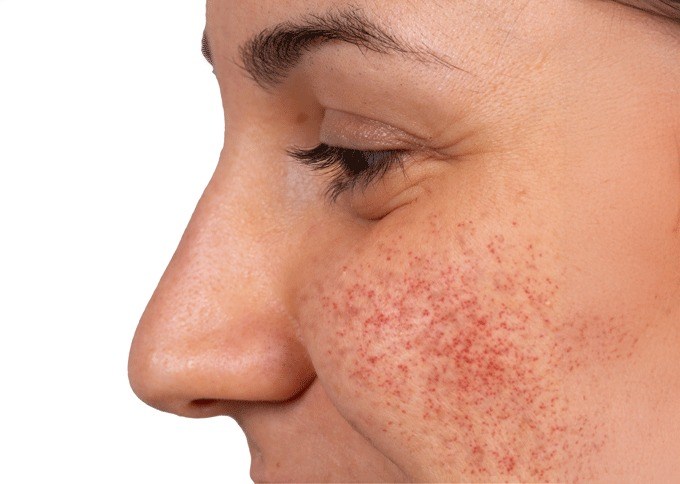
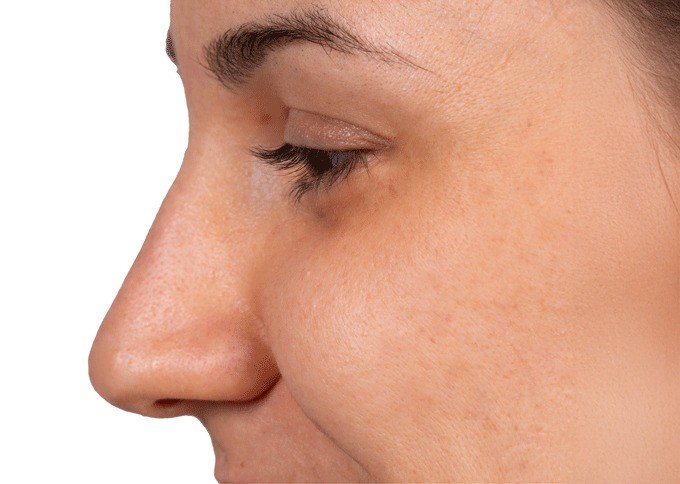
See the remarkable transformations for yourself | Our 'Before & After' Slider highlights the impact of Eczema treatment.


As we age, our face begins to show signs of time - wrinkles, sagging skin and volume loss. Many people turn in to refresh their appearance and feel more confident. We have divided the face into three key areas:





.png)

 Still haven’t found the solution?
No, you cannot catch eczema from someone else. It is caused by a combination of genetic and environmental factors.
Eczema flare-ups can happen due to various reasons such as external irritants, environmental factors, certain fabrics, hormonal changes, or food allergies.
It’s important to moisturise your skin two to three times a day, especially after taking a bath, to keep it well-hydrated.
To manage eczema better, try avoiding known triggers, use gentle skincare products, and find ways to reduce stress in your daily life.
It’s best to steer clear of skincare products that contain dyes, fragrances, or irritants such as lanolin.
The usual treatments include using topical corticosteroids, moisturisers, antihistamines, and sometimes phototherapy to control the symptoms.
Yes, phototherapy can be a helpful treatment option for managing the symptoms of eczema.


Eczema treatment mainly focuses on managing symptoms without surgery. Here’s what you can expect from the process:
Preparation is key to ensuring that eczema treatment is effective and safe:
After undergoing eczema treatment, certain care steps can help maintain results and prevent flare-ups:
.svg)

Check out our app!


Social Media









.jpg/1711807794014_ban-Icon.png)






_11zon-ca864071060981e9.jpg)