Delhi


USFDA-Approved Procedure

Patient Centric Approach

1-day Hospitalization

Cost Effective Treatment
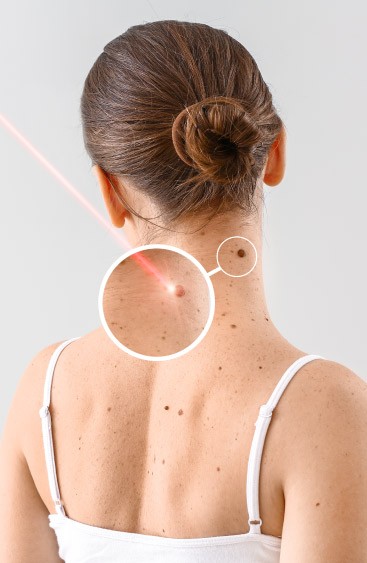
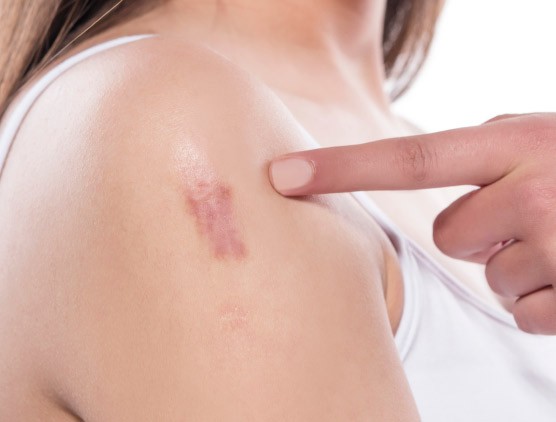
We at Pristyn Care Perform 5 types of Keloid Scar treatment in Delhi as follows:
Excision surgery is a straightforward method to remove keloid scars. Performed under local anesthesia, the doctor carefully cuts out the keloid tissue. After removal, the wound is stitched up to allow it to heal properly. The key advantage of this procedure is its ability to completely remove the unsightly scar tissue, providing immediate relief from any discomfort caused by the keloid.
Excision with Z-plasty is a refined version of excision surgery. After removing the keloid scar, the doctor uses a special technique called Z-plasty to close the wound. This method changes the direction of the scar and reduces tension on the healing tissue, which can help lower the risk of keloids forming again.
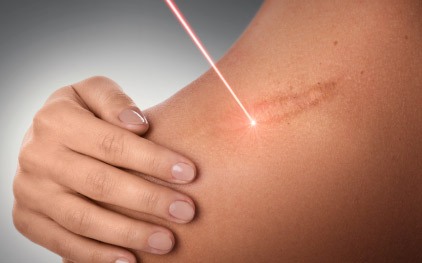
Laser surgery employs advanced laser technology to treat keloid scars. Lasers like RecoSMA, long-pulsed Nd YAG, and fractional CO2 penetrate deep into the skin to destroy scar tissue while boosting new, healthy tissue growth. This technique usually requires several sessions but has minimal recovery time and offers a non-invasive way to improve skin texture and reduce scar visibility.
Steroid injections are an effective option for reducing the size and appearance of keloids. These injections contain corticosteroids like triamcinolone, which help in flattening and softening the scar tissue. They can be used alone or after surgical removal of the keloid to enhance results. Repeated sessions may be necessary for optimal outcomes but offer a non-surgical means to manage keloids effectively.
Dermal grafting involves removing the keloid scar and replacing it with healthy skin from another part of your body. This treatment is often reserved for larger or recurring keloids and aims to restore a more natural appearance.
Excision surgery is a straightforward method to remove keloid scars. Performed under local anesthesia, the doctor carefully cuts out the keloid tissue. After removal, the wound is stitched up to allow it to heal properly. The key advantage of this procedure is its ability to completely remove the unsightly scar tissue, providing immediate relief from any discomfort caused by the keloid.
Excision with Z-plasty is a refined version of excision surgery. After removing the keloid scar, the doctor uses a special technique called Z-plasty to close the wound. This method changes the direction of the scar and reduces tension on the healing tissue, which can help lower the risk of keloids forming again.
Laser surgery employs advanced laser technology to treat keloid scars. Lasers like RecoSMA, long-pulsed Nd YAG, and fractional CO2 penetrate deep into the skin to destroy scar tissue while boosting new, healthy tissue growth. This technique usually requires several sessions but has minimal recovery time and offers a non-invasive way to improve skin texture and reduce scar visibility.
Steroid injections are an effective option for reducing the size and appearance of keloids. These injections contain corticosteroids like triamcinolone, which help in flattening and softening the scar tissue. They can be used alone or after surgical removal of the keloid to enhance results. Repeated sessions may be necessary for optimal outcomes but offer a non-surgical means to manage keloids effectively.
Dermal grafting involves removing the keloid scar and replacing it with healthy skin from another part of your body. This treatment is often reserved for larger or recurring keloids and aims to restore a more natural appearance.
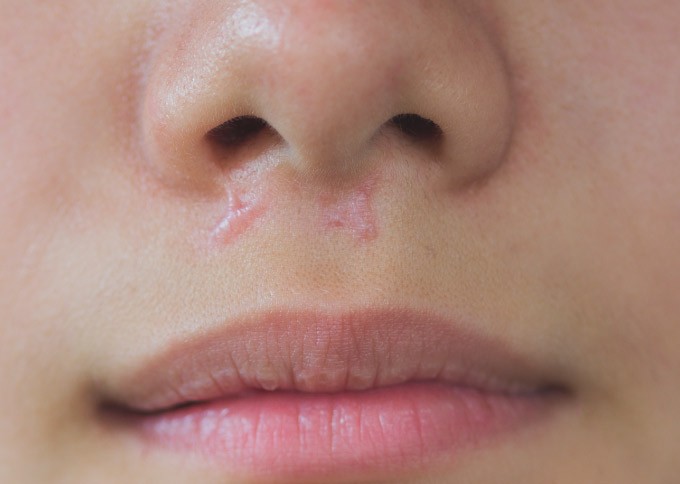
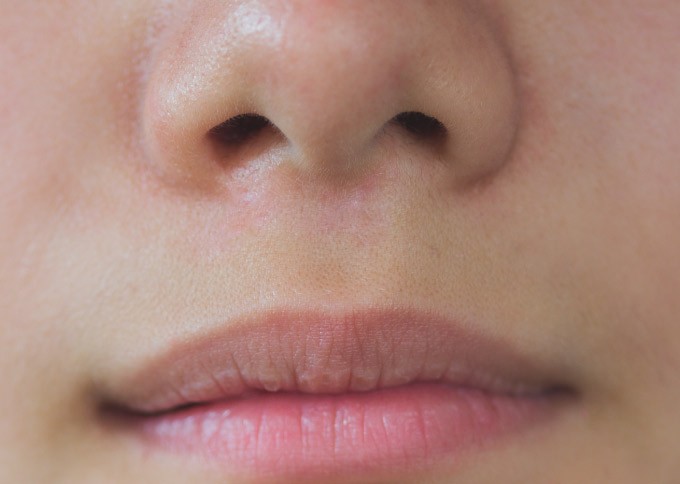
See the remarkable transformations for yourself | Our 'Before & After' Slider highlights the impact of Keloid scar treatment..

As we age, our face begins to show signs of time - scars, wrinkles, sagging skin and volume loss. Manu people turn to keloid treatment to refresh their appearance and feel more confident. We have divided the face into three key areas:





.png)

 Still haven’t found the solution?
Keloid scars can be treated in several ways. Surgical removal involves cutting out the scar under local anaesthesia. Laser therapy uses light to reduce the keloid’s size. Cryotherapy freezes the scar with liquid nitrogen. Steroid injections help shrink it, and compression dressings apply pressure to the area.
Recovery times differ based on the treatment. Surgical removal may cause swelling and redness, needing follow-up visits. Laser therapy requires mild care for a week. Cryotherapy might lead to blistering and mild pain, while steroid injections could require ongoing sessions over several months.
Different treatments have different side effects. Steroid injections may thin the skin or cause colour changes. Cryotherapy can lead to pain and blistering. Laser therapy might cause skin colour changes or crusting, especially in darker skin tones. Radiation therapy carries risks of skin complications.
Keloid scar removal costs can vary widely in India. Prices start from around Rs. 25,000 per session. Depending on the procedure and location, costs can go up to Rs. 35,000 or more per session.
The specialists involved in keloid treatments include dermatologists, plastic surgeons, and cosmetic surgeons with expertise in these procedures. They have the necessary skills and experience to handle complex cases of keloid scar plastic surgery effectively.
Treating keloids offers several benefits like improving appearance by reducing their size and prominence. Procedures can also relieve itchiness and pain associated with keloids, enhancing both physical comfort and psychological well-being by boosting self-esteem.
Yes, keloids can sometimes return after treatment, potentially larger than before. New keloids might also develop even after successful removal or flattening of existing ones; hence, ongoing care and multiple treatments could be necessary.
Laser therapy is generally effective for flattening larger keloids, reducing their itchiness, and lightening them over time. Usually, multiple sessions spaced out over weeks are needed to achieve the best results in keloid plastic surgery.
After treatment, it’s important to avoid sun exposure, keep the treated area clean and dry, and follow all instructions given by your doctor for wound care and attend follow-up appointments as scheduled to ensure proper healing.
Keloid scars are not harmful and don’t signal any underlying health issues but they can cause discomfort like itching or pain. They may also affect one’s self-esteem due to their appearance, particularly among younger people dealing with these scars after surgery.


Keloid scar plastic surgery is often necessary for several reasons:
Apart from surgical methods, there are additional treatments that can help manage keloid scars:
These options provide a range of solutions to suit different needs and preferences in managing keloid scars effectively.
Post-surgery care is crucial for a smooth recovery. After your keloid surgery:
.svg)

Check out our app!


Social Media









.jpg/1711807794014_ban-Icon.png)




_11zon-ca864071060981e9.jpg)