Delhi


USFDA-Approved Procedure

Patient Centric Approach

1-day Hospitalizationa

Cost Effective Treatment
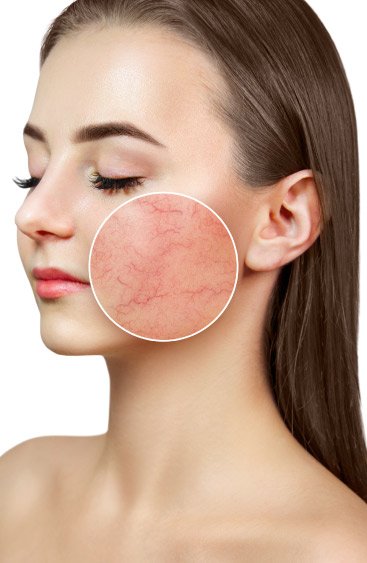
We at Pristyn Care Perform 4 types of Rosacea treatment in Delhi as follows:
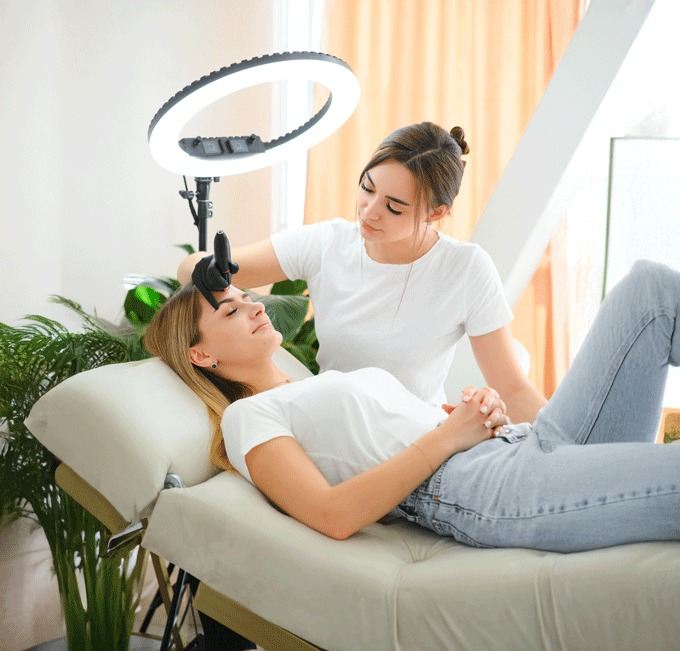
This is a low-intensity laser treatment that minimizes redness, flushing, and visible vessels. It’s suitable for sensitive skin and is effective for early-stage rosacea. Sessions are short, and you only need to follow a few minor precautions. It’s ideal if you want visible results without irritating your skin further.
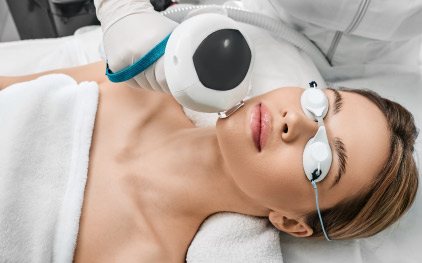
These therapies for rosacea include IPL (Intense Pulsed Light) and vascular laser that work on redness and broken capillaries. These are best-suited for people dealing with background redness or thickened skin. Optimum results show up gradually following a few sessions. Usually, you can get back to your day right after the treatment.
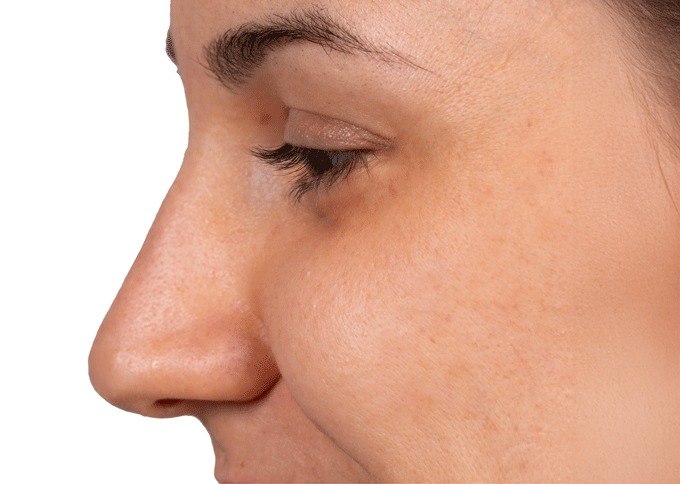
Surgery is needed only in rare cases but helps if rosacea makes the skin very thick, especially around the nose (rhinophyma). Doctors use CO2 laser or electrosurgery to reshape and smooth out the affected area. It’s an advanced option that offers long-term correction in severe cases.
Doctor prescribed topical creams, oral antibiotics, or anti-inflammatories also help in managing flare-ups. Meanwhile, your doctor will help in identifying personal triggers like heat, alcohol, or certain foods and change your routine. This holistic approach reduces symptoms inside out.
This is a low-intensity laser treatment that minimizes redness, flushing, and visible vessels. It’s suitable for sensitive skin and is effective for early-stage rosacea. Sessions are short, and you only need to follow a few minor precautions. It’s ideal if you want visible results without irritating your skin further.
These therapies for rosacea include IPL (Intense Pulsed Light) and vascular laser that work on redness and broken capillaries. These are best-suited for people dealing with background redness or thickened skin. Optimum results show up gradually following a few sessions. Usually, you can get back to your day right after the treatment.
Surgery is needed only in rare cases but helps if rosacea makes the skin very thick, especially around the nose (rhinophyma). Doctors use CO2 laser or electrosurgery to reshape and smooth out the affected area. It’s an advanced option that offers long-term correction in severe cases.
Doctor prescribed topical creams, oral antibiotics, or anti-inflammatories also help in managing flare-ups. Meanwhile, your doctor will help in identifying personal triggers like heat, alcohol, or certain foods and change your routine. This holistic approach reduces symptoms inside out.
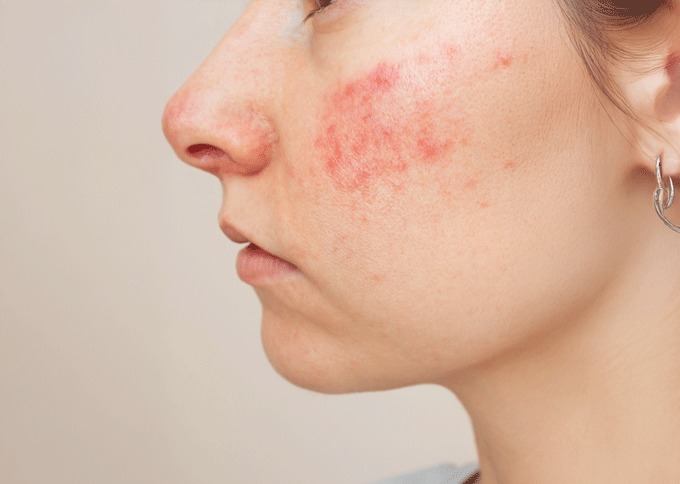
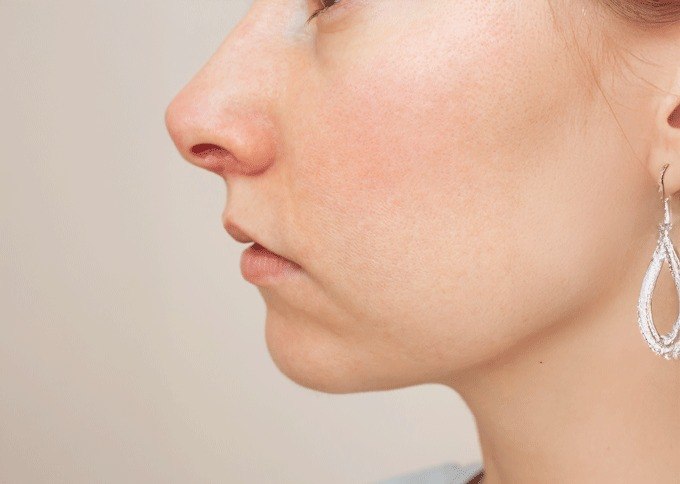
See the remarkable transformations for yourself | Our 'Before & After' Slider highlights the impact of Rosacea Treatment.

As we age, our face begins to show signs of time - wrinkles, sagging skin and volume loss. Many people turn in to refresh their appearance and feel more confident. We have divided the face into three key areas:




.png)

 Still haven’t found the solution?
Rosacea’s exact cause remains unclear, but it likely involves a combination of genetic and environmental factors. Common triggers include sun exposure, extreme temperatures, hot drinks, spicy foods, alcohol, and stress. Managing these triggers can help reduce flare-ups.
Currently, there is no permanent cure for rosacea. However, treatments can effectively manage symptoms and prevent progression. Options include topical medications, oral antibiotics, and lifestyle adjustments to avoid known triggers.
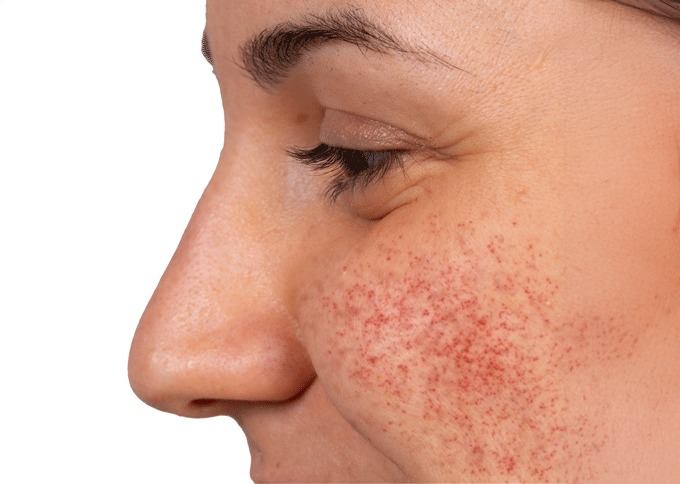
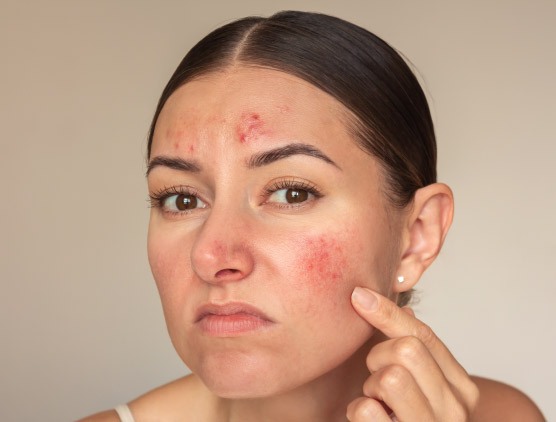
Common symptoms of rosacea include facial redness, swollen red bumps, visible blood vessels, eye problems like dryness and irritation, and an enlarged nose, which primarily affects men.
Vitamin C can be beneficial for rosacea as it helps strengthen skin barriers and reduces redness. However, choose a formula specifically designed for sensitive skin to avoid irritation.
Foods that may trigger rosacea include hot and spicy dishes, dairy products, alcohol, and hot drinks. Keeping a food diary can help you identify specific triggers and manage your symptoms better.
Rosacea is a chronic condition that varies in duration for different people. Flare-ups might last for weeks to months and then reduce before potentially flaring up again. Continuous treatment and lifestyle adjustments can help manage its persistence.
Rosacea primarily affects the skin and does not cause hair loss. However, if it spreads to the scalp, it might lead to inflammation that temporarily impacts hair health.

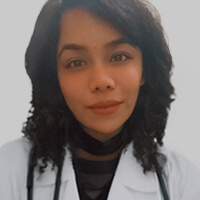
Rosacea treatment is crucial not only for cosmetic reasons but also for maintaining skin health and comfort. Managing this condition can significantly improve the quality of life and prevent symptoms from worsening. Here’s why treatment is essential:
Besides Gold Toning Laser, several other treatments can help manage rosacea symptoms:
After rosacea treatment, it’s important to care for your skin properly:
.svg)

Check out our app!


Social Media









.jpg/1711807794014_ban-Icon.png)



_11zon-ca864071060981e9.jpg)