Delhi
phone icon in white color

Call Us

Book Appointment

Best total thyroidectomy Clinic in Delhi

  • Pristyncare Clinic image : H/56, Ground Floor, near Diamond Crown Banquet Hall Sector 51,...
    Pristyn Care Clinic, Sector 51 Noida
    star iconstar iconstar iconstar iconstar icon
    4/5
    Proctology
    Vascular
    Laparoscopy
    +1
    location icon
    H/56, Ground Floor, near Diamond Crown Banquet Hall Sector 51,...
    hospital icon
    All Days - 10:00 AM to 8:00 PM

About Total Thyroidectomy

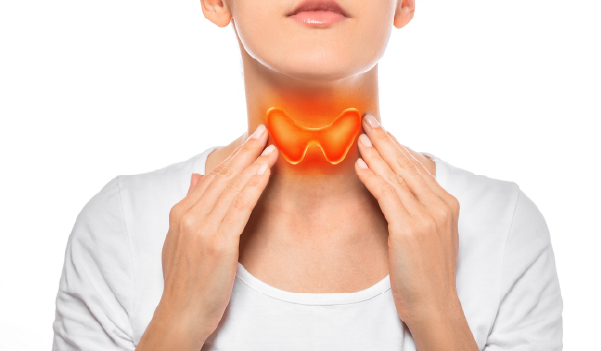
A total thyroidectomy is a surgical procedure in which the entire thyroid gland is removed. The thyroid is a butterfly-shaped gland situated in the neck, responsible for producing hormones that regulate metabolism. This surgery is often required in cases of thyroid cancer, particularly when larger tumours are present, or in the treatment of severe hyperthyroidism that does not respond to other treatments such as medication or radioactive iodine therapy. During the operation, an incision is made in the neck to allow the surgeon to remove the thyroid gland entirely. In cases where cancer is involved, nearby lymph nodes may also be removed to assess whether the cancer has spread. Following the surgery, patients typically require a hospital stay of one or two days. Lifelong thyroid hormone replacement therapy is necessary to compensate for the loss of thyroid function.

Overview

Types of Total Thyroidectomy
  • Total Thyroidectomy
  • Subtotal (Partial) Thyroidectomy
  • Hemithyroidectomy / Lobectomy
  • Isthmusectomy
  • Completion Thyroidectomy
Preparation for Total Thyroidectomy
  • Medical Tests
  • Medication Adjustments
  • Fasting Pre-Surgery
  • Post-Operative Care Arrangements
Post-Procedure Care
  • Recovery Time
  • Pain Management
  • Thyroid Hormone Replacement
  • Follow-Up Care

Diagnosis and Treatment

Diagnosis for Total Thyroidectomy:

Before proceeding with a total thyroidectomy in Delhi, doctors perform several tests to assess eligibility:

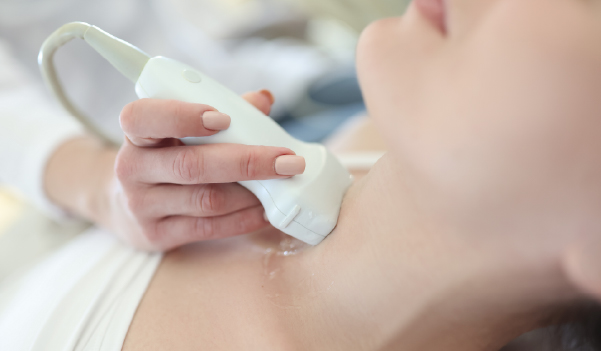
  • Thyroid Ultrasound: This test checks the size of any nodules and looks for signs of cancer spread.
  • Fine Needle Biopsy: Helps confirm the type and aggressiveness of the tumour.
  • Vocal Cord Assessment: Checks for any issues with vocal cords that need attention.
  • Blood Tests: These tests evaluate thyroid function and check for potential damage to parathyroid glands.
Read More

Treatment for Thyroid Removal:

In total thyroidectomy, the entire thyroid gland is surgically removed. The thyroid is a small, butterfly-shaped gland located in the neck, responsible for producing hormones that regulate metabolism and energy levels. This procedure is often necessary for conditions such as thyroid cancer, severe hyperthyroidism (an overactive thyroid), or large goitres that cause difficulty with breathing or swallowing.

The surgery is performed under general anaesthesia to ensure the patient is asleep and comfortable. During the operation, an incision is made in the neck to access and remove the thyroid gland completely. Following the procedure, patients typically need to stay in hospital overnight for monitoring, and will require several weeks of recovery at home.

Read More

Our Hospitals

Why Pristyn Care?

Delivering Seamless Surgical Experience in India

01

Pristyn Care is COVID-19 safe

Your safety is taken care of by thermal screening, social distancing, sanitized clinics and hospital rooms, sterilized surgical equipment and mandatory PPE kits during surgery.

02

Assisted Surgery Experience

A dedicated Care Coordinator assists you throughout the surgery journey from insurance paperwork, to free commute from home to hospital & back and admission-discharge process at the hospital.

03

Medical Expertise With Technology

Our surgeons spend a lot of time with you to diagnose your condition. You are assisted in all pre-surgery medical diagnostics. We offer advanced laser and laparoscopic surgical treatment. Our procedures are USFDA approved.

04

Post Surgery Care

We offer free follow-up consultations and instructions including dietary tips as well as exercises to every patient to ensure they have a smooth recovery to their daily routines.

care service Still haven’t found the solution?
phone icon080-6541-4451 Call us now

Eligibility For Total Thyroidectomy

Total thyroidectomy, or complete thyroid removal surgery, is often the recommended option for certain thyroid conditions. Here is who might benefit from this surgery:

  • Type of Thyroid Cancer: Patients diagnosed with specific types of thyroid cancer, like papillary, follicular, Hurthle cell, or medullary carcinoma, are potential candidates for total thyroidectomy.
  • Tumour Size: If the size of a papillary or follicular tumour exceeds 2 cm, a total thyroidectomy procedure might be advised.
  • Cancer Spread: When cancer extends beyond the thyroid gland or reaches lymph nodes, removing the entire thyroid is usually necessary.
  • High-Risk Features: Features like capsular invasion or lymph node involvement indicate a higher risk, prompting total thyroidectomy as a treatment choice.
  • Family History: A family history of medullary thyroid cancer, especially with genetic mutations, is an important factor.
  • Radiation Exposure: Previous exposure to radiation can also make total thyroidectomy advisable.

How is Total Thyroidectomy Performed?

A total thyroidectomy involves the removal of the entire thyroid gland and is typically performed under general anaesthesia. Below is an overview of what to expect during the procedure:

  • Preparation: The patient is positioned comfortably on the operating table, and general anaesthesia is administered to ensure they are pain-free throughout the surgery.
  • Incision: A small incision is made in the neck to access the thyroid gland.
  • Gland Removal: The surgeon carefully removes the entire thyroid gland, taking care to preserve important structures such as nerves and the parathyroid glands nearby.
  • Lymph Node Dissection: If necessary, lymph nodes in the neck may also be removed to assess whether cancer has spread.
  • Closure: The incision is then closed using sutures or staples.
  • Post-Operative Care: After the surgery, the patient is closely monitored for any complications, including bleeding or issues with the vocal cords.

How To Prepare For Total Thyroidectomy?

Preparing for this surgery involves several important steps:

  • Pre-Operative Tests: Blood tests and imaging are conducted to assess thyroid function and evaluate the characteristics of any nodules.
  • Medication Adjustments: You may need to discontinue certain medications, such as blood thinners, before the surgery.
  • Fasting: You will be asked to fast for a specified period prior to the procedure.
  • Vocal Cord Evaluation: Doctors will assess vocal cord function to ensure there are no existing issues before proceeding with the surgery.

Post-Procedure Care After Total Thyroidectomy

After undergoing total thyroidectomy surgery, recovery involves a few key steps. Here’s what you should keep in mind during thyroidectomy recovery:

  • Rest and Recovery: Resting well aids healing after surgery.
  • Pain Management: Pain medications prescribed by your doctor help manage discomfort effectively.
  • Wound Care: Keep the incision site clean and follow any wound care instructions given by your doctor.
  • Dietary Changes: A diet rich in calcium and vitamin D supports healthy parathyroid function post-surgery.
  • Follow-Up Appointments: Regular check-ups ensure proper healing and adjustment of thyroid hormone replacement therapy.
  • Hormone Replacement: Starting hormone replacement medication as directed by your doctor is essential post-surgery.
  • Avoid Straining: Steer clear of heavy lifting or activities that might cause bleeding complications.
Read More

Frequently Asked Questions

What is a total thyroidectomy?

A total thyroidectomy is a complete thyroid removal surgery where the whole thyroid gland is taken out. This is often done to treat conditions like thyroid cancer or severe hyperthyroidism.

Why is total thyroidectomy performed?

This procedure is carried out for serious conditions such as thyroid cancer, large swelling of the thyroid (goitre), or severe hyperthyroidism that can’t be controlled with other treatments.

What are the potential complications of a total thyroidectomy?

Some complications can include issues like low calcium levels (hypoparathyroidism), problems with vocal cords, infection, and bleeding after the surgery.

Does it involve removing parathyroid glands?

The total thyroidectomy procedure aims to avoid removing or damaging the parathyroid glands, but sometimes they might get affected during surgery.

What is the recovery period?

Thyroidectomy recovery usually takes about 1 to 2 weeks. You might feel some discomfort and notice temporary changes in your voice during this time.

Can thyroid tissue regenerate?

Once the thyroid is removed, it doesn’t grow back completely. There might be some small tissue growth, but it won’t be enough to function like before.

Disclaimer: *The result and experience may vary from patient to patient.. **By submitting the form or calling, you agree to receive important updates and marketing communications.

© Copyright Pristyncare 2026. All Right Reserved.