Delhi
phone icon in white color

Call Us

Book Free Appointment

USFDA-Approved Procedure

USFDA-Approved Procedure

Patient Centric Approach

Patient Centric Approach

1-day Hospitalization

1-day Hospitalization

Cost Effective Treatment
Cost Effective Treatment

About Warts Removal

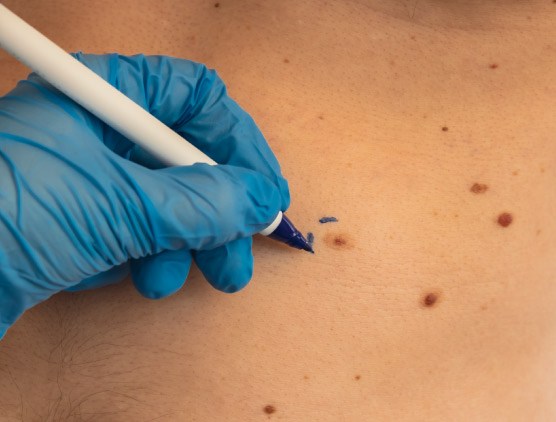
Warts treatment is all about dealing with those annoying skin bumps caused by the human papillomavirus (HPV). These treatments aim to get rid of the wart while making sure you're as comfortable as possible and keeping them from coming back. There are different ways to treat warts, depending on their type and location. Doctors can use topical treatments, laser therapy, electrosurgery, or even surgical excision to tackle these skin growths. Each method has its own benefits and might be recommended based on how stubborn the wart is. The idea is to remove the wart with minimal pain and reduce scarring. Most of these procedures are quick and straightforward, often done in a clinic or hospital without needing you to stay overnight. After treatment, you may notice quick healing, allowing you to get back to your daily activities without much hassle.

Overview of Warts Removal

Common Causes for Developing Warts

  • Human papillomavirus (HPV) infection
  • Skin-to-skin contact
  • Using shared personal items
  • Cuts or abrasions
  • Weak immune system

Benefits of Warts Removal

  • Restores clear skin
  • Stops spreading
  • Prevents discomfort
  • Improves appearance
  • Reduces infection risk
Overview of Warts Removal

Symptoms Indicating Need for Removal

  • Rough skin growths
  • Small, grainy bumps
  • Black pinpoints inside wart
  • Pain while walking or touching
  • Spread of growths

Side Effects of Warts

  • Redness
  • Swelling
  • Mild pain
  • Blister formation
  • Scabbing
Common Causes for Developing Warts
  • Human papillomavirus (HPV) infection
  • Skin-to-skin contact
  • Using shared personal items
  • Cuts or abrasions
  • Weak immune system
Benefits of Warts Removal
  • Restores clear skin
  • Stops spreading
  • Prevents discomfort
  • Improves appearance
  • Reduces infection risk
Symptoms Indicating Need for Removal
  • Rough skin growths
  • Small, grainy bumps
  • Black pinpoints inside wart
  • Pain while walking or touching
  • Spread of growths
Side Effects of Warts
  • Redness
  • Swelling
  • Mild pain
  • Blister formation
  • Scabbing

Types of Warts Removal Treatment in Delhi

We at Pristyn Care Perform 6 types of treatment as follows:

Cryotherapy:

A dermatologist applies liquid nitrogen to freeze the wart tissue, causing it to blister and eventually fall off. This method is quick, effective, and commonly used for common and plantar warts. Multiple sessions may be required, and mild discomfort or redness can occur post-treatment.
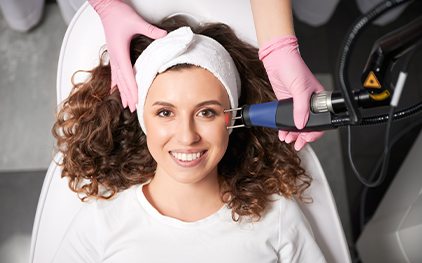
Laser Treatment:

High-intensity laser beams are directed at the wart to destroy its blood supply, causing it to shrink and disappear. This method is suitable for stubborn warts that resist other treatments. It offers precise targeting with minimal damage to surrounding skin, reducing scarring risks and ensuring faster recovery.

Surgical Removal:

This involves cutting out the wart with a scalpel or specialized tool under local anesthesia. It’s recommended for large, persistent, or painful warts. While it provides immediate removal, a small scar may form, and careful post-procedure care is necessary to prevent infection or recurrence.

Electrocautery:

An electrically heated needle or probe burns and destroys wart tissue. This technique is effective for deep or multiple warts and can be performed in a single session. It requires local anesthesia, and post-treatment healing involves keeping the area clean to avoid infection and scarring.

Topical Medications:

Prescription or over-the-counter creams, gels, or solutions, such as salicylic acid, gradually dissolve wart tissue over weeks. Some formulations stimulate the immune system to fight the virus. This method is painless, affordable, and suitable for home use, but requires consistent application and patience for visible results.

Immunotherapy:

This approach trains the body’s immune system to attack the virus causing warts. It may involve topical immune-boosting agents or injections. Immunotherapy is ideal for resistant or recurring warts, offering a non-invasive alternative that targets the root cause rather than just removing surface growths.

Cryotherapy:

A dermatologist applies liquid nitrogen to freeze the wart tissue, causing it to blister and eventually fall off. This method is quick, effective, and commonly used for common and plantar warts. Multiple sessions may be required, and mild discomfort or redness can occur post-treatment.

Call Us
080-6541-4437

Laser Treatment:

High-intensity laser beams are directed at the wart to destroy its blood supply, causing it to shrink and disappear. This method is suitable for stubborn warts that resist other treatments. It offers precise targeting with minimal damage to surrounding skin, reducing scarring risks and ensuring faster recovery.

Call Us
080-6541-4437

Surgical Removal:

This involves cutting out the wart with a scalpel or specialized tool under local anesthesia. It’s recommended for large, persistent, or painful warts. While it provides immediate removal, a small scar may form, and careful post-procedure care is necessary to prevent infection or recurrence.

Call Us
080-6541-4437

Electrocautery:

An electrically heated needle or probe burns and destroys wart tissue. This technique is effective for deep or multiple warts and can be performed in a single session. It requires local anesthesia, and post-treatment healing involves keeping the area clean to avoid infection and scarring.

Call Us
080-6541-4437

Topical Medications:

Prescription or over-the-counter creams, gels, or solutions, such as salicylic acid, gradually dissolve wart tissue over weeks. Some formulations stimulate the immune system to fight the virus. This method is painless, affordable, and suitable for home use, but requires consistent application and patience for visible results.

Call Us
080-6541-4437

Immunotherapy:

This approach trains the body’s immune system to attack the virus causing warts. It may involve topical immune-boosting agents or injections. Immunotherapy is ideal for resistant or recurring warts, offering a non-invasive alternative that targets the root cause rather than just removing surface growths.

Call Us
080-6541-4437

Best Doctors For Warts in Delhi

Best Clinic for Warts in Delhi

  • Pristyncare Clinic image : H/56, Ground Floor, near Diamond Crown Banquet Hall Sector 51,...
    Pristyn Care Clinic, Sector 51 Noida
    star iconstar iconstar iconstar iconstar icon
    4/5
    Proctology
    Vascular
    Laparoscopy
    +1
    location icon
    H/56, Ground Floor, near Diamond Crown Banquet Hall Sector 51,...
    hospital icon
    All Days - 10:00 AM to 8:00 PM

Treatment Areas

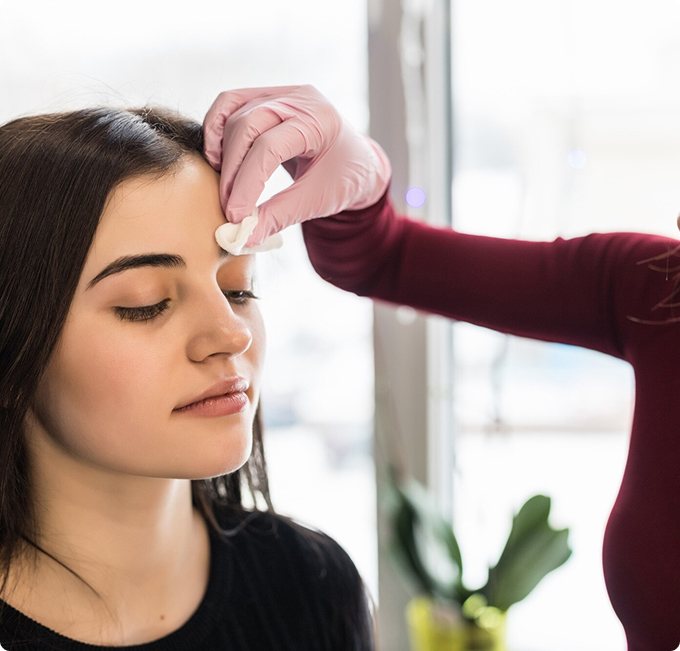
As we age, our face begins to show signs of time - wrinkles, sagging skin and volume loss. Many people turn to warts removal to refresh their appearance and feel more confident. We have divided the face into three key areas:

UPPER FACE
Periorbicular area, forhead, etc.
MIDDLE FACE
Cheekbone, cheeks, nasolabial fold, etc.
LOWER FACE
Lip, Chin, Mandibular Line, Etc.
Treatment Face Areas

Our Hospitals

Warts Removal Treatment Journey

When you're ready for treatment, here's what to expect from the procedure:
Initial Consultation

Initial Consultation

Dermatologist examines the wart type, size, and location. Best treatment method is chosen based on severity and patient needs.
Preparation

Preparation

Avoid self-removal attempts to prevent spread. Keep the area clean and avoid scratching before the procedure.
Procedure

Procedure

Depending on method, the wart is frozen, burned, cut, or treated with medicine. Most sessions last 10–30 minutes and may require multiple visits.
Post-Treatment Care

Post-Treatment Care

Keep area clean and protected with dressing. Avoid direct trauma or picking at the site. Follow-up visits ensure complete removal and prevent recurrence.
Warts Treatment Journey
Why Choose Pristyn Care?
Advanced Treatments
Advanced Treatments We provide advanced treatments that effectively address concerns like wrinkles, volume loss, and facial contouring, using premium, non-invasive techniques.
Safe and Proven Methods
Safe and Proven Methods Our procedures follow strict hygiene and safety protocols. Treatment is administered only after a complete evaluation to ensure it’s suitable for your skin and aesthetic needs.
Expert Specialists
Expert Specialists Our panel of dermatologists and aesthetic experts have extensive experience in facial anatomy, ensuring your treatment looks natural and symmetrical.
End-to-End Assistance
End-to-End Assistance From booking your consultation to post-procedure follow-ups, Pristyn Care ensures seamless coordination, comfort, and continuous care throughout your treatment journey.
care service Still haven’t found the solution?
phone icon080-6541-4496 Call us now

Frequently Asked Questions

What causes warts?

Warts pop up because of a virus called the human papillomavirus (HPV). This virus sneaks into the skin cells and causes those annoying bumps.

What treatments are available for warts in Delhi?

In Delhi, you have several options to tackle warts. You can use salicylic acid, blistering agents, cryotherapy, laser therapy, or opt for surgery.

Is laser therapy effective for warts?

Laser therapy works well, especially for those big or stubborn warts. It’s painless and doesn’t require downtime either.

Does cryotherapy require multiple sessions?

Yes, cryotherapy often needs a few sessions to be effective. Usually, these sessions are spaced about two weeks apart.

Can warts recur after treatment?

Yes, unfortunately, warts can come back because the virus (HPV) stays in your body.

Can warts be removed permanently?

Yes, you can get rid of warts for good with the right treatment. But do keep an eye out, as they might come back sometimes.

How much does wart removal cost in Delhi?

The price for removing warts in Delhi ranges from ₹2,000 to ₹3,500 per wart. Also, the cost depends on the type of treatment and where you get it done.

Can salicylic acid be used on all body parts?

Salicylic acid is great, but avoid using it on your face. It might irritate the sensitive skin there.

Are there non-surgical options for wart removal?

Absolutely! You can choose non-surgical methods like cryotherapy, salicylic acid, and blistering agents to remove warts.

How long does it take for treated warts to heal?

Healing times vary; smaller warts tend to heal faster than larger ones. It can take anywhere from a few weeks to several months for complete healing.


green tick with shield icon
Medically Reviewed By
doctor image
Dr. Komal Grover
Aesthetic Physician, PG Diploma in Clinical Cosmetology
6 Years Experience Overall
Last Updated : March 21, 2026

Warts Removal vs. Mole Removal

FeatureWarts RemovalMole Removal
CauseViral infection (HPV)
Natural skin growth
NatureContagiousNon-contagious
Main GoalEradicate virus & growth
Remove cosmetic or risky mole
Recurrence RiskPossible if virus remainsRare
Treatment MethodsCryotherapy, laser, medsSurgical, laser
Healing TimeDays to weeksWeeks

Eligibility For Warts Treatment in Delhi

Warts can be quite bothersome, and seeking treatment in Delhi is a viable option if you meet certain criteria. Here’s how you can determine if you’re eligible for warts treatment:

  • Type of Warts: If you have warts that are large, numerous, or have been around for a long time despite trying other treatments, you might need to consider professional treatment.
  • Symptoms and Impact: If you have warts that cause discomfort, look unsightly, or just won’t go away on their own, it’s time to think about treatment.
  • Underlying Health Conditions: People with weakened immune systems might need special care during treatment to ensure it goes smoothly without complications.
  • Age and Health Status: Treatment methods can vary depending on how old you are, your overall health, and where the warts are located on your body.

Initial Examinations

Before starting any treatment, doctors will need to evaluate your condition thoroughly. Here’s what they might do:

  • Visual Examination: The doctor will look at the wart to confirm what type it is.
  • Scraping: They might gently scrape the wart’s surface to spot any dark dots typical of warts.
  • Biopsy: If it’s unclear whether it’s a wart or another skin condition, they might do a biopsy.

How is Warts Treatment Performed in Delhi?

Getting rid of warts involves different methods depending on the specifics of each case. Here’s what generally happens during the treatment:

  • Cryotherapy:
    • Firstly, the area around the wart is cleaned.
    • Liquid nitrogen is applied using a spray or cotton applicator. This creates a frosty effect on the wart for about 20-30 seconds.
    • Several sessions may be needed until the wart disappears.
  • Surgical Removal:
    • Local anaesthesia is given to numb the area.
    • The wart is carefully excised using special tools.
    • After removal, the wound is dressed, and healing is monitored.
  • Chemical Treatments:
    • Topical solutions like salicylic acid are applied directly to the wart.
    • The applications continue over several weeks until the wart vanishes.

How To Prepare For Warts Treatment in Delhi?

Preparing for warts treatment helps ensure everything goes smoothly. Here’s how you can get ready:

  • Consult a Doctor: Discuss your symptoms and which treatment suits you best.
  • List Medications: Make sure to bring a list of all medicines you’re taking, including over-the-counter ones.
  • Avoid Certain Treatments Beforehand: If advised, stop using home remedies before starting professional treatment

Post-Procedure Care After Warts Treatment?

After you’ve undergone warts treatment, it’s essential to take care of yourself properly to ensure effective healing:

  • Wound Dressing: Keep the treated area clean and covered with a sterile dressing until it fully heals.
  • Avoid Irritation: Steer clear of rubbing or scratching the treated area to prevent irritation or infection.
  • Pain Management: Take prescribed painkillers if you’re feeling discomfort after the procedure.
  • Follow-Up Visits: Attend all scheduled follow-up appointments to make sure you’re healing well and to check for any recurrence of warts.
  • Hygiene Practices: Practice good hygiene habits to reduce the chances of getting reinfected.
  • Avoid Sharing Personal Items: Do not share towels or razors to prevent spreading the virus that causes warts.
  • Sun Protection: Shield the treated area from too much sun exposure to avoid scarring or discolouration.

Why Choose Pristyn Care for Warts Treatment in Delhi?

We at Pristyn Care pride ourselves on offering top-notch warts treatment in Delhi. Here’s why you should consider us:

  • Advanced Technology: We use cutting-edge technology, including laser treatments, which are effective and minimally invasive.
  • Experienced Specialists: Our team includes highly skilled specialists committed to providing excellent care.
  • High Success Rates: We focus on delivering successful outcomes while ensuring patient comfort throughout the process.
  • Patient-Focused Care: Our approach centres around you. We offer personalised attention and support during your treatment journey.
  • Affordable Options: Our treatments are competitively priced and often covered by major insurance providers.

Warts Treatment in Other Near By Cities

expand icon
Disclaimer: *The result and experience may vary from patient to patient.. **By submitting the form or calling, you agree to receive important updates and marketing communications.

© Copyright Pristyncare 2026. All Right Reserved.