Delhi


USFDA-Approved Procedure

Patient Centric Approach

1-day Hospitalization

Cost Effective Treatment
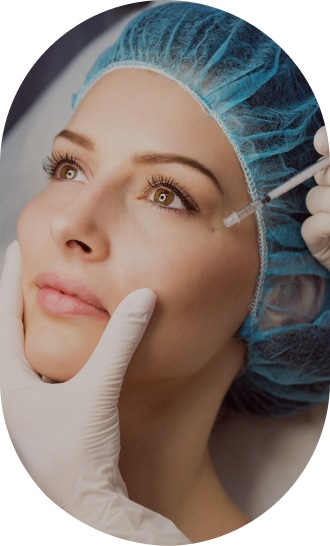
We at Pristyn Care Perform 3 types of Xanthelasma treatment as follows
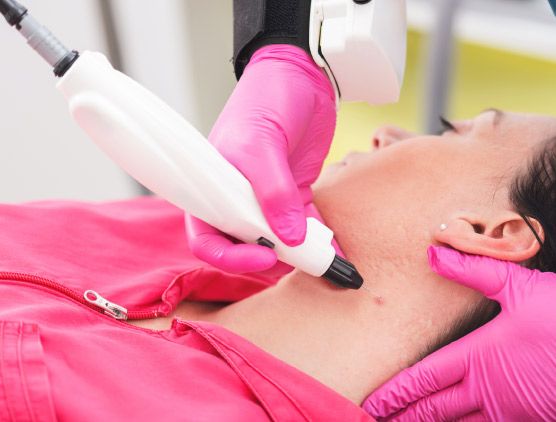
Laser therapy is a precise, non-invasive treatment for xanthelasma removal. Fractional CO₂ Laser and Q-Switched Laser targets deposits without damaging the healthy skin. These treatments offer speedy recovery, minimal scarring, and significant cosmetic improvement. Ideal for those who want effective results without surgery.
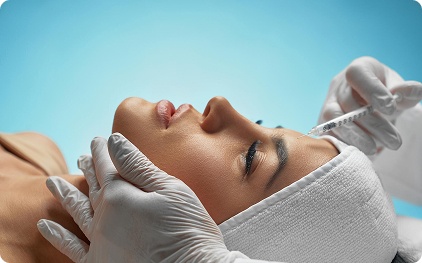
Surgical xanthelasma excision is another reliable method, especially when the deposits are deep or recurring. During this outpatient procedure, performed under local anaesthesia, the surgeon carefully removes the xanthelasma, ensuring an aesthetically pleasing result. This approach tends to offer a lower chance of recurrence compared to non-surgical methods.
Chemical peels utilise a chemical solution, such as trichloroacetic acid (TCA), to exfoliate the top layer of the skin and reduce the appearance of xanthelasma. This method can effectively improve skin texture and tone, leaving you with rejuvenated skin.
Laser therapy is a precise, non-invasive treatment for xanthelasma removal. Fractional CO₂ Laser and Q-Switched Laser targets deposits without damaging the healthy skin. These treatments offer speedy recovery, minimal scarring, and significant cosmetic improvement. Ideal for those who want effective results without surgery.
Surgical xanthelasma excision is another reliable method, especially when the deposits are deep or recurring. During this outpatient procedure, performed under local anaesthesia, the surgeon carefully removes the xanthelasma, ensuring an aesthetically pleasing result. This approach tends to offer a lower chance of recurrence compared to non-surgical methods.
Chemical peels utilise a chemical solution, such as trichloroacetic acid (TCA), to exfoliate the top layer of the skin and reduce the appearance of xanthelasma. This method can effectively improve skin texture and tone, leaving you with rejuvenated skin.
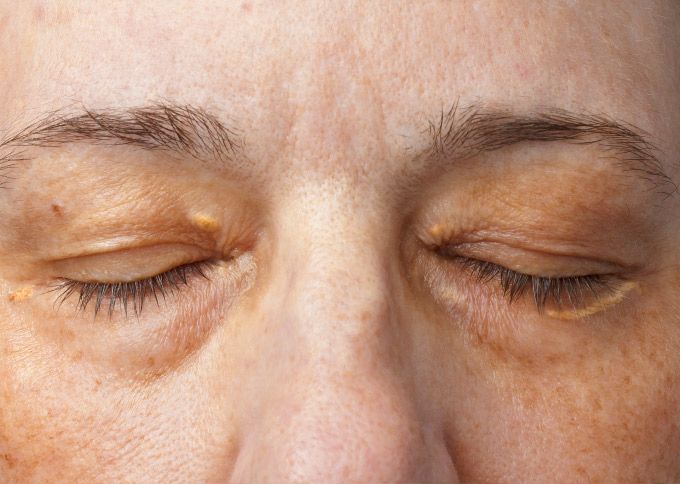
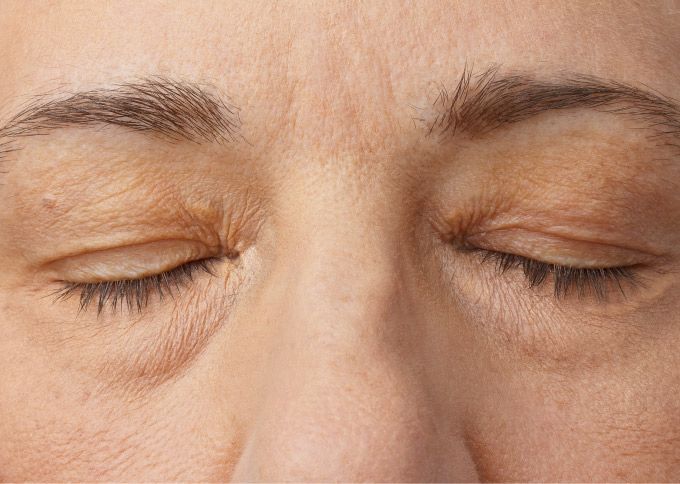
See the remarkable transformations for yourself | Our 'Before & After' Slider highlights the impact of Xanthelasma Treament.

As we age, our face begins to show signs of time - wrinkles, sagging skin and volume loss. Many people turn to Xanthelasma treatment to refresh their appearance and feel more confident. We have divided the face into three key areas:





.png)

 Still haven’t found the solution?
Potential side effects of xanthelasma treatment surgery include scarring and temporary skin colour changes. Although rare in clean settings, infections could occur. Allergic reactions to medicine and a chance of reappearance within five years are also possible.
During surgical removal, a doctor makes small cuts around the bump under local anaesthesia to remove the fatty deposits. The skin is then carefully stitched back together. An eye pad might be used afterwards to aid recovery.
Yes, xanthelasma can return after treatment, especially within the first five years. Regular check-ups and lifestyle changes can help manage the risk of recurrence.
The cost can vary based on the chosen method and the doctor’s expertise. In Delhi, prices range from INR 10,000 to INR 25,000 per eyelid. Surgical options tend to cost more but may offer longer-lasting results.
Xanthelasma itself isn’t risky but might hint at underlying health issues like high cholesterol or cardiovascular risks. In rare cases, large growths can affect your vision, so getting it checked is important.
Post-surgery care is vital for recovery. Keep the treated area clean, avoid direct sun exposure, and hold off on activities that might strain your eyes. Follow your surgeon’s advice on wound care and avoid heavy exercise for about a week for best results.


Xanthelasma can be more than just a cosmetic concern. Here are the main reasons why xanthelasma treatment surgery is recommended:
After your Xanthelasma removal treatment, it’s important to follow the aftercare instructions for optimal recovery:
.svg)

Check out our app!


Social Media








.jpg/1711807794014_ban-Icon.png)



_11zon-ca864071060981e9.jpg)