Delhi


USFDA Approved Procedures

Minimally invasive. Minimal pain*.

Insurance Paperwork Support
.svg)
1 Day Procedure

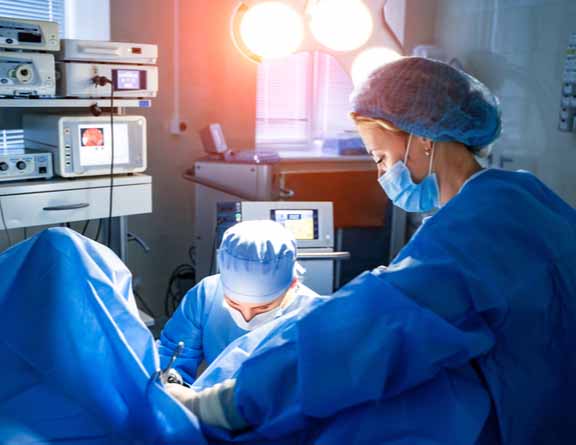
Advanced Cellular Therapy for Motor Neurone Disease Available in Delhi
At Pristyn Care, we offer advanced and patient-centric cellular therapy for Motor Neurone Disease (MND), also known as Amyotrophic Lateral Sclerosis (ALS), in Delhi. Our treatments aim to promote natural healing, reduce inflammation, and support nerve regeneration in the affected areas. Depending on your condition and medical history, our specialists will recommend the most suitable form of therapy to support your recovery.
In this approach, stem cells are harvested from the patient’s own body—usually from bone marrow or adipose (fat) tissue. These cells are then processed and injected into the affected areas. As this method uses the patient’s own biological material, the risk of rejection is minimal. It is a widely preferred option for ALS treatment in Delhi, especially for patients seeking non-surgical options to manage symptoms and improve function.
Delivering Seamless Surgical Experience in India
Your safety is taken care of by thermal screening, social distancing, sanitized clinics and hospital rooms, sterilized surgical equipment and mandatory PPE kits during surgery.
A dedicated Care Coordinator assists you throughout the surgery journey from insurance paperwork, to free commute from home to hospital & back and admission-discharge process at the hospital.
Our surgeons spend a lot of time with you to diagnose your condition. You are assisted in all pre-surgery medical diagnostics. We offer advanced laser and laparoscopic surgical treatment. Our procedures are USFDA approved.
We offer free follow-up consultations and instructions including dietary tips as well as exercises to every patient to ensure they have a smooth recovery to their daily routines.
At present, there is no definitive cure for motor neurone disease or ALS. However, cellular therapy has shown promise in managing the symptoms, slowing progression, and improving the quality of life for patients. It may help enhance motor function, increase independence, and provide support for muscle strength, although it is viewed as a complementary treatment rather than a complete ALS cure.
Patients with motor neurone disease who have not responded adequately to conventional treatments or are seeking additional options to manage symptoms may be suitable candidates for cellular therapy. A thorough assessment by a specialist is necessary to determine the most appropriate approach, based on the patient’s condition, progression of ALS, and overall health.
Cellular therapy can help reduce the rate of degeneration in motor neurons, improve muscle function, and potentially slow the progression of ALS. It may also enhance quality of life by improving mobility, reducing muscle weakness, and supporting the respiratory and swallowing muscles, which are often impacted by ALS. By complementing traditional therapies, cellular treatment can provide patients with longer periods of functional independence.
At reputable centres such as Pristyn Care in Delhi, cellular therapy is personalised for each patient. The stem cells used for ALS treatment may be harvested from the patient’s own body (autologous stem cells), depending on individual needs. The therapy is usually administered through injection or intravenous infusion, under controlled conditions, and is often part of a broader treatment plan that may include physical therapy and medication.
Cellular therapy is generally safe when performed by experienced specialists. However, as with any medical procedure, there are minimal risks, such as infection, allergic reactions, or mild immune responses. These risks are closely monitored and managed to ensure the patient’s safety. Discussing potential risks with your healthcare provider before treatment is essential for informed decision-making.
The timeline for visible improvements can vary from patient to patient. Some individuals may notice benefits within a few weeks, while others may take several months to see significant changes. The results are often gradual, and ongoing follow-up care, including physiotherapy and rehabilitation, is crucial to maximise the benefits of treatment.
In Delhi, the main types of cellular therapy used for motor neurone disease are autologous stem cell therapy and mesenchymal stem cell therapy. These therapies aim to repair nerve damage and provide neuroprotective benefits to patients suffering from ALS and other forms of motor neurone disease. Your healthcare provider will recommend the most suitable therapy based on your specific condition and medical history.
Determining eligibility for cellular therapy in the treatment of motor neurone disease (MND), including ALS, involves a comprehensive evaluation to ensure that the therapy is appropriate, safe, and likely to be beneficial for the individual. At Pristyn Care, our specialists carefully assess each patient’s unique condition and medical history before recommending cellular therapy for ALS or other forms of motor neurone disease. This approach helps us tailor the treatment plan to the specific needs of the patient.
Key Factors for Eligibility:
Diagnosis of Motor Neurone Disease (MND):
Patients diagnosed with ALS or other forms of MND who are experiencing symptoms such as muscle weakness, difficulty speaking, swallowing, or breathing may be considered for cellular therapy. The stage of the disease plays a significant role, as cellular therapy is generally most effective in the early to mid-stages, where motor neuron damage is not yet irreversible.
Limited Response to Conventional Treatments:
If standard treatments, such as medication and physical therapy, have not provided sufficient relief, cellular therapy may be considered as an alternative option. It is especially explored when traditional ALS treatments have not delivered the desired improvement in managing symptoms or slowing disease progression. For those seeking ALS treatment in Delhi India, cellular therapy offers hope for slowing the disease’s progression and improving quality of life.
Potential for Neural Regeneration:
Candidates for cellular therapy must demonstrate a reasonable potential for neural regeneration. Imaging studies and diagnostic tests, such as EMG (electromyography) or nerve conduction studies, are used to evaluate the extent of motor neuron damage. These help determine whether the patient is a suitable candidate for cellular therapy aimed at stimulating repair and slowing the degenerative process of ALS.
General Health and Medical Fitness:
For optimal results, patients must be in overall good health. This includes having no active infections, well-managed chronic conditions, or any underlying health issues that could increase procedural risks. Cellular therapy for ALS requires patients to have a stable medical condition to ensure the best possible outcome.
Pre-Treatment Assessments:
Before confirming eligibility for ALS cellular therapy, patients undergo the following:
Preparing for cellular therapy is an important step in ensuring the treatment is carried out safely, effectively, and in line with the patient’s specific health needs. If you are considering ALS treatment, here’s what you can expect during the preparation phase for cellular therapy.
Before proceeding, a thorough medical assessment is important. Your specialist will review your ALS diagnosis, symptom progression, past treatments, and general health. It is important to share your full medical history, including any coexisting conditions, medications, and previous interventions. This helps to ensure that the planned therapy is appropriate and increases the likelihood of a positive response.
Certain medications may need to be paused or adjusted before undergoing cellular therapy. These may include drugs that affect your immune system, blood clotting, or inflammatory response. Please inform your doctor of all prescribed, over-the-counter, and supplement-based medications. The medical team will guide you through any necessary changes to ensure your safety throughout the procedure.
To assess your suitability for ALS disease treatment in Delhi using cellular therapy, diagnostic tests such as EMG (electromyography), nerve conduction studies, or MRI scans may be recommended. These tests help evaluate the extent of motor neuron damage and identify the most effective treatment strategy. Routine blood tests will also be carried out to confirm your fitness for the procedure.
Although cellular therapy is usually a minimally invasive treatment, a short period of rest is often advised. Depending on your current condition and level of mobility, you may need assistance with daily activities immediately following the procedure.
Having an open and honest conversation with your consultant about the goals and potential outcomes of therapy is important. While cellular therapy can slow disease progression and improve quality of life, it is not a definitive ALS cure. Understanding both the potential benefits and limitations will help set realistic expectations and allow you to make informed decisions.
Cellular therapy is most effective when combined with ongoing care. This may include physiotherapy, speech therapy, nutritional support, and regular follow-up appointments. If you are receiving ALS treatment, a well-rounded care plan will be created to ensure long-term support and continuous evaluation of your progress.
Following cellular therapy, appropriate post-procedure care is important for supporting recovery, enhancing the effectiveness of the treatment, and maintaining overall wellbeing. Below are the key aspects of post-treatment care for patients with motor neurone disease (MND), including ALS.
Immediately after cellular therapy, the body needs time to rest and adapt to the treatment. Physical exertion should be limited in the initial days, especially if sedation or anaesthesia was used. Patients are encouraged to take things slowly and gradually reintroduce daily routines based on medical advice.
Proper nutrition and hydration are essential components of post-procedure recovery. A diet rich in vitamins, antioxidants, and proteins can help support cell regeneration and strengthen the immune system. If swallowing is affected by ALS, nutritional support may include soft foods, supplements, or feeding support, depending on the individual’s condition.
While cellular therapy is generally well tolerated, patients should monitor for any unusual symptoms such as fever, inflammation at the injection site, increased muscle weakness, or fatigue. Promptly reporting these symptoms to your care team is important to ensure early management and avoid complications.
Regular follow-up visits are a fundamental part of post-treatment care. These check-ins allow the medical team to monitor how well the patient is responding to therapy, adjust medications if needed, and plan any additional interventions.
Cellular therapy works best when combined with ongoing rehabilitation. Physiotherapy, speech therapy, respiratory exercises, and occupational therapy remain important for slowing the progression of ALS and improving daily functioning.
If medications are prescribed post-treatment—whether for pain relief, inflammation control, or to support nerve function—it is important to take them exactly as directed. Medications may play an important role in supporting recovery and preventing setbacks following cellular therapy.
During the initial recovery period, it is best to avoid physically demanding tasks or activities that put undue strain on the body. As ALS can affect muscular strength and coordination, overexertion could hinder progress. Your healthcare provider will advise on the right time to resume more active rehabilitation or mobility routines.
Living with motor neurone disease can present emotional and psychological challenges for both patients and their families. Emotional wellbeing is just as important as physical health during recovery. We encourage patients to seek counselling, participate in support groups, or engage in mindfulness practices to maintain a positive outlook throughout the treatment process.

Check out our app!


Social Media









_11zon-ca864071060981e9.jpg)