Delhi
location
Get my Location
search icon
phone icon in white color

Call Us

Book Free Appointment

PRK Lasik Surgery in Janakpuri

PRK and LASIK eye surgery in Janakpuri provide advanced solutions for vision issues such as myopia, hyperopia, and astigmatism. If you’re considering these procedures, consult with our experienced doctors at Pristyn Care or book an appointment for PRK or LASIK eye surgery in Janakpuri.

PRK and LASIK eye surgery in Janakpuri provide advanced solutions for vision issues ... Read More


anup_soni_banner
Book FREE Doctor Appointment
cost calculator
Anup Soni - the voice of Pristyn Care pointing to download pristyncare mobile app
i
i
i
Call Us
We are rated
3 M+ Happy Patients
200+ Hospitals
30+ Cities

To confirm your details, please enter OTP sent to you on *

i

30+

Cities

Free Cab Facility

Free Cab Facility

No-Cost EMI

No-Cost EMI

Support in Insurance Claim

Support in Insurance Claim

1-day Hospitalization

1-day Hospitalization

USFDA-Approved Procedure
USFDA-Approved Procedure

Our Prk Lasik Surgery Doctor in Janakpuri, Delhi

Best Ophthalmology Available at Our Delhi Clinics

Dr. Varun Gogia - A ophthalmologist
Dr. Varun Gogia

MBBS, MD

medikit icon 19 Years Experience

 4.8/5

Ophthalmology
Dr. Varun Gogia completed his entire medical training, MBBS, MD, and Senior Residency at AIIMS, Delhi (Dr. Rajendra Prasad Centre for Ophthalmic Sciences). He specializes in retina care, cataract, uveitis, ROP, and micro-vitrectomy systems. He was awarded Best Junior Resident at AIIMS and also topped the MD entrance exam at RPC. His research on posterior uveitis won him the Indian Journal of Ophthalmology Silver Award in 2016. Over the years, Dr. Gogia has made several surgical innovations, including techniques for treating retinal detachment, uveal melanoma, and serpiginous choroiditis. He has published more than 60 research papers and presented his work at more than 20 national and international conferences. Before joining Pristyn Care, he led the retina division at Medanta Hospital and played a key role in developing advanced retina treatments.
Read more

Jagdish Pratap

“This treatment has given our family a new life. My father had lost almost 99% of his vision, and we had lost all hope that he would ever see the world again. He was not ready for surgery, but Dr. Gogia planned the treatment so well and performed the operation successfully. Today, my father can see again. Thank you, Dr. Gogia, for your excellent care, dedication, and life-changing treatment. We are truly grateful.”

calender icon  Date: 25-12-25

Jagdish Pratap

“This treatment has given our family a new life. My father had lost almost 99% of his vision, and we had lost all hope that he would ever see the world again. He was not ready for surgery, but Dr. Gogia planned the treatment so well and performed the operation successfully. Today, my father can see again. Thank you, Dr. Gogia, for your excellent care, dedication, and life-changing treatment. We are truly grateful.”

calender icon  Date: 24-12-25

About PRK Lasik Surgery

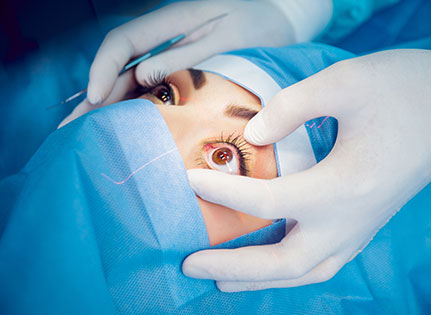
PRK LASIK surgery in Janakpuri is a modern laser treatment designed to correct vision issues such as nearsightedness, farsightedness, and astigmatism. PRK stands for Photorefractive Keratectomy, while LASIK stands for Laser-Assisted In Situ Keratomileusis. Both procedures use lasers to reshape the cornea, improving visual clarity. In PRK eye surgery, the thin outer layer of the cornea is gently removed to allow the laser to reshape the underlying tissue. This outer layer naturally regrows within a few days. PRK is particularly suitable for individuals with thin corneas or dry eyes. LASIK eye surgery, on the other hand, involves creating a small flap in the cornea to access the tissue beneath. After the laser treatment, the flap is repositioned, which typically results in a quicker and more comfortable recovery compared to PRK. These procedures are performed by ophthalmologists in specialised clinics or hospitals, and most patients are able to return home the same day. Both PRK and LASIK are safe and effective options for correcting vision problems.

Overview

know-more-about-PRK Lasik Surgery-in-delhi
Types of PRK Lasik
  • Standard PRK
  • Trans PRK
  • Standard LASIK
  • Femto-LASIK
  • LASEK (Laser Epithelial Keratomileusis)
Preparation for PRK Lasik
  • Eye Exams
  • Medication Adjustments
  • Stop Contact Lens Use
  • Arrange Transport
Post-Procedure Care
  • Pain Management
  • Use Eye Drops
  • Bandage Contact Lenses
  • Regular Follow-Ups

Treatments Available in Janakpuri

Discover advanced vision correction with PRK Lasik eye surgery in Janakpuri, offered at Pristyn Care. Their skilled doctors provide expert care and cutting-edge treatments to enhance your vision.

1. PRK Lasik Surgery

PRK Lasik eye surgery is a type of laser procedure that helps correct vision problems like myopia (nearsightedness), hyperopia (farsightedness), and astigmatism. During the procedure, the thin outer layer of the cornea called the epithelium, is gently removed. This layer naturally regrows in a few days. The laser then reshapes the cornea to improve vision. PRK is especially good for people with thin corneas or those prone to dry eyes because it doesn’t involve creating a flap in the cornea. This method can be highly effective, and although it takes a little longer to recover from compared to other procedures, it’s a great option for those who meet specific eye health criteria.

2. LASIK Eye Surgery

LASIK eye surgery is another popular method for correcting similar vision issues. In this

procedure, a thin flap is created on the cornea using either a mechanical blade or a femtosecond laser. Then, the surgeon lifts the flap to reshape the underlying corneal tissue with a laser. The flap is repositioned after the procedure, which makes recovery faster and more comfortable compared to PRK. LASIK is ideal for individuals with thicker corneas who want quicker results. Despite its benefits, LASIK is not always suitable for those with very thin corneas due to potential complications with the flap.

Pristyn Care in Janakpuri provides both PRK and LASIK options, making it easier for you to choose the right treatment based on your eye health needs and lifestyle preferences.

Eligibility For PRK Lasik

To see if PRK LASIK is right for you, there are a few key factors we need to consider to make sure it’s safe and effective.

  • Age: You need to be at least 18 years old. However, many doctors suggest waiting until you’re in your mid or late twenties when your eyes are more likely to have fully developed and your prescription remains steady.
  • Corneal Condition: Your cornea should be healthy without any issues like keratoconus or other irregularities that might affect the success of the surgery.
  • Vision Stability: It’s important that your prescription has been stable for at least a year to ensure the best possible results.
  • General Health: You should be in good health overall. Conditions like immune system problems or autoimmune diseases can impair healing.
  • Pregnancy: If you’re pregnant or nursing, it might be best to wait due to hormonal changes that can affect your eyes.
  • Medications: Some medications, such as corticosteroids or Accutane, should be avoided before undergoing the surgery.

Initial Examinations

Before PRK eye surgery, your doctor will conduct a series of tests to confirm your suitability for the procedure. These initial examinations may include:

  • Detailed eye tests to identify any diseases or infections.
  • Measuring the thickness of your cornea.
  • Assessing overall eye health.
  • Evaluating pupil size.
  • Reviewing your medical history and current health issues.

How is PRK Lasik Performed

PRK Lasik is a straightforward procedure that reshapes the cornea to improve vision. Here’s what you can expect:

  • Preparation: Anaesthetic drops are used to numb the eye, ensuring you feel no pain during the procedure.
  • Removal of the Epithelium: The outer layer of your cornea, called the epithelium, is gently removed.
  • Laser Treatment: A precise laser reshapes the underlying corneal tissue according to your specific prescription needs.
  • Healing Process: The epithelium naturally heals over the newly shaped area, typically regenerating within a few days.
  • Post-Procedure Care: A bandage contact lens is placed on the eye to help with healing and reduce any discomfort.

How To Prepare For PRK Lasik?

Getting ready for PRK Lasik involves a few important steps. Here’s how you can prepare:

  • Avoid Contact Lenses: Stop wearing them a few weeks before the procedure. This helps ensure all measurements taken are accurate.
  • Medication Review: Discuss any medications with your doctor. Some might interfere with surgery or healing.
  • Stop Makeup and Lotions: Avoid wearing makeup or applying lotions on your face for several days before surgery.
  • Arrange Transportation: Make sure someone can take you home after the procedure as your vision will be blurred initially.
  • Schedule a Follow-Up: Plan post-operative appointments to ensure everything is healing as expected.

Post-Procedure Care

After undergoing PRK Lasik, here’s what you should keep in mind for recovery:

  • Rest and Avoid Rubbing: It is important not to rub your eyes during the healing process, as this can lead to complications.
  • Use Prescribed Eye Drops: Follow your doctor’s instructions when using the prescribed eye drops to support healing and reduce discomfort.
  • Wear Protective Shields: Use protective shields at night to prevent accidental rubbing while you sleep.
  • Attend Follow-Up Appointments: Keep all scheduled follow-up appointments to allow your doctor to monitor your recovery and ensure proper healing.
  • Avoid Strenuous Activities: Refrain from heavy physical activities for a few days after the surgery to support optimal recovery.
  • Maintain Good Hygiene: Wash your hands regularly and avoid touching your eyes unnecessarily to reduce the risk of infection.
  • Be Patient with Your Vision: It may take several weeks for your vision to fully stabilise after the procedure.
Read More

Best Clinics For PRK Lasik Surgery Treatment in Janakpuri, Delhi

  • Pristyncare Clinic image : 306 GF 1 near khobshurat salon  sector 4 Vaishali...
    Pristyn Care Clinic, Ghaziabad
    star iconstar iconstar iconstar iconstar icon
    4.6/5
    Aesthetics
    Laparoscopy
    Vascular
    +2
    location icon
    306 GF 1 near khobshurat salon sector 4 Vaishali...
    hospital icon
    All Days - 9:00 AM - 11:15 PM
  • Pristyncare Clinic image : Ground Floor, H/56, near Diamond Crown Banquet Hall  ...
    Pristyn Care Clinic, Sector 51
    star iconstar iconstar iconstar iconstar icon
    4.6/5
    Proctology
    Laparoscopy
    Urology
    +2
    location icon
    Ground Floor, H/56, near Diamond Crown Banquet Hall ...
    hospital icon
    Open 24/7

Frequently Asked Questions

What is PRK Lasik eye surgery?

PRK, or Photorefractive Keratectomy, is a type of laser eye surgery that helps correct vision problems like nearsightedness, farsightedness, and astigmatism. It does this by reshaping the cornea, which is the clear front part of your eye, without having to create a flap.

How does PRK differ from LASIK eye surgery?

The main difference between PRK and LASIK is that PRK doesn’t require making a flap in the cornea. This makes it a better choice for people with thin corneas. However, LASIK usually allows for a quicker recovery time.

Is PRK eye surgery painful?

The PRK procedure itself is not painful because you’ll be given anaesthetic eye drops. However, you might experience some discomfort after the surgery as your eyes heal.

What are the benefits of PRK?

The advantages of PRK include stable long-term results and fewer complications. It’s also a good option for people who have thin corneas or suffer from dry eyes.

How long does PRK Lasik take?

The entire process takes about 10 to 20 minutes. You’ll likely spend two to three hours at the clinic to allow time for preparation and recovery right after the procedure.

Who can undergo PRK eye surgery?

PRK is suitable for adults over 18 who have had stable vision prescriptions for at least a year. It’s not recommended for those who are pregnant, nursing, or have certain eye health conditions.

What are the risks of PRK surgery?

After PRK, some people might experience temporary dryness in their eyes, see halos around lights, or have light sensitivity. These issues usually improve over time.

How long does recovery from PRK take?

Initial recovery generally takes about 3 to 5 days, but full visual improvement can take between 3 to 6 months.

View more questions downArrow
green tick with shield icon
Medically Reviewed By
doctor image
Dr. Varun Gogia
MBBS, MD
19 Years Experience Overall
Last Updated : March 26, 2026

What Our Patients Say

  • DL

    Devashish Lalwani

    verified
    5/5

    Living with glasses was a hassle, and I finally decided to go for PRK LASIK at Pristyn Care. Their caring staff and top-notch facilities made the process smooth. Post-surgery, my vision improved dramatically. I'm grateful for this life-changing experience

    City : Delhi