Delhi


USFDA Approved Procedures

Minimally invasive. Minimal pain*.

Insurance Paperwork Support
.svg)
1 Day Procedure

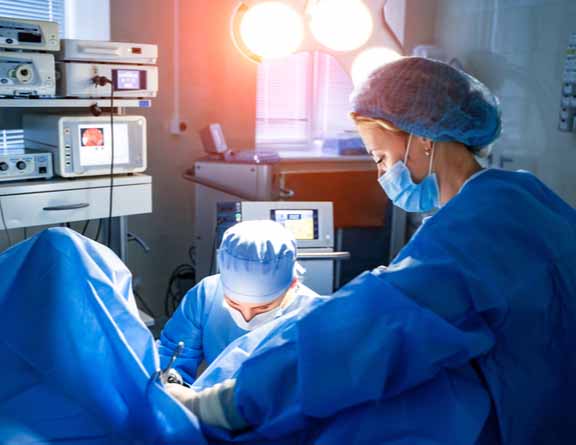
Advanced Stem Cell Transplantation Treatments Available at Pristyn Care in Delhi
At Pristyn Care, we offer advanced stem cell transplantation treatments tailored to treat various conditions. Depending on the patient’s medical needs and condition, we recommend the most suitable treatment option. Below are the main types of stem cell transplantation treatments available:
In this method, stem cells are taken from the patient’s own body, often from bone marrow or fat tissue. These cells are then processed and reintroduced to repair damaged tissues. This method is commonly used for conditions like spinal cord injuries, muscular dystrophies, and knee arthritis, offering a low risk of rejection.
Delivering Seamless Surgical Experience in India
Your safety is taken care of by thermal screening, social distancing, sanitized clinics and hospital rooms, sterilized surgical equipment and mandatory PPE kits during surgery.
A dedicated Care Coordinator assists you throughout the surgery journey from insurance paperwork, to free commute from home to hospital & back and admission-discharge process at the hospital.
Our surgeons spend a lot of time with you to diagnose your condition. You are assisted in all pre-surgery medical diagnostics. We offer advanced laser and laparoscopic surgical treatment. Our procedures are USFDA approved.
We offer free follow-up consultations and instructions including dietary tips as well as exercises to every patient to ensure they have a smooth recovery to their daily routines.
Stem cell transplantation can be used to treat a variety of conditions, including spinal cord injuries, muscular dystrophies, motor neurone disease (ALS), arthritis (particularly knee arthritis), cerebral palsy with global developmental delay, and sports-related injuries, among others. It aims to repair and regenerate damaged tissues, improving mobility and overall function.
Yes, stem cell transplantation is generally considered safe when performed by trained and experienced medical professionals. The procedure is carefully tailored to each patient’s needs, and advancements in technology and research have enhanced its safety and effectiveness.
The suitability for stem cell transplantation depends on your medical condition, the severity of the damage, and your overall health. A thorough assessment by a specialist is important to determine if stem cell therapy is an appropriate option for you.
Recovery time can vary depending on the condition being treated, the type of transplant, and the patient’s overall health. Generally, patients may experience some initial recovery within weeks to months, but full recovery and the benefits of the treatment can take several months to fully manifest.
In Delhi, several types of stem cell transplantation are available, including autologous (using the patient’s own cells), allogeneic (using donor cells), and mesenchymal stem cell therapy. The choice of treatment depends on the specific condition, the patient’s medical history, and the recommendation of the treating doctor.
While stem cell transplantation is generally safe, there can be some risks, such as infection, immune rejection, or graft-versus-host disease (in the case of allogeneic transplants). Your healthcare provider will discuss these risks with you and take steps to minimise them.
The success rate of stem cell transplantation for spinal cord injury can vary depending on factors such as the extent of the injury, the type of stem cells used, and the timing of the procedure. While many patients experience significant improvements, full recovery is not always guaranteed. Clinical research and advancements continue to improve outcomes.
The cost of stem cell transplantation in Delhi can vary depending on factors such as the type of stem cell therapy, the condition being treated, and the medical facility. It is important to consult with your healthcare provider for an accurate estimate of the costs involved, including pre- and post-treatment care.
Determining eligibility for stem cell transplantation requires a comprehensive clinical evaluation. This ensures that patients receive the most appropriate and personalised care based on their specific condition, overall health, and potential to benefit from the therapy. Some of the key conditions where stem cell therapy may be considered include:
Initial Assessments
Before stem cell transplantation, patients typically undergo a series of evaluations to determine suitability:
Preparing for stem cell transplantation is an important step in ensuring a smooth and effective treatment process. Below are key points to help you get ready:
Your healthcare team will review your current condition, medical history, and any previous treatments. It’s important to share full details of any diagnosis, especially in cases such as spinal cord injury, muscular dystrophy, motor neurone disease (ALS), arthritis of the knee, cerebral palsy, or sports-related injuries.
Some medications may need to be paused or adjusted before the procedure. Always inform your doctor about all prescription, over-the-counter, and herbal medicines you are taking.
You may be asked to undergo imaging (e.g. MRI or X-rays), blood tests, or neurological assessments in advance to confirm your eligibility and guide the treatment plan.
Depending on your condition and the treatment protocol, you may require rest or rehabilitation afterwards. It is advisable to arrange for help at home, especially for mobility support, daily care, or therapy sessions.
Speak openly with your medical team about what the treatment involves, including potential benefits and limitations. Understanding the process can help you prepare mentally and emotionally.
After undergoing stem cell transplantation, proper post-procedure care is essential to support healing and maximise the potential benefits of the treatment. The steps below are important for a safe and effective recovery:

Check out our app!


Social Media










_11zon-ca864071060981e9.jpg)