Delhi


Call Us
Book FREE Appointment
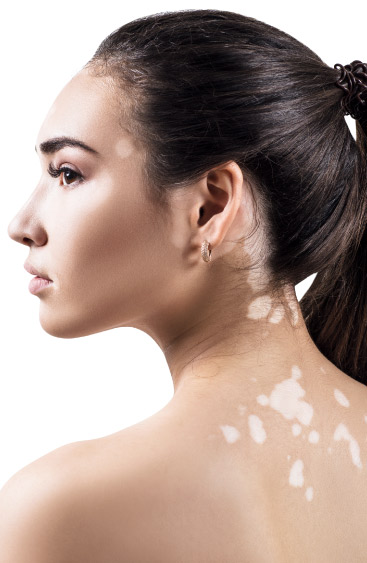
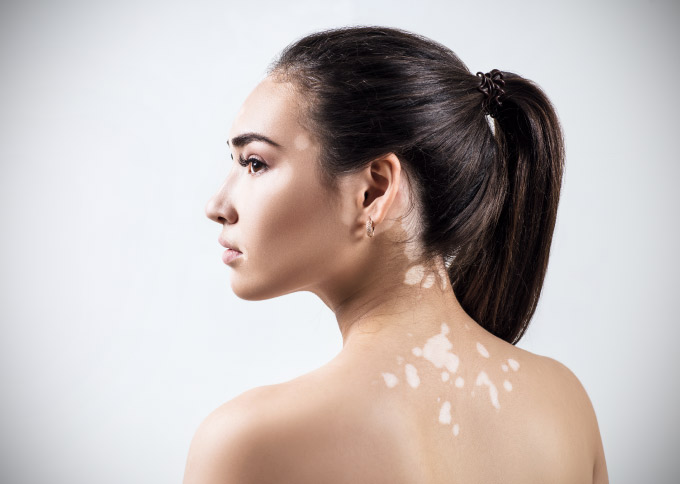
Vitiligo is a long-lasting condition where white patches develop on the skin due to loss of pigment. Although there is no cure, treatments are available to help manage the symptoms.
... Read More





USFDA-Approved Procedure

Patient Centric Approach

1-day Hospitalization

Cost Effective Treatment
We at Pristyn Care perform 4 types of treatment as follows
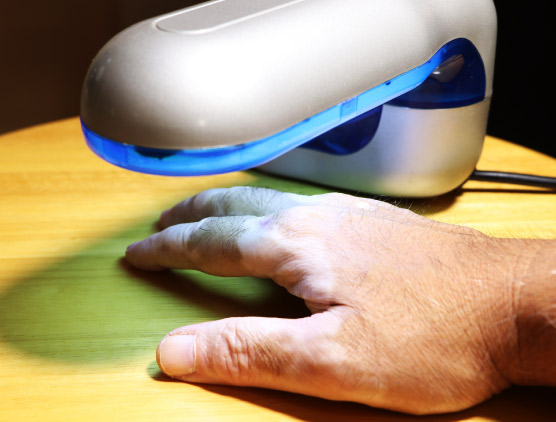
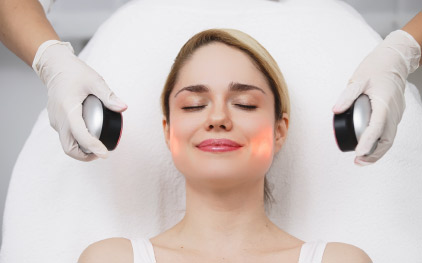
This treatment exposes the skin to a specific type of UVB light, encouraging the return of natural skin colour. Patients usually receive this therapy two to three times a week, and while it may take months to see results, the benefits include effective management of both widespread and localised vitiligo.
This procedure transfers healthy skin cells to vitiligo-affected areas. Best suited for small, stable patches, it restores pigmentation and evens out skin tone. The costs vary based on graft size and location, but the outcomes justify the investment for many.
In this less common approach, doctors create blisters on donor skin using suction and then transfer them to the vitiligo patches. It’s effective for treating small, localised areas.
This treatment exposes the skin to a specific type of UVB light, encouraging the return of natural skin colour. Patients usually receive this therapy two to three times a week, and while it may take months to see results, the benefits include effective management of both widespread and localised vitiligo.
This procedure transfers healthy skin cells to vitiligo-affected areas. Best suited for small, stable patches, it restores pigmentation and evens out skin tone. The costs vary based on graft size and location, but the outcomes justify the investment for many.
In this less common approach, doctors create blisters on donor skin using suction and then transfer them to the vitiligo patches. It’s effective for treating small, localised areas.
Tattooing matches pigment to your skin tone and blends the white patches for a more even skin tone. Dermatologists advise this for visible areas like lips and hands, though results may fade over long periods.
See the remarkable transformations for yourself | Our 'Before & After' Slider highlights the impact of Vitiligo Treatment.


As we age, our face begins to show signs of time - wrinkles, sagging skin and volume loss. Many people turn in to refresh their appearance and feel more confident. We have divided the face into three key areas:



.png)
 Still haven’t found the solution?
 080-6541-4496 Call us now
To reduce the spread of vitiligo, manage stress effectively, protect your skin from sunburn with high-SPF sunscreen, and maintain a healthy diet. Consulting with a dermatologist is crucial. They might suggest treatments like topical corticosteroids or phototherapy based on your condition’s severity and your skin type.
Avoid consuming blueberries, oranges, and other citrus fruits as they contain hydroquinone, a depigmenting agent that might worsen vitiligo. Also, reduce intake of alcohol and foods high in phenols like coffee and spices. Tailor your diet according to any food sensitivities identified by your doctor.
Papayas are beneficial for vitiligo patients. They promote skin health and re-pigmentation as they are rich in vitamins and antioxidants. Incorporating papayas in your diet can support your body’s ability to manage vitiligo, alongside recommended medical treatments.
Vitiligo is a chronic skin condition without a known cure. In some cases, skin pigment can return on its own. However, these instances are rare and unpredictable. Treatment options like phototherapy and topical medications can improve appearance but do not guarantee a permanent cure.
The cost of vitiligo treatment in India varies: Narrowband UVB phototherapy ranges from Rs. 2500 to Rs. 5,000 per session. Surgical treatments such as skin grafting may cost between Rs. 30,000 and Rs. 1,50,000, depending on the procedure’s complexity and the area covered. Costs for blister grafting and micropigmentation also vary widely based on similar factors.
Vitiligo has a genetic component, meaning it can run in families. However, having a family member with vitiligo does not guarantee you will develop it. Environmental factors and immune system health also play significant roles in its manifestation.
Phototherapy is considered one of the most effective treatments for vitiligo, particularly when combined with other treatments like topical steroids or calcineurin inhibitors. This approach requires regular sessions over several months to achieve visible re-pigmentation.
Laser treatments, specifically the Excimer laser, can promote re-pigmentation in vitiligo-affected areas. This treatment is most effective in cases of localised vitiligo and requires multiple sessions to achieve desirable results. Discuss with your dermatologist to determine if it’s suitable for your condition.
Yes, you can live a normal life with vitiligo. Many individuals with vitiligo lead healthy, active lives. Managing the condition involves medical treatment and emotional support, as vitiligo can affect one’s self-esteem. Support groups and counselling can be beneficial.
Most vitiligo treatments, such as topical applications and phototherapy, are not painful. Some patients may experience mild discomfort or side effects like redness or itching. Discuss pain management options with your dermatologist if you are undergoing treatments that might cause discomfort.
Determining eligibility for vitiligo treatment is straightforward. Here are the key criteria:
In Delhi, doctors perform vitiligo treatment using various effective methods. Here’s how each type works:
After undergoing treatment for vitiligo, it’s crucial to care for your skin properly to maximise results:
.svg)

Check out our app!


Surgery
Social Media


© Copyright Pristyncare 2026. All Right Reserved.
Avail FREE Doctor Consultation

Consult with our expert surgeon for more than 50+ diseases

Once you share your details, our care coordinator will get in touch with you.

The coordinator will understand your symptoms and health condition in detail.

Your consultation will be scheduled at the earliest.
3M +
Happy Patients
150 +
Clinics
30 +
Cities

120Cr—Patient Savings Delivered
so patients focus on recovery, not bills.

Complete Transparency
No hidden charges or surprise bills

End-to-End Insurance Handling
Complete insurance processing support

Up to 20% Savings on Every Surgery
powered by smarter insurance handling

Easy EMI Options
Flexible payment plans available
120Cr—Patient Savings Delivered
so patients focus on recovery, not bills.
Complete Transparency
No hidden charges or surprise bills
Thanks for booking!
Our care coordinator will call you shortly.
Get much more with Pristyn Care App


Book Slot for Covid Precaution Dose


Access/Share your and family’s Vaccination Certificate anytime


Create your Ayushman Bharat health account
Book Your FREE Consultation
Consult with our expert surgeon for more than 50+ diseases
Once you share your details, our care coordinator will get in touch with you.
The coordinator will understand your symptoms and health condition in detail.
Your consultation will be scheduled at the earliest.
3M +
Happy Patients
150 +
Clinics
30 +
Cities



.jpg/1711807794014_ban-Icon.png)




_11zon-ca864071060981e9.jpg)