Delhi

Call Us
Book FREE Appointment
Losing vision due to cataracts? Get in touch with Pristyn Care to undergo safe and advanced cataract surgery in Delhi. We leverage minimally invasive techniques to resolve the problem and preserve vision. Book a consultation with our cataract doctors and discuss your treatment options in detail.
... Read More




4.5/5
10+ Years Experience
 C-2/390, Pankha Rd, C4 D Block, Janakpuri
4.5/5
45+ Years Experience
Model Town, Delhi, 1100334.5/5
36+ Years Experience
Swasthya Vihar, New Delhi, Delhi, 1100924.5/5
32+ Years Experience
A-6, Block A, Chittaranjan Park, New Delhi, Delhi 1100484.5/5
22+ Years Experience
GF, E5, Block E, Defence Colony, New Delhi, Delhi 1100244.5/5
16+ Years Experience
Janakpuri, New Delhi, Delhi, 1100464.5/5
14+ Years Experience
A-20, Block A, Meera Bagh, Paschim Vihar, Delhi, 1100874.5/5
11+ Years Experience
Sector 27, Noida, Uttar Pradesh 2013014.5/5
10+ Years Experience
Delhi4.5/5
8+ Years Experience
21A, AD Block, Outer Ring Rd, Shalimar Bagh, Block AD, Dakshini Pitampura, Pitampura, New Delhi, Delhi, 110034| Type of Cataract Lens | Correction | Limitation | Popular Cataract Lens Brand | Cost (In Rs.) |
|---|---|---|---|---|
| Monofocal Lens | Usually Distant Vision | Requires glasses to see near objects | J&J, Medinnium, Abbot/Alcon, Aurolab, Bausch & Lomb, etc. | Rs. 18,000 to Rs. 50,000 approx. |
| Multifocal Lens | Distant & Immediate | Glasses Required for reading only | Abbot, Zeiss, Alcon, Care Group, etc. | Rs. 30,000 to Rs. 90,000 approx. |
| Trifocal Lens | Distant, Far, & Immediate | None | Alcon, Zeiss, Care Group, Bausch & Lomb, etc. | Rs. 30,000 to Rs. 70,000 approx. |
| Toric Lens | Correction of Cylindrical Power | None | Alcon, Abbot, J&J, Aurolab, Zeiss, Bausch & Lomb, etc. | Rs. 30,000 to Rs. 70,000 approx. |

The different types of cataract surgery are explained below-
The most suitable technique for cataract removal is chosen after diagnosing the patient’s condition. At Pristyn Care, we leverage all these techniques depending on the patient’s condition.
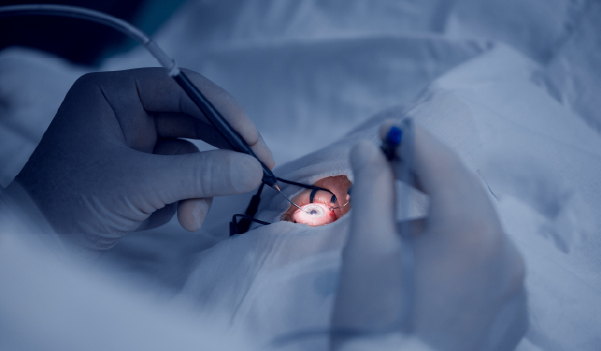
Cataract surgery significantly benefits your eyes by restoring clear vision and improving overall eye health. The procedure involves removing the clouded natural lens and replacing it with an artificial intraocular lens (IOL). This replacement helps eliminate the blurriness, glare, and halos associated with cataracts, allowing for sharp and focused vision.
Improved vision from cataract surgery enhances your ability to perform daily activities, such as reading, driving, and recognizing faces, leading to a better quality of life. It also reduces the risk of accidents and falls, particularly in older adults, by improving depth perception and contrast sensitivity.
In addition to visual clarity, cataract surgery can also help manage other eye conditions. for instance, certain IOLs can correct pre-existing refractive errors like astigmatism, nearsightedness, and farsightedness, potentially reducing the need for glasses or contact lenses. The surgery can also provide an opportunity for the ophthalmologist to address other eye issues, such as glaucoma, during the same procedure.
.webp)

.webp)
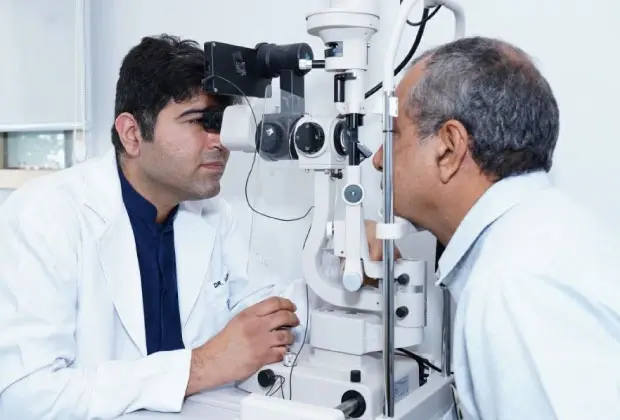
.webp)

Consult the Best Ophthalmologist Near you
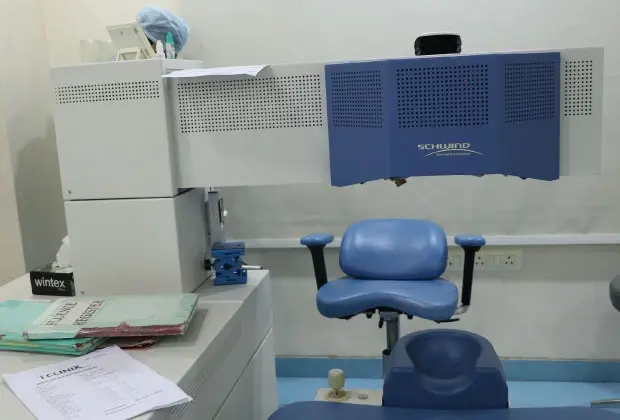
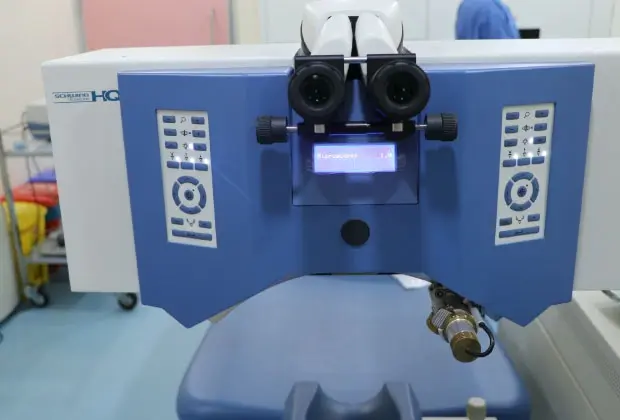
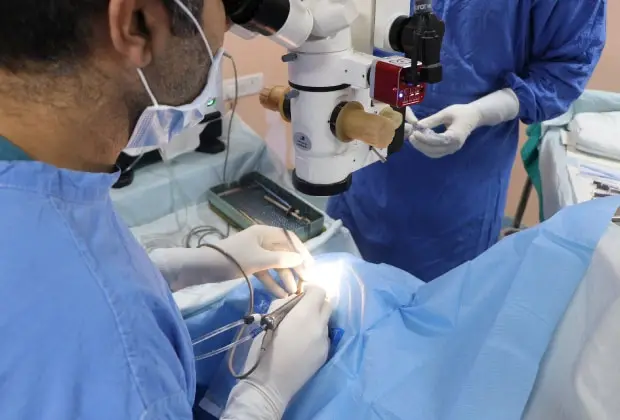
At Pristyn Care, we leverage traditional and modern techniques to remove cataracts safely. The technologies used are phacoemulsification, Femtosecond Laser-assisted surgery, Microincision cataract surgery, and others as required.
We use Indian and Foreign intraocular lenses to ensure our patients get the best options. We also have lenses of popular and reliable brands with various features and functionalities suitable for the patient’s needs.
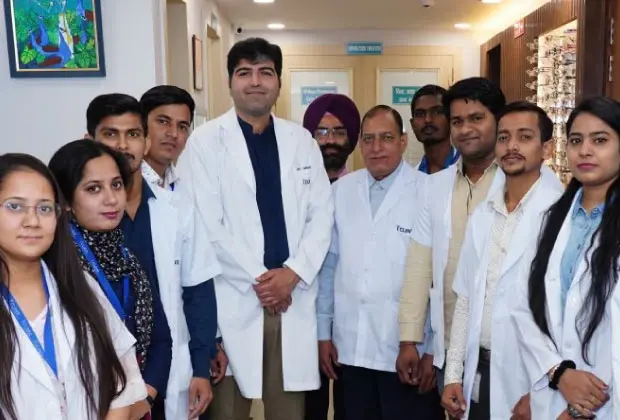
Pristyn Care has a dedicated team of ophthalmologists with more than 10+ years of experience and specialization in performing different types of cataract surgery with a success rate higher than 95%.
We provide a detailed recovery guide and multiple post-surgery consultations to the patients without additional charges. The goal is to ensure that the patient’s eye recovers properly after the surgery.
 Still haven’t found the solution?
 080-6541-4464 Call us now
The best lens for cataract surgery will depend on the patient’s vision and refractive errors that need to be corrected. While monofocal lenses are the ones that are most commonly used, some patients may benefit from other types of lenses. So, while you are choosing the lens, consider the following factors-
Talk to your eye doctor and discuss which type of lens can give you more realistic results in terms of vision improvement. You can book a quick consultation with Pristyn Care doctors to get advanced cataract surgery in Delhi.
The vision quality improvement after cataract surgery is subjective to the patient’s eye health. Generally, cataract surgery outcomes are focused on the visual acuity and refractive status of the patient after the treatment.
Typically, the vision restoration is the same as before the cataract started developing in the eye. If you had refractive errors before cataract development, the vision would still be blurry. However, if you choose to get premium cataract lenses that address refractive errors, you will notice a major improvement in your vision quality.
The cataract doctor will guide you at every step during the cataract treatment. The doctor will explain what the surgery entails during the initial consultation and prepare you mentally. Other preparations that are generally done before cataract surgery involve the following-
On the day of surgery, the doctor may also ask you to avoid eating and drinking anything 6-8 hours prior to the surgery.
There are no studies that help to prevent cataracts. However, doctors usually suggest some things that make it possible to detect cataracts at an early stage and improve overall eye health. These things include-
The cataract grading system is the metric used to determine the severity of the condition. for each type of cataract, the grading system is slightly different.
During the recovery period, the patient is instructed to follow some tips that are essential to ensure a faster and smoother recovery. So, here are some dos and don’ts that you should follow after cataract surgery.
Dos
Don’ts
Some common cataract surgery complications include-
Other than these, other more serious complications can also arise if the patient fails to care for the eyes. The serious complications include-
There are many misconceptions about cataract treatment. The most common is that cataracts can be treated or managed with eye drops. However, the eye drops available at pharmacies and medical centers are not effective in managing cataract symptoms or reversing the condition. The only cure for cataracts is surgery.
Generally, doctors suggest that maintaining a healthy lifestyle and taking good care of the eyes can slow the progression of cataracts. However, there is no evidence that proves this theory. The right approach for cataract treatment is looking out for problematic symptoms and undergoing cataract surgery at the right time. Typically, eye specialists recommend cataract surgery before the condition reaches the hypermature stage.
Pristyn Care simplifies the surgical journey of the patient and provides comprehensive care from the start to the end. In addition, we provide services that are beneficial for the patients, including-
After the cataract surgery, you can watch TV right away. However, things may look blurry at first but cloudy vision subsides soon. It may take 1 to 3 days for most people to return to work or a normal lifestyle with certain precautions and eyeglasses, especially for reading. Contact your cataract surgeon in case you experience any difficulty or strain in the eyes after your surgery.
A mature cataract is denser than an immature cataract. The symptoms involve blurry vision, double vision, glares, and halos around the light sources. An immature cataract only causes minor vision problems and doesnt affect the quality of the life of the individual. Mature cataract symptoms are much worse and very likely to affect the individual’s quality of life. Even reading becomes difficult when the cataract matures. Cataract surgery is usually recommended at this stage.
After a thorough and comprehensive eye evaluation, Cataract surgeons at Pristyn Care come into the play. Doctors will discuss with you the diagnosis of cataract because this will help them to judge for glasses or surgery. In the absence of any eye disease that may affect your vision, the eye surgeon will discuss with you the possibility of cataract surgery in Delhi, and its available techniques.
If you have been diagnosed with any type of cataract, get in touch with Pristyn Care and discuss the treatment options. In Delhi, we provide advanced cataract treatment using MICS and FLACS techniques. Being one of the leading healthcare providers, we ensure that our patients get best-in-class treatment at cost-effective prices.
We are partnered with the best cataract hospitals in Delhi that have the latest USFDA-approved surgical and diagnostic tools. Our doctors are well-versed in all types of cataract surgeries and have specialized training in minimally invasive procedures. You can rest assured knowing that the surgery will be performed by highly experienced cataract surgeons. Pristyn Care takes care of every aspect of treatment and provides assistance throughout the journey for a hassle-free experience.
| Sr.No. | Doctor Name | Registration Number | Ratings | Experience | Book Appointment |
|---|---|---|---|---|---|
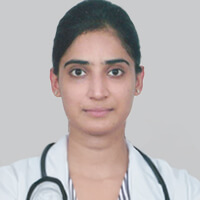
| 1 | Dr. Barkha Gupta | DMC/R/15104 | 4.5 | 10+ + Years | Book Appointment |
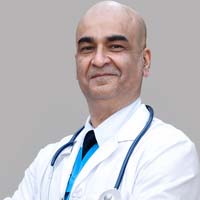
| 2 | Dr. Sunil Kumar Narang | 2946 | 4.5 | 45+ + Years | Book Appointment |
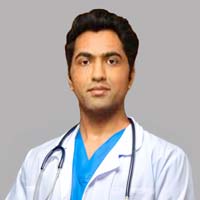
| 3 | Dr. Kamal Bandhu Kapur | 6797 | 4.5 | 36+ + Years | Book Appointment |
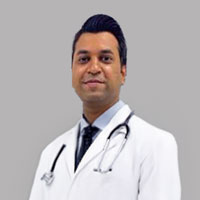
| 4 | Dr. Vinay Kumar Garodia | 7589 | 4.5 | 32+ + Years | Book Appointment |
| 5 | Dr. Surabhi Dutt | 43934 | 4.5 | 22+ + Years | Book Appointment |
| 6 | Dr. Anurag Shandil | 70989 | 4.5 | 16+ + Years | Book Appointment |
| 7 | Dr. Ankit Garg | 62058 | 4.5 | 14+ + Years | Book Appointment |
| 8 | Dr. Mohtasham Tauheed | 71601 | 4.5 | 11+ + Years | Book Appointment |
| 9 | Dr. Mrityunjay Singh | DMC/R/16825 | 4.5 | 10+ + Years | Book Appointment |
| 10 | Dr. Kumar Kartikay Rajaura | DMC/R/20438 | 4.5 | 8+ + Years | Book Appointment |
The cost of cataract surgery in Delhi generally ranges from ₹18,000 to ₹90,000 per eye, depending on the type of surgery, intraocular lens (IOL) selected, hospital, surgeon’s expertise, and diagnostic tests. Standard monofocal lenses are more affordable, while premium multifocal, trifocal, and toric lenses cost more. During your consultation, the ophthalmologist recommends the most suitable lens based on your vision needs and budget.
Cataract surgery is covered by all health insurance policies and costs around Rs. 35,000 to Rs. 1,00,000 approx. These are some terms and conditions that may vary from one insurance company to another. Many plans have a waiting period before they will begin to cover the costs of the surgery, so it is important to plan ahead before going for cataract treatment in Delhi. Therefore, it is always advised to talk to the insurance provider beforehand and have a clear understanding of the terms and conditions.
Recovery after cataract surgery is usually quick when you follow your doctor’s instructions carefully. Use prescribed eye drops regularly, avoid rubbing your eyes, wear protective sunglasses outdoors, avoid swimming or heavy lifting for at least two weeks, and attend all follow-up appointments. Eating foods rich in vitamins A, C, E, zinc, and omega 3 fatty acids may also support eye healing. Most patients notice significant improvement in vision within a few days, while complete healing generally takes 4 to 6 weeks.
Yes. Mild blurred vision during the first few days after cataract surgery is common because the eye needs time to heal and adjust to the new artificial lens. Vision usually becomes clearer within a few days to a few weeks. However, if blurred vision worsens or is accompanied by severe pain, redness, flashes of light, or sudden vision loss, contact your eye surgeon immediately as these may indicate complications requiring prompt treatment.
The best cataract surgery depends on your eye condition, lifestyle, and vision requirements. Modern procedures such as Phacoemulsification, Microincision Cataract Surgery (MICS), and Femtosecond Laser Assisted Cataract Surgery (FLACS) offer faster recovery, smaller incisions, minimal discomfort, and excellent visual outcomes. An experienced ophthalmologist can recommend the most suitable technique after a detailed eye examination.
No. A cataract cannot grow back after it has been removed because the natural cloudy lens is permanently replaced with an artificial intraocular lens (IOL). However, some patients may develop a condition called posterior capsule opacification (secondary cataract), which causes blurry vision months or years later. It is not a true cataract and can be treated quickly with a painless YAG laser procedure.
The best cataract lens depends on your vision goals and budget. Monofocal lenses provide clear distance vision but usually require reading glasses. Multifocal and trifocal lenses help reduce dependence on glasses by improving both near and distance vision. Toric lenses are designed for patients with astigmatism. Your eye surgeon will recommend the most appropriate lens after evaluating your eye health and lifestyle.
Cataract surgery is one of the quickest eye procedures and usually takes 15 to 30 minutes per eye. It is commonly performed as a daycare procedure under local anesthesia, allowing most patients to return home on the same day. While the surgery itself is short, you should expect to spend a few hours at the hospital for preoperative preparation and postoperative observation.
 RP
RPRana Pratap

 Recommends
Recommends
During test and it was diagnosed that no cataract issue with me. No extra test recomend by the doctor. I m satisfied with this eye hospital.
.svg) KB
KBKeshav Basor
Recommends
Recommends
Clinic is very neat and clean and staff also behavior like family
.svg) RK
RKRoop khanna
Recommends
Recommends
From start to finish everything was taken care for me. I would highly recommend pristyn care to people who need quality service
DRDharam Raj Mourya
Recommends
Recommends
Right


.svg)

Check out our app!


Surgery
Social Media


© Copyright Pristyncare 2026. All Right Reserved.
Avail FREE Doctor Consultation

Consult with our expert surgeon for more than 50+ diseases

Once you share your details, our care coordinator will get in touch with you.

The coordinator will understand your symptoms and health condition in detail.

Your consultation will be scheduled at the earliest.
3M +
Happy Patients
150 +
Clinics
30 +
Cities

120Cr—Patient Savings Delivered
so patients focus on recovery, not bills.

Complete Transparency
No hidden charges or surprise bills

End-to-End Insurance Handling
Complete insurance processing support

Up to 20% Savings on Every Surgery
powered by smarter insurance handling

Easy EMI Options
Flexible payment plans available
120Cr—Patient Savings Delivered
so patients focus on recovery, not bills.
Complete Transparency
No hidden charges or surprise bills
Thanks for booking!
Our care coordinator will call you shortly.
Get much more with Pristyn Care App


Book Slot for Covid Precaution Dose


Access/Share your and family’s Vaccination Certificate anytime


Create your Ayushman Bharat health account


Book Your FREE Consultation
Consult with our expert surgeon for more than 50+ diseases
Once you share your details, our care coordinator will get in touch with you.
The coordinator will understand your symptoms and health condition in detail.
Your consultation will be scheduled at the earliest.
3M +
Happy Patients
150 +
Clinics
30 +
Cities