Madurai


Call Us
Book FREE Appointment
Looking for the best molar pregnancy treatment in Madurai? Visit Pristyn Care and consult our top female Gynaecologist in Madurai for safe and confidential molar pregnancy treatment. Walk-in consultations are available.
... Read More







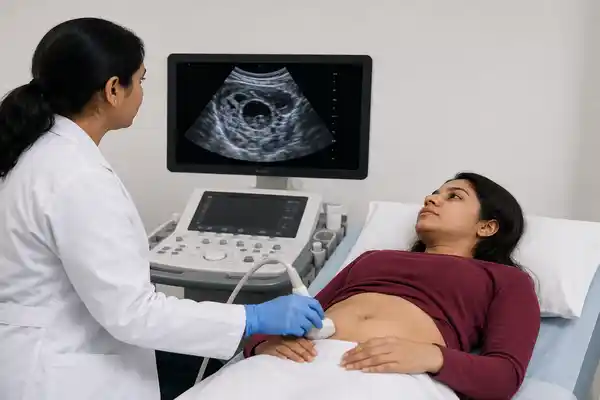
The doctor suggests a few diagnostic tests to determine the best treatment for molar pregnancy:
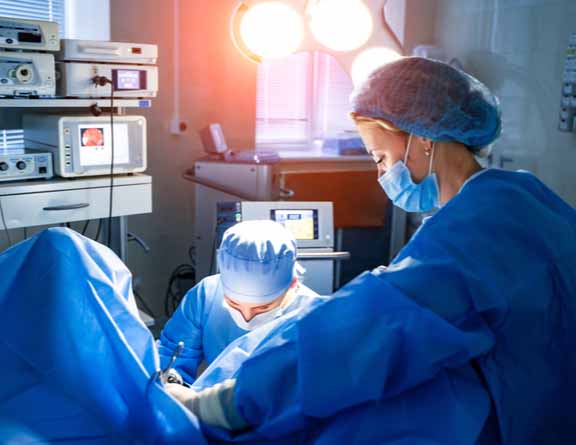
Molar pregnancy involves excessive growth of trophoblast cells and delay can lead to serious complications, including a rare form of cancer. Treatment is done by medication or surgery.
Delivering Seamless Surgical Experience in India
Get safe and confidential treatment from experienced gynaecologists in Delhi. We offer accurate diagnosis, advanced treatment options, and personalized support to help ensure a smooth and healthy recovery.
A dedicated Care Coordinator assists you throughout the surgery journey from insurance paperwork, to free commute from home to hospital & back and admission-discharge process at the hospital.
Our surgeons spend a lot of time with you to diagnose your condition. You are assisted in all pre-surgery medical diagnostics. We offer advanced laser and laparoscopic surgical treatment. Our procedures are USFDA approved.
We offer free follow-up consultations and instructions including dietary tips as well as exercises to every patient to ensure they have a smooth recovery to their daily routines.
 Still haven’t found the solution?
 080-6510-5194 Call us now
Here is the list of questions you should ask your gynaecologist to understand the treatment procedure and associated risks.
Treatment options for termination of molar pregnancy depends on the severity of the condition. Medication is usually prescribed for partial molar pregnancy to make the womb contract and get rid of the normal cell. While surgery is suggested in most severe cases.
There is no particular way to prevent molar pregnancy. If you had a previous molar pregnancy, then consult your doctor and ask them about the chances of its recurrence.
If molar pregnancy is left untreated or not evacuated completely, it can lead to serious conditions known as gestational trophoblastic neoplasia. It can progress and shows signs of malignancy in the wall of the uterus.
.svg)

Check out our app!


Surgery
Social Media


© Copyright Pristyncare 2026. All Right Reserved.
Avail FREE Doctor Consultation

Consult with our expert surgeon for more than 50+ diseases

Once you share your details, our care coordinator will get in touch with you.

The coordinator will understand your symptoms and health condition in detail.

Your consultation will be scheduled at the earliest.
3M +
Happy Patients
150 +
Clinics
30 +
Cities

120Cr—Patient Savings Delivered
so patients focus on recovery, not bills.

Complete Transparency
No hidden charges or surprise bills

End-to-End Insurance Handling
Complete insurance processing support

Up to 20% Savings on Every Surgery
powered by smarter insurance handling

Easy EMI Options
Flexible payment plans available
120Cr—Patient Savings Delivered
so patients focus on recovery, not bills.
Complete Transparency
No hidden charges or surprise bills
Thanks for booking!
Our care coordinator will call you shortly.
Get much more with Pristyn Care App


Book Slot for Covid Precaution Dose


Access/Share your and family’s Vaccination Certificate anytime


Create your Ayushman Bharat health account

Book Your FREE Consultation
Consult with our expert surgeon for more than 50+ diseases
Once you share your details, our care coordinator will get in touch with you.
The coordinator will understand your symptoms and health condition in detail.
Your consultation will be scheduled at the earliest.
3M +
Happy Patients
150 +
Clinics
30 +
Cities