Ahmedabad


Call Us
Book FREE Appointment
If you have been diagnosed with kidney stones, it may hinder the flow of urine and necessitate the placement of a DJ stent. Consult the best urologist in Ahmedabad for DJ stenting at Pristyn Care. Fill in the form or call us on the number mentioned on this page for DJ stent treatment in Ahmedabad.
... Read More




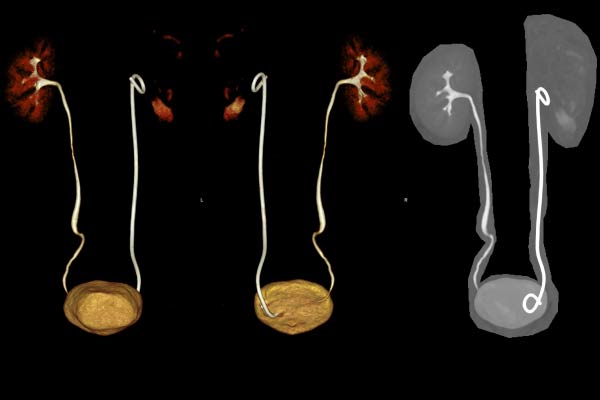
The following are some indications of a DJ Stent:
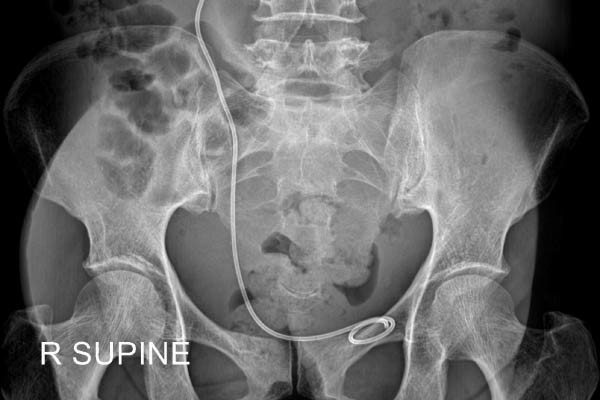
Inserting a DJ (double-J) stent typically involves the following steps:
Delivering Seamless Surgical Experience in India
Your safety is taken care of by thermal screening, social distancing, sanitized clinics and hospital rooms, sterilized surgical equipment and mandatory PPE kits during surgery.
A dedicated Care Coordinator assists you throughout the surgery journey from insurance paperwork, to free commute from home to hospital & back and admission-discharge process at the hospital.
Our surgeons spend a lot of time with you to diagnose your condition. You are assisted in all pre-surgery medical diagnostics. We offer advanced laser and laparoscopic surgical treatment. Our procedures are USFDA approved.
We offer free follow-up consultations and instructions including dietary tips as well as exercises to every patient to ensure they have a smooth recovery to their daily routines.
 Still haven’t found the solution?
 080-6510-5277 Call us now
Urologists prefer placing a DJ stent for the following advantages that it offers:
Although DJ stents are generally safe, they may carry some potential complications:
The placement of a DJ stent typically takes around 20 to 30 minutes to complete. This minimally invasive procedure is performed under sedation or local anesthesia, and patients are usually discharged shortly after with minimal downtime.
No, a double-J (DJ) stent is not permanent and must be removed or replaced within 6 weeks to 6 months.
No, a DJ stent is not always required for kidney stones. It is typically used in cases where the stone obstructs the urinary flow, resulting in symptoms like severe pain, hydronephrosis (swelling of the kidney), or infection. The decision to use a stent depends on the urologist after careful observation of the anatomy of the kidney stone and the treatment approach.
A DJ stent alone cannot remove a kidney stone. Its primary function is to relieve urinary obstruction caused by the stone by facilitating urine drainage from the kidney to the bladder. Additional kidney stone treatments like PCNL, URSL, ESWL or RIRS may be required to eliminate the kidney stone.
.svg)

Check out our app!


Surgery
Social Media


© Copyright Pristyncare 2026. All Right Reserved.
Avail FREE Doctor Consultation

Consult with our expert surgeon for more than 50+ diseases

Once you share your details, our care coordinator will get in touch with you.

The coordinator will understand your symptoms and health condition in detail.

Your consultation will be scheduled at the earliest.
3M +
Happy Patients
150 +
Clinics
30 +
Cities

120Cr—Patient Savings Delivered
so patients focus on recovery, not bills.

Complete Transparency
No hidden charges or surprise bills

End-to-End Insurance Handling
Complete insurance processing support

Up to 20% Savings on Every Surgery
powered by smarter insurance handling

Easy EMI Options
Flexible payment plans available
120Cr—Patient Savings Delivered
so patients focus on recovery, not bills.
Complete Transparency
No hidden charges or surprise bills
Thanks for booking!
Our care coordinator will call you shortly.
Get much more with Pristyn Care App


Book Slot for Covid Precaution Dose


Access/Share your and family’s Vaccination Certificate anytime


Create your Ayushman Bharat health account

Book Your FREE Consultation
Consult with our expert surgeon for more than 50+ diseases
Once you share your details, our care coordinator will get in touch with you.
The coordinator will understand your symptoms and health condition in detail.
Your consultation will be scheduled at the earliest.
3M +
Happy Patients
150 +
Clinics
30 +
Cities