phone icon in white color

Call Us

Book Free Appointment

About AV Fistula

AV fistula (AVF) stands for arteriovenous fistula, which is a surgical connection created between an artery and a vein with the help of an AV shunt. The role of the AV fistula is to provide a channel or access point that is capable of withstanding the dialysis treatment multiple times without causing any damage. It is generally created in the arm or legs. The fistula is important for people who have chronic kidney diseases and have to receive hemodialysis 2-3 times a week.

If your kidney doctor or nephrologist has recommended that you should undergo AV fistula surgery for dialysis, you can get in touch with us and consult our vascular specialists at your convenience.

Overview

Types of AV Fistula for Dialysis
  • Radial Cephalic fistula
  • Brachial Cephalic fistula
  • Brachial Basilic fistula
Risks & Complications
  • Clotting of the fistula
  • Steal Syndrome
  • Infection
  • Swelling
AV Fistula Maturation (6S Rule)
  • The flow within the fistula is greater than 600 mL/min.
  • Diameter of the fistula is around 6mm.
  • It must be 6mm below the skin.
  • Minimum 6 cm of the vein is used for cannulation.
  • A thorough examination of the fistula is needed after 6 weeks.

Diagnosis and Procedure

Diagnosis for AV Fistula

Diagnosis for AV Fistula:

  • Doctor reviews medical history to check for underlying conditions like CKD, diabetes, or peripheral vascular disease.
  • Preoperative assessment of arteries and veins is done for safe AV fistula planning.
  • Imaging tests such as Doppler ultrasound, CT angiogram, MRA, and modified Allen test evaluate axillary, brachial, radial, and ulnar pulses.
  • Ultrasound/angiogram helps assess vessel size and depth.
  • This vessel mapping determines if AV fistula creation is suitable.
Read More
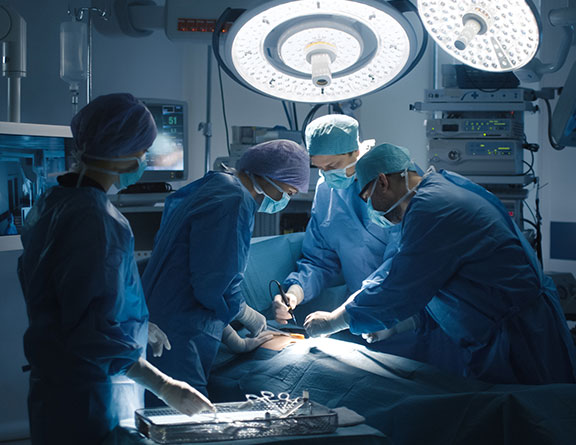
Doctors performing laser surgery for av fistula

AV Fistula Surgery Procedure:

  • Surgeon reviews medical history and performs arterial-venous assessment before AV fistula creation.
  • Imaging tests like Doppler ultrasound, CT angiogram, MRA, and modified Allen test help evaluate vessel health.
  • Ultrasound/angiogram checks vessel size and depth; this vessel mapping confirms suitability for AV fistula.
  • Under local anesthesia, a small incision is made on the non-dominant arm.
  • Artery and vein are joined to create the fistula; incision closed with dissolvable stitches.
  • Minimally invasive, outpatient procedure completed in about an hour.
Read More

Why Pristyn Care?

Delivering Seamless Surgical Experience in India

01

Pristyn Care is COVID-19 safe

Your safety is taken care of by thermal screening, social distancing, sanitized clinics and hospital rooms, sterilized surgical equipment and mandatory PPE kits during surgery.

02

Assisted Surgery Experience

A dedicated Care Coordinator assists you throughout the surgery journey from insurance paperwork, to free commute from home to hospital & back and admission-discharge process at the hospital.

03

Medical Expertise With Technology

Our surgeons spend a lot of time with you to diagnose your condition. You are assisted in all pre-surgery medical diagnostics. We offer advanced laser and laparoscopic surgical treatment. Our procedures are USFDA approved.

04

Post Surgery Care

We offer free follow-up consultations and instructions including dietary tips as well as exercises to every patient to ensure they have a smooth recovery to their daily routines.

care service Still haven’t found the solution?
phone icon080-6541-7852 Call us now

What is the Need for an Arteriovenous Fistula for Dialysis?

An arteriovenous fistula is very important for patients who have to undergo dialysis due to kidney failure. During dialysis, the impure blood is taken out from the veins, filtered outside the body with the help of a dialysis machine, and then the pure blood is transferred to the arteries.

The same procedure is repeated multiple times until the patient finds a healthy kidney for transplant.

To make the dialysis successful, it is important that the blood vessels can bear the pressure of the blood entering them. Typically, the veins are small and only about 30-40 ml of blood flows through them per minute. The goal is to make the veins strong and thick enough that they can tolerate the blood pressure and frequent insertion/exertion of the dialysis needles.

This is why an arteriovenous (AV) fistula is needed for long-term and adequate hemodialysis treatment.

What are the Advantages of the AV Fistula Created for Dialysis?

  • AV fistula is a long-lasting and more effective form of vascular access.
  • The procedure doesn’t involve the implantation of any synthetic or artificial material in the body.
  • Creates a safe channel for the blood flow and decreases the time of dialysis as well.
  • The AV fistula has minimal risks of infection and is less prone to clotting and other problems associated with dialysis access.
  • Recovery after the AV fistula surgery is fast and the patient will be able to resume daily activities as expected.

What are the Risks Associated with Arteriovenous Fistula (AVF) Surgery?

Similar to other surgeries, the creation of an AV fistula also has some potential risks and complications. However, only a minority of the patients experience these complications.

  • Clotting of Fistula- Blood clotting may happen and disrupt the blood flow in the arteries or veins.
  • Steal Syndrome- When a large amount of blood flows from the artery to the vein, it can reduce the blood supply in the hands and fingers, leading to symptoms like cold and numb fingers. This phenomenon is known as steal syndrome, and if this happens, revision surgery will be performed to improve the blood flow.
  • Infection- Another possible complication of the arteriovenous fistula is wound infection. It will require antibiotics for treatment.
  • Swelling- This complication usually arises when a graft is used to create the fistula. It can be resolved by raising the arm above the level of the heart and performing some finger exercises.

An experienced vascular specialist can mitigate most of the risks associated with surgery.

Take Proper Care of the Arteriovenous Fistula for Dialysis

  • Keep the AVF clean. Wash the arm every day, especially before the dialysis treatment.
  • Make sure that you don’t press the fistula or wear tight clothes as it can compress the arm.
  • The kidney doctor will teach you how to check the pulse or vibration through the fistula. You will have to check the pulse every day to ensure that the fistula is not blocked.
  • Never allow the lab technician or doctors to take blood pressure or blood samples from the arm that has the fistula. It will increase the risk of damage to the fistula and blood clotting.
  • Avoid lifting heavy objects as it will put direct pressure on the fistula.
  • Make sure that the site of the AVF is not cut or injured.

Read More

Frequently Asked Questions

Who are the top doctors for Av Fistula treatment in Agra?

At Pristyn Care, we have a team of highly experienced and qualified doctors who specialize in providing advanced treatments with a patient-first approach.

Why do the veins need to be enlarged for hemodialysis treatment?

The normal veins in the body carry smaller amounts of blood as compared to arteries which makes it harder for the dialysis machine to filter blood efficiently. The AV fistula makes extra blood flow through the veins regularly that leads to enlargement of the vein and makes it stronger. Untreated veins would collapse due to repeated needle insertions and under strong suction. Thus, it is crucial that the veins are enlarged and strong to bear the extra pressure and extra blood flow.

Which artery and vein is used commonly to create an Arteriovenous fistula for dialysis?

In most cases, the radial artery and the cephalic vein in the patient’s wrist are combined to create the AV fistula for dialysis treatment.

Where can I find the best vascular surgeons for AV Fistula?

Whether you are living in Agra or any other city in India, Pristyn Care is the best place to find the most qualified and experienced surgeons. We have a dedicated team of vascular surgeons who have more than 15 years of experience in performing vascular access surgeries safely. You can rely on their expertise and get the respective treatment from them.

What is the alternative method to AV fistula for dialysis?

The alternative method used for patients who cannot undergo AV fistula surgery due to weakness in blood vessels is AV graft surgery or venous catheter. In the graft surgery procedure, an artificial vein is installed in the body that allows dialysis. If immediate dialysis is required, the same can be done with the help of a venous catheter until the long-term solution is created.

Will AV fistula surgery leave a scar?

As the skin is cut to create a fistula, there will be a visible scar on the skin. Over time, as the skin heals from the surgery, the scar will fade away and may become unnoticeable.

How long will it take to recover after AV fistula surgery?

Generally, it will take almost a month or so to recover completely after undergoing an AV fistula or vascular access surgery. The exact recovery time will be different for each individual. Thus, the surgeon will give you an estimate and plan for faster recovery.

When should you take follow-up after AVF surgery?

You will have to take 2-3 follow-ups after undergoing AVF surgery for dialysis. The first follow-up will be recommended within 7-10 days to see if the body is healing properly. The second follow-up will be done after 3-4 weeks to ensure that the fistula is working and there are no complications. When the recovery is complete, the final follow-up will take place after 6 weeks to check whether the fistula has matured or not.

Videos

AV Fistula Treatment in Top cities

expand icon

AV Fistula Surgery Cost in Top Cities

expand icon

AV Fistula Treatment in Other Near By Cities

expand icon
Disclaimer: **The result and experience may vary from patient to patient.. ***By submitting the form or calling, you agree to receive important updates and marketing communications.

© Copyright Pristyncare 2025. All Right Reserved.