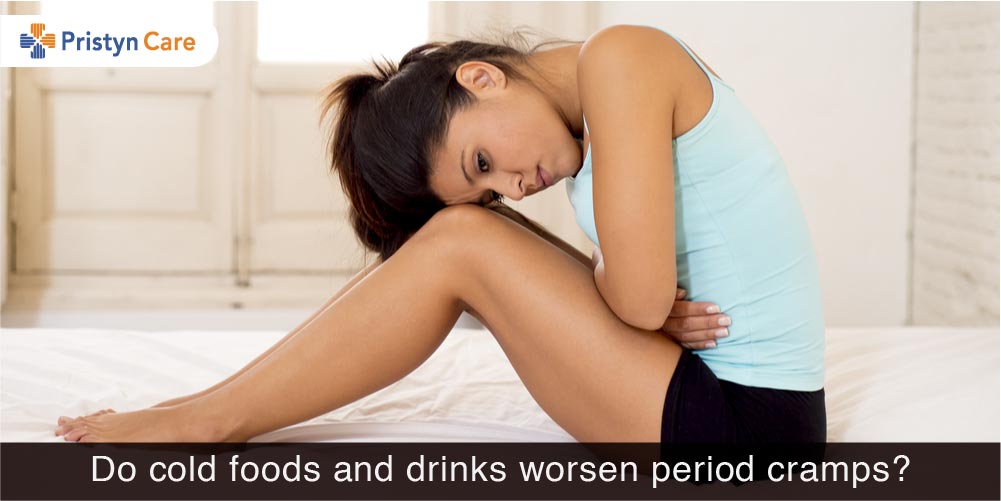
Period cramps, fatigue, bloating, headaches and mood changes are common during menstruation. What you eat and drink during your period can affect how you feel, although food alone cannot prevent or cure menstrual cramps. A balanced diet, adequate hydration, regular physical activity and simple measures such as heat therapy may help manage period discomfort.
Many people also wonder whether they should avoid cold foods, dairy products, coffee or certain other foods during their periods. There is no universal list of foods that every woman needs to avoid. However, some foods and drinks may worsen bloating, digestive discomfort or other symptoms in certain people.
Table of Contents
Do cold foods affect period cramps?

There is no strong scientific evidence that eating cold foods or drinking cold beverages directly causes or worsens menstrual cramps. Some women may personally find that very cold foods or drinks increase digestive discomfort during their period, while others can consume them without any problem.
Menstrual cramps mainly occur because the uterus contracts to shed its lining. Chemicals called prostaglandins play an important role in triggering these contractions. Higher levels of prostaglandins are associated with more painful cramps. Therefore, if you notice that a particular food or drink makes your symptoms worse, it is reasonable to limit it during your period.
Can you have dairy products during periods?

Yes, most people can have dairy products during their periods. Milk, curd, yogurt and other dairy foods can provide calcium and protein, which are important nutrients for overall health. There is no need to completely avoid dairy unless you are lactose intolerant, allergic to milk or notice that certain dairy foods trigger bloating or digestive discomfort.
Instead of avoiding an entire food group, pay attention to how your body responds. Plain curd or yogurt can be a convenient option if it suits your digestion. Choosing less sugary dairy products may also help you avoid excessive added sugar during your period.
Foods to limit during periods

You do not necessarily have to completely avoid any particular food during menstruation. However, some foods and drinks may contribute to bloating, water retention, digestive problems or sleep disturbances and may make you feel worse.
- Highly processed foods: Packaged snacks and heavily processed foods can be high in sodium, added sugar and unhealthy fats.
- Very salty foods: Excess sodium can contribute to water retention and bloating.
- Excess caffeine: Large amounts of caffeine may affect sleep, anxiety and digestive symptoms in some people.
- Alcohol: Alcohol can contribute to dehydration and may worsen some premenstrual symptoms.
- Deep-fried and very fatty foods: These may trigger bloating, acidity or digestive discomfort in some people.
- Excess sugary foods: Large amounts of added sugar may cause energy fluctuations and may not be ideal when you are already experiencing fatigue.
Also Read: How Dangerous Are Processed Foods?
Foods to eat during periods

During your period, focus on a balanced diet containing vegetables, fruits, whole grains, protein and healthy fats. Staying hydrated is equally important, particularly if you experience bloating, constipation or fatigue.
- Bananas: Provide potassium, carbohydrates and fiber and can be an easy snack during your period.
- Leafy green vegetables: Provide folate, magnesium, iron and other essential nutrients.
- Whole grains: Oats, brown rice and other whole grains provide fiber and can support healthy digestion.
- Yogurt or curd: Provides protein and calcium if you tolerate dairy well.
- Fatty fish: Salmon and other oily fish provide omega-3 fatty acids.
- Fruits: Water-rich fruits such as watermelon and oranges can contribute to hydration.
- Nuts and seeds: These provide healthy fats, magnesium and other nutrients.
5 Effective Tips to Manage Period Cramps
-
Eat a Balanced Diet

Make sure your regular diet contains adequate amounts of iron, calcium, magnesium, protein, fiber and other essential nutrients. Nutritional deficiencies can affect overall health and energy levels. If you have heavy periods or frequently feel unusually tired, speak with a doctor about whether you need an evaluation for anemia or another nutritional deficiency.
-
Stay Hydrated
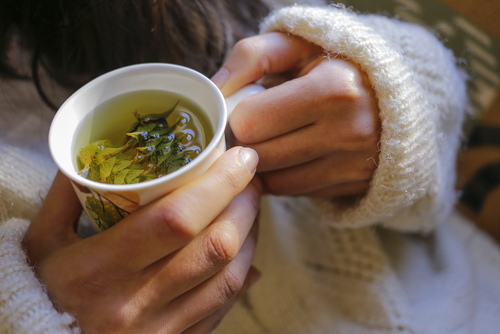
Drink enough water throughout the day. Warm water, soups and caffeine-free herbal beverages can also be comforting when you have period discomfort. There is no need to force excessive amounts of fluids; drink according to your thirst and routine.
-
Include More Fruits and Vegetables

Fruits and vegetables provide fiber, vitamins, minerals and antioxidants. Leafy greens, bananas, citrus fruits and other colorful vegetables and fruits can be included as part of a balanced diet during menstruation.
-
Limit Excess Caffeine

If coffee or other caffeinated drinks make you feel more anxious, bloated or uncomfortable during your period, consider reducing your intake. Excess caffeine may also interfere with sleep, which can make fatigue feel worse.
-
Use a Heating Pad

Applying a heating pad or hot-water bottle to the lower abdomen can help relax muscles and provide relief from menstrual cramps. Use a comfortably warm temperature and avoid placing very hot objects directly against the skin to prevent burns.
When should you see a gynecologist for period cramps?
Mild to moderate period cramps are common, but severe or worsening pain should not simply be considered normal. Talk to a gynecologist if your period pain regularly interferes with work, school, sleep or daily activities, or if you have symptoms such as unusually heavy bleeding, bleeding between periods, pain during sex, fever, dizziness or persistent pelvic pain.
Severe menstrual pain can sometimes be associated with conditions such as endometriosis, adenomyosis, uterine fibroids or pelvic infections. A gynecologist can evaluate your symptoms and recommend appropriate treatment.
If changing your diet and trying simple home measures does not provide adequate relief, it is best to consult a gynecologist rather than relying only on home remedies.