.jpg/1756293297805_ban-Icon.png)


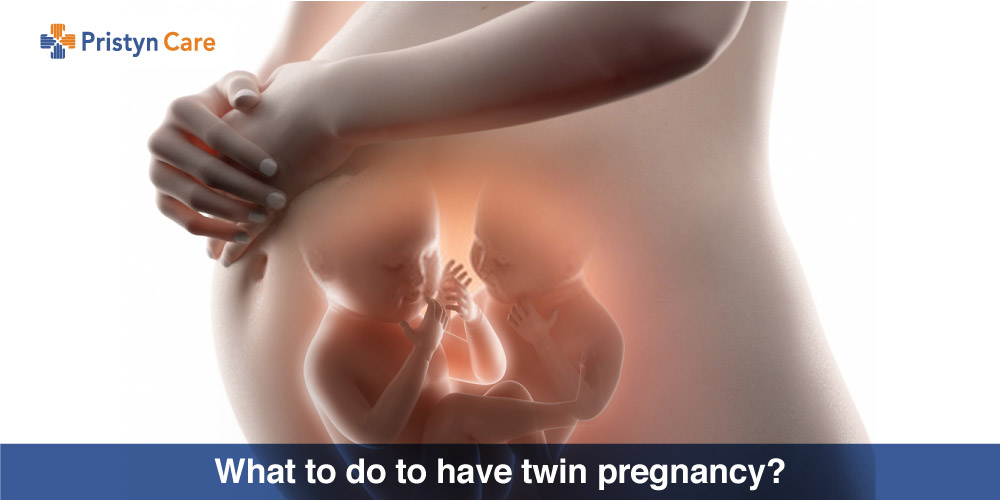
Having twins can be an exciting possibility for couples planning a family. However, it is important to understand that there is no guaranteed natural way to conceive twins. Twin pregnancies happen when either two separate eggs are fertilized (fraternal twins) or one fertilized egg divides into two embryos (identical twins). Certain factors can increase the likelihood of twins, but most cannot be controlled.
Table of Contents
How Does a Twin Pregnancy Happen?
There are two main types of twins:
- Fraternal twins: These develop when two eggs are released during the same menstrual cycle and each egg is fertilized by a different sperm. Fraternal twins are genetically similar to ordinary siblings and can be of the same or different sexes.
- Identical twins: These develop when a single fertilized egg divides into two embryos. Identical twins generally have very similar genetic material and are usually the same sex.
The factors that influence the chance of fraternal twins are different from those associated with identical twins. Identical twinning is generally considered unpredictable, while fraternal twinning can be influenced by factors such as maternal age, family history, ethnicity, and fertility treatment.

What Factors Increase the Chances of Having Twins?
Although there is no guaranteed method to conceive twins naturally, some factors are associated with a higher chance of fraternal twins.
1. Family History of Fraternal Twins
A family history of fraternal twins may increase a woman’s likelihood of releasing more than one egg during ovulation, a process known as hyperovulation. This tendency can have a genetic component. Having fraternal twins in the mother’s family may therefore be associated with a higher chance of conceiving fraternal twins.
A father’s family history of twins does not directly make his partner more likely to release multiple eggs. However, he may pass a tendency toward hyperovulation to his daughters.
2. Maternal Age
Women in their 30s, particularly those in their late 30s, may have a higher natural chance of fraternal twins compared with younger women. Changes in reproductive hormones as women get older can sometimes result in the release of more than one egg during an ovulatory cycle.
However, trying to delay pregnancy solely to increase the chance of twins is not recommended. Fertility naturally declines with age, and pregnancy risks can also increase.
3. Fertility Treatments
Fertility treatments can significantly increase the chance of a multiple pregnancy. Fertility medicines that stimulate ovulation may cause more than one egg to develop and be released. Some assisted reproductive techniques, including IVF, may also result in twins, particularly when more than one embryo is transferred.
However, fertility treatment should never be used simply to try to have twins. Multiple pregnancies have a higher risk of complications, so fertility specialists generally aim for a healthy pregnancy with the lowest appropriate risk.
4. Previous Pregnancies
Women who have previously been pregnant may have a slightly higher likelihood of having fraternal twins than women who have never been pregnant. However, previous pregnancies do not guarantee that a subsequent pregnancy will be a twin pregnancy.
5. Ethnicity and Population Differences
Rates of twin births vary between populations. Fraternal twinning is more common in some populations than others, while identical twinning occurs at relatively similar rates across many populations. These differences are influenced by a combination of genetic, biological, environmental, and reproductive factors.
Can You Increase Your Chances of Having Twins Naturally?

There is no proven diet, supplement, sexual position, or home remedy that can reliably make someone conceive twins. Several foods and natural remedies are often promoted online as ways to increase the chances of twins, but there is not enough reliable evidence to recommend them for this purpose.
Does Folic Acid Increase the Chance of Twins?
Folic acid is important before and during pregnancy because it helps reduce the risk of neural tube defects in the developing baby. However, it should not be taken specifically to increase the chance of having twins.
Women planning pregnancy should discuss the appropriate folic acid dose with their healthcare provider. Taking more than the recommended amount does not provide a proven way to increase the likelihood of twins.
Can Certain Foods Help You Conceive Twins?
Foods such as dairy products, yams, cassava, soy products, whole grains, or other foods are sometimes claimed to increase the likelihood of twins. However, there is no strong clinical evidence that eating a particular food can reliably cause a twin pregnancy.
A balanced, nutritious diet is important when preparing for pregnancy, but deliberately eating calorie-dense foods or gaining weight to try to conceive twins is not recommended.
Does Stopping Birth Control Increase the Chance of Twins?
Some sources claim that stopping hormonal birth control increases the chance of twins because of changes in ovulation. However, this is not a reliable or recommended method for intentionally conceiving twins. Birth control should be stopped only when you are ready to try for pregnancy and after discussing your reproductive health with a healthcare professional if needed.
Does Breastfeeding Increase the Chance of Twins?
Breastfeeding can affect ovulation and fertility, but it should not be considered a method for increasing the chance of twins. The hormonal changes associated with breastfeeding do not provide a reliable way to cause a twin pregnancy.
Can IVF Increase the Chances of Having Twins?
Yes, some fertility treatments can increase the chance of a multiple pregnancy. With IVF, the likelihood of twins can be higher when more than one embryo is transferred. However, fertility specialists increasingly recommend single embryo transfer when appropriate because twin pregnancies have a greater risk of complications for both the mother and babies.
Fertility treatment should be planned according to the individual’s age, fertility diagnosis, medical history, and treatment goals rather than with the sole aim of having twins.
Are Twin Pregnancies Safe?
Most twin pregnancies can result in healthy babies with appropriate medical care, but they are considered higher-risk pregnancies compared with singleton pregnancies. Twin pregnancies have a greater likelihood of complications such as preterm birth, low birth weight, high blood pressure during pregnancy, gestational diabetes, and other pregnancy-related complications.
Because of these risks, women carrying twins generally require closer monitoring throughout pregnancy. Regular prenatal appointments and appropriate ultrasound examinations can help doctors monitor the growth and well-being of both babies.
Is There a Way to Guarantee a Twin Pregnancy?
No. There is no natural method that can guarantee twins. Even when factors associated with fraternal twinning are present or fertility treatment is used, a twin pregnancy cannot be guaranteed.
Identical twins are particularly difficult to predict because the division of a fertilized egg is generally considered a random event. Couples should therefore focus on preparing for a healthy pregnancy rather than trying to control whether the pregnancy results in one baby or twins.
When Should You Consult a Fertility Specialist?
If you are trying to conceive, a gynecologist or fertility specialist can help you understand your individual fertility factors and recommend appropriate preconception care. If fertility treatment is required, the specialist can explain the potential benefits and risks of different treatment options.
Do not take fertility medicines or supplements without medical supervision to try to increase your chance of twins. Medicines that stimulate ovulation can cause ovarian hyperstimulation and multiple pregnancies, both of which require careful medical monitoring.
Consult a gynecologist online for personalized pregnancy guidance.
What to Keep in Mind When Planning a Twin Pregnancy
There is no guaranteed natural method to conceive twins, and intentionally trying to increase the likelihood of twins through weight gain, unproven diets, supplements, or unsupervised fertility medicines is not recommended. Twin pregnancies require additional medical monitoring because they carry a higher risk of complications.
If you are planning a pregnancy, focus first on good preconception health, including a nutritious diet, appropriate folic acid supplementation, regular medical care, and management of existing health conditions. A gynecologist or fertility specialist can help you understand your chances of conceiving and guide you toward the safest approach.
 Doctor available

















.jpg/1719467422422_ban-Icon.png)












.jpg/1659710531266_ban-Icon.png)




.jpg/1721735880936_ban-Icon.png)