



Table of Contents
Can Food Cravings Indicate a Nutritional Deficiency?
Food cravings are common and can happen for several reasons, including hunger, food habits, stress, emotions, sleep deprivation, hormonal changes, and exposure to certain foods. While it is often believed that a craving indicates a specific nutritional deficiency, there is limited evidence that individual food cravings can reliably identify a vitamin or mineral deficiency.
For example, craving chocolate does not necessarily mean that the body lacks magnesium, and craving salty foods does not automatically indicate a selenium deficiency. However, certain nutritional deficiencies can cause symptoms such as fatigue, weakness, changes in appetite, or unusual eating patterns.
Instead of assuming that a particular craving is caused by a deficiency, it is better to look at your overall diet and other symptoms. If a deficiency is suspected, a healthcare professional may recommend appropriate tests before suggesting supplements or dietary changes.
Common Nutritional Deficiencies and Foods to Include in Your Diet
A balanced diet containing a variety of whole foods can help provide essential vitamins and minerals. Below are some important nutrients, possible signs of deficiency, and foods that can help meet your nutritional requirements.
-
Calcium

Calcium is essential for strong bones and teeth. It also plays an important role in muscle contraction, nerve function, and normal blood clotting.
Possible signs of calcium deficiency: Calcium deficiency may not cause noticeable symptoms initially. When levels become significantly low, a person may experience muscle cramps, tingling or numbness, or weakened bones. These symptoms alone cannot confirm calcium deficiency.
What to Eat:
- Milk and yoghurt
- Cheese and other dairy products
- Calcium-fortified plant-based milk
- Tofu made with calcium sulphate
- Sardines and canned salmon with bones
- Dark leafy greens such as kale
- Sesame seeds and tahini
- Almonds
-
Magnesium
Magnesium supports normal muscle and nerve function, energy production, blood glucose regulation, and bone health. Severe magnesium deficiency is uncommon in healthy people but may occur because of certain medical conditions, medications, or consistently inadequate dietary intake.
Possible signs of magnesium deficiency: Loss of appetite, nausea, weakness, fatigue, and muscle cramps may occur. More severe deficiency can cause abnormal heart rhythms. Craving sugary foods alone is not a reliable indicator of magnesium deficiency.
What to Eat:
- Dark chocolate with a high cocoa content
- Avocados
- Cashews
- Almonds
- Pumpkin seeds
- Chia seeds
- Whole grains
- Dark leafy greens such as spinach, kale, and broccoli
-
Zinc
Zinc is important for immune function, wound healing, DNA production, growth, and normal taste and smell. Zinc deficiency can occur in people with inadequate dietary intake or certain medical and digestive conditions.
Possible signs of zinc deficiency: Loss of appetite, impaired wound healing, hair loss, frequent infections, and changes in taste or smell may occur. These symptoms can also have several other causes.
What to Eat:
- Oysters
- Shellfish
- Chicken and other poultry
- Salmon and other fish
- Eggs
- Almonds and other nuts
- Pumpkin seeds
- Beans and lentils
- Omega-3 Fatty Acids

Omega-3 fatty acids are important components of cell membranes and support cardiovascular, brain, and eye health. Certain omega-3 fatty acids cannot be produced by the body in sufficient amounts and therefore need to come from food.
Possible signs of inadequate omega-3 intake: There are no specific food cravings that can reliably diagnose an omega-3 deficiency. Cravings for sweets, cheese, fatty foods, or carbohydrates may have many causes and should not be considered proof of inadequate omega-3 intake.
What to Eat:
- Tuna
- Salmon
- Sardines
- Walnuts
- Flax seeds
- Hemp seeds
- Chia seeds
- Algae such as spirulina
- Vitamin B12
Vitamin B12 is needed for red blood cell formation, DNA production, and normal nervous system function. People who do not consume animal products and those with certain absorption problems may be at increased risk of vitamin B12 deficiency.
Possible signs of vitamin B12 deficiency: Fatigue, weakness, pale skin, numbness or tingling in the hands and feet, difficulty concentrating, and certain types of anaemia may occur.
What to Eat:
- Fish and seafood
- Meat and poultry
- Eggs
- Milk and dairy products
- Fortified breakfast cereals
- Fortified plant-based milk
- Folate
Folate, also known as vitamin B9, is essential for DNA synthesis and healthy red blood cell formation. Adequate folate intake is particularly important before and during pregnancy because it helps reduce the risk of certain neural tube defects.
Possible signs of folate deficiency: Fatigue, weakness, pale skin, irritability, difficulty concentrating, and certain types of anaemia may occur.
What to Eat:
- Dark leafy greens such as spinach and arugula
- Beets
- Bell peppers
- Cauliflower
- Asparagus
- Broccoli
- Lentils
- Avocados
- Okra
- Brussels sprouts
- Vitamin D
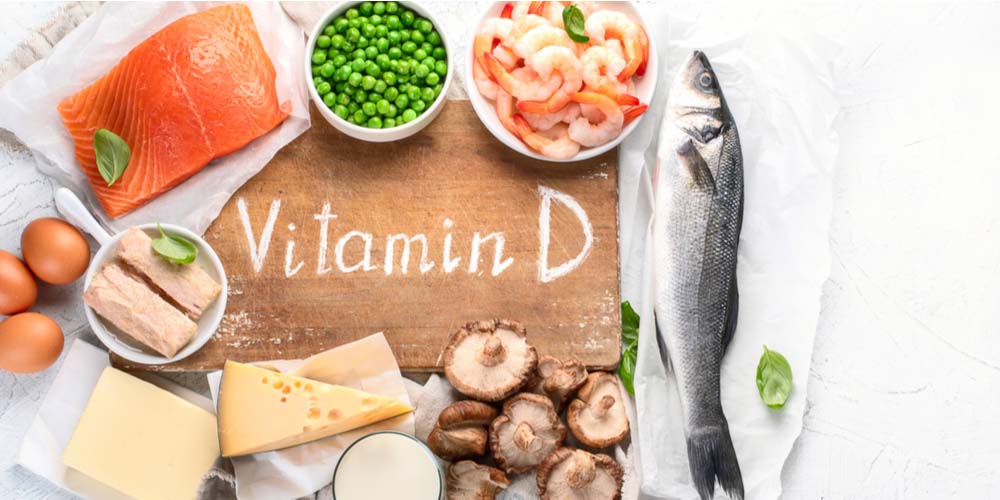
Vitamin D helps the body absorb calcium and supports bone, muscle, and immune function. Vitamin D deficiency can occur when dietary intake is inadequate or when the body does not receive or process enough vitamin D.
Possible signs of vitamin D deficiency: Some people may experience bone pain, muscle weakness, or fatigue. However, these symptoms are nonspecific, and a blood test may be required to confirm deficiency.
What to Eat:
- Fatty fish such as tuna, mackerel, and salmon
- Beef liver
- Egg yolks
- Fortified milk and plant-based beverages
- Fortified cereals
- Selenium
Selenium is a trace mineral that supports thyroid function, immune function, reproduction, and antioxidant defence. Selenium deficiency is uncommon in many people but may occur when dietary intake is consistently low or because of certain health conditions.
Possible signs of selenium deficiency: Severe deficiency can affect thyroid function, immunity, and overall health. Feeling excessively tired or craving salty foods alone does not confirm selenium deficiency.
What to Eat:
- Brazil nuts
- Tuna and other fish
- Eggs
- Chicken and turkey
- Spinach
- Nori and seaweed
- Sunflower seeds
- Lentils
Brazil nuts can contain very high amounts of selenium, so they should be consumed in moderation rather than in large quantities.
- Antioxidants
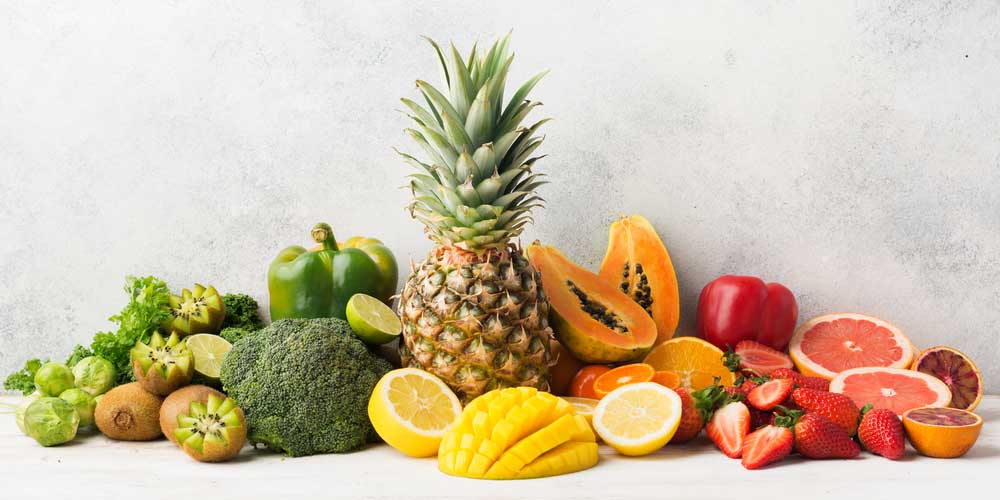
Antioxidants are compounds found naturally in many fruits, vegetables, nuts, seeds, and other plant foods. Vitamins such as vitamin C and vitamin E, along with various plant compounds, contribute to the body’s antioxidant defence system.
There is no single medical condition called “antioxidant deficiency,” and food cravings cannot be used to diagnose a lack of antioxidants. Instead, focus on eating a varied diet containing different types of fruits and vegetables.
What to Eat:
- Fruits and berries
- Vegetables rich in natural plant compounds
- Lemons and limes
- Grapefruits
- Tart cherries
- Onions, garlic, broccoli, cauliflower, and broccoli sprouts
Why Do You Get Food Cravings?
Food cravings do not always have a nutritional explanation. Several physical, psychological, and environmental factors can influence the foods you want to eat.
- Hunger: Going for long periods without eating can increase cravings, particularly for foods that provide quick energy.
- Stress and emotions: Stress, boredom, sadness, and anxiety may increase cravings for foods high in sugar or fat.
- Sleep deprivation: Poor sleep can affect appetite regulation and food preferences.
- Food habits: Regularly eating a particular food can make you want it more frequently.
- Environmental cues: Seeing, smelling, or thinking about a favourite food can trigger a craving.
- Restrictive diets: Excessively restricting certain foods may make cravings stronger.
How to Manage Food Cravings
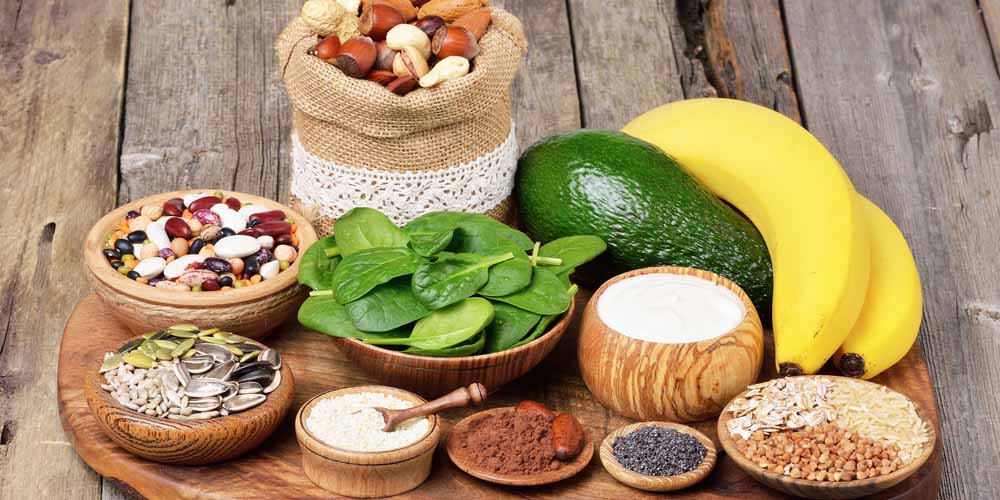
Occasional food cravings are normal. However, frequent or intense cravings can sometimes make it difficult to maintain a balanced diet. Rather than assuming that a craving is a signal of a specific nutrient deficiency, focus on your overall eating pattern and daily habits.
- Eat balanced meals: Include protein, whole grains or other complex carbohydrates, healthy fats, vegetables, and fruits in your meals.
- Do not skip meals: Regular meals can help prevent excessive hunger and impulsive food choices.
- Stay hydrated: Drink enough fluids throughout the day.
- Prioritise sleep: Maintaining a regular sleep schedule can support healthy appetite regulation.
- Manage stress: Exercise, relaxation techniques, hobbies, and adequate rest may help reduce stress-related eating.
- Choose nutrient-dense alternatives: When you crave a particular food, consider whether a nutritious alternative can satisfy you while still allowing occasional treats.
When Should You See a Doctor for Food Cravings?
Food cravings alone usually do not indicate a vitamin or mineral deficiency. However, consult a healthcare professional if cravings are persistent, unusually intense, or accompanied by symptoms such as unexplained fatigue, weakness, dizziness, changes in weight, pale skin, numbness, hair loss, or changes in appetite.
Unusual cravings for non-food substances such as ice, soil, clay, paper, or chalk may be associated with a condition called pica. Pica can sometimes occur alongside iron deficiency and should be medically evaluated.
If a nutrient deficiency is suspected, your doctor may review your diet and medical history and recommend blood tests to identify the underlying problem before suggesting supplements.
Can Supplements Help With Nutritional Deficiencies?
Supplements can be useful when a nutritional deficiency is confirmed or when dietary intake is insufficient. However, taking high doses of vitamins or minerals without medical advice is not recommended because excessive amounts of some nutrients can cause side effects or interact with medications.
The safest approach is to identify the suspected deficiency and follow a diet or supplementation plan recommended by a qualified healthcare professional.
Also Read:
 Doctor available