Select city location icon
Select City
location
Get my Location
search icon
phone icon in white color

Call Us

Book Appointment

Femur Fracture Surgery

Femur fracture surgery, also known as open reduction and internal fixation (ORIF), is a well-established procedure designed to help restore the broken femur to its normal function. The surgical methods can range from intramedullary nailing to external fixation, which relieves the pain and promotes faster healing of the femur fracture. If you're dealing with a femur fracture, don't hesitate. Contact Pristyn Care and book a FREE appointment with our experienced orthopaedic surgeons, who are adept at femur fracture surgeries.

Femur fracture surgery, also known as open reduction and internal fixation (ORIF), ... Read More

anup_soni_banner
Book FREE Doctor Appointment
cost calculator
Anup Soni - the voice of Pristyn Care pointing to download pristyncare mobile app
i
i
i
i
Call Us
Call icon
We are Rated
3 M+ Happy Patients
200+ Hospitals
30+ Cities

To confirm your details, please enter OTP sent to you on *

i

30+

Cities

Free Cab Facility

Free Cab Facility

No-Cost EMI

No-Cost EMI

Support in Insurance Claim

Support in Insurance Claim

1-day Hospitalization

1-day Hospitalization

USFDA-Approved Procedure

USFDA-Approved Procedure

Best Doctors for Femur Fracture Surgery

Choose Your City

It help us to find the best doctors near you.

Bangalore

Delhi

Hyderabad

Indore

Jaipur

Kochi

Mumbai

Pune

Delhi

Hyderabad

Pune

Mumbai

Bangalore

  • online dot green
    Dr. Bhagat Singh Rajput - A orthopedic-doctors for Femur Fracture

    Dr. Bhagat Singh Rajput

    MBBS, D.Ortho
    45 Yrs.Exp.

    4.5/5

    45 Years Experience

    location icon Pristyn Care Elantis, Ring Road, Lajpat Nagar
    Call Us
    080-6542-3711
  • online dot green
    Dr. Bhattiprolu Sarangadhara Murthy - A orthopedic-doctors for Femur Fracture

    Dr. Bhattiprolu Sarangad...

    MBBS, MS-Orthopedics
    41 Yrs.Exp.

    4.5/5

    41 Years Experience

    location icon Pristyn Care Diyos Hospital, Safdarjung Enclave, Delhi
    Call Us
    080-6962-5908
  • online dot green
    Dr. Kamal Bachani - A orthopedic-doctors for Femur Fracture

    Dr. Kamal Bachani

    MBBS, MS(Ortho), M.Ch(Ortho)
    36 Yrs.Exp.

    4.5/5

    36 Years Experience

    location icon Pristyn Care Sheetla Hospital, Sector 8, Gurgaon
    Call Us
    080-6962-5908
  • online dot green
    Dr. Abhishek Kumar  - A orthopedic-doctors for Femur Fracture

    Dr. Abhishek Kumar

    MBBS, MS-Orthopedics
    29 Yrs.Exp.

    4.5/5

    29 Years Experience

    location icon Pristyn Care Elantis Hospital, Lajpat Nagar, Delhi
    Call Us
    080-6962-5907

What Is Femur Fracture Surgery?

Femur fracture surgery is a specialised procedure performed to mend a broken femur, colloquially referred to as the thigh bone. Any break in the thigh bone may cause severe pain, swelling, noticeable deformity, and difficulty walking, indicating a potential femur fracture. When these symptoms are witnessed, a surgical intervention such as femur fracture surgery may be deemed necessary by your surgeon.
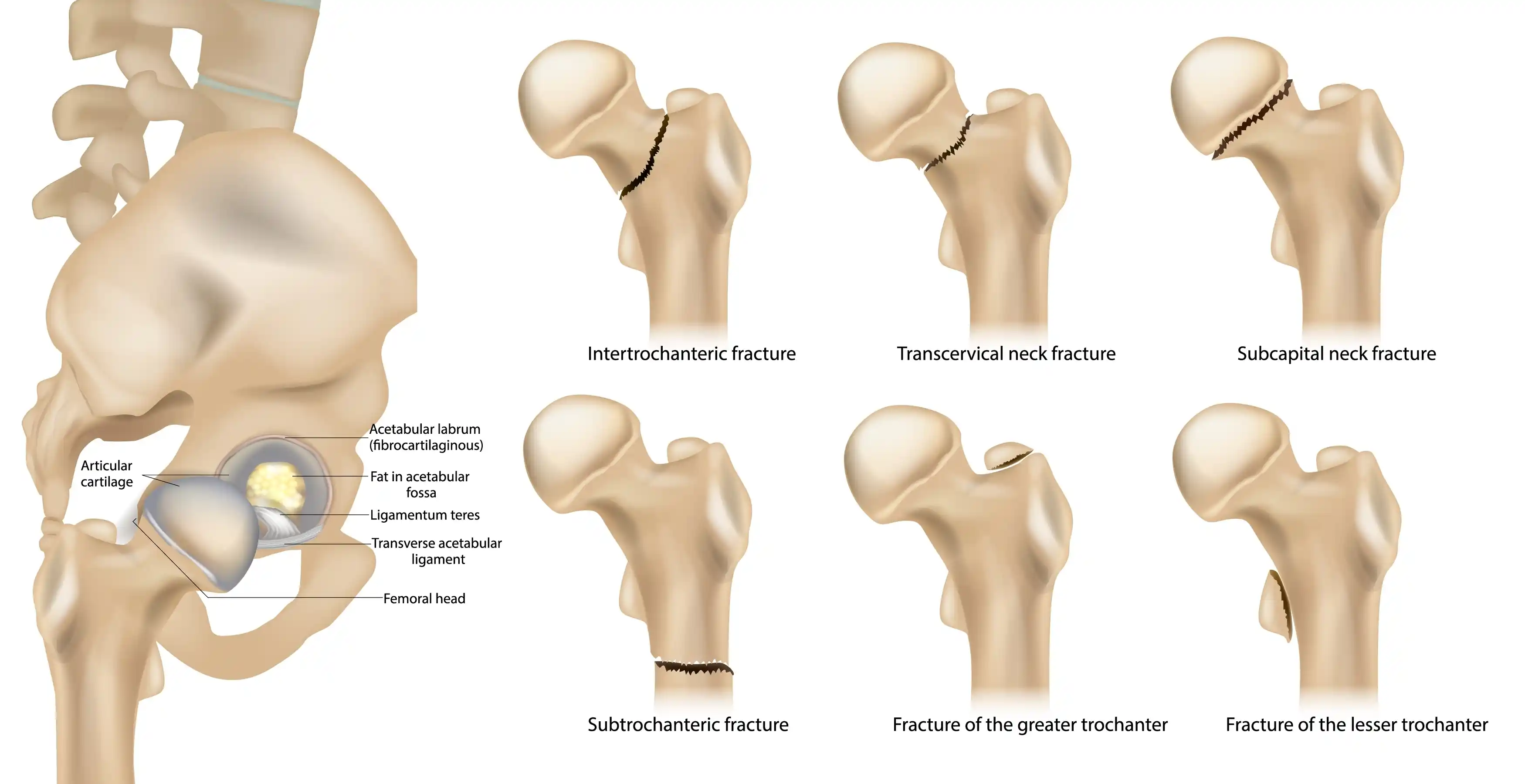
femur-fracturefemur-fracture

The surgery is typically performed in an operation theatre (OT) to ensure a well-equipped setup for your comfort during the process. Femur fracture surgery aids in restoring the proper alignment of the bone fragments to initiate successful healing of your thigh bone and allows you to return to your normal activities in due course.

cost calculator

Free ACL Tear Surgery Cost Calculator

Fill details to get actual cost

i
i
i

To confirm your details, please enter OTP sent to you on *

i

What Are the Types of Femur Fracture Surgery?

The femur fractures necessitate different types of surgical interventions depending on the location and severity of the fracture. Here are the common types of femur fracture surgery:

  • ORIF Surgery: Open reduction and internal fixation is an emergency surgical procedure used to repair severe femur bone fractures that cannot be treated with a cast or splint alone.
  • Intramedullary Nailing: A widely used technique for femur fractures where a metal rod is inserted into the hollow center of the thigh bone. This rod stabilizes the fracture, allowing the femur to heal in its proper alignment.
  • Plate and Screw Fixation: In this method, metal plates and screws are used to keep the fractured bone fragments held in their correct place. This ensures that the femur heals appropriately.
  • External Fixation: This technique involves inserting metal pins or screws into the bone both above and below the fracture site. An external frame connects these pins, maintaining the bone’s position until it heals.
  • Screws or Pins Alone: Occasionally, when the fracture is less severe, simple screws or pins can be enough to stabilise the femur and assist in the healing process.

Diagnosis Before Femur Fracture Surgery

Before proceeding with femur fracture surgery, your doctor will need to accurately assess the extent of your thigh bone break. This diagnosis is carried out through a series of tests and examinations, which include:

  • Physical examination: Your doctor will first carry out a physical examination of your injured leg. This involves looking for signs of swelling, bruising, and deformity as well as checking the circulation and sensation in your foot and ankle.
  • X-ray: The next step usually involves taking X-rays of your thigh, hip, and knee. An X-ray provides a clear image of the bone and allows the doctor to see if there has been a femur fracture and assess its severity and location.
  • CT scan: In certain cases, a CT (Computed Tomography) scan may be required. This test provides more detailed images than an X-ray and can help determine the pattern of the fracture more precisely.

What Is the Procedure for Femur Fracture Surgery?

Femur fracture surgery, or ORIF, is performed to realign and stabilise the broken thigh bone. Here is a step-by-step guide to what you might expect during this surgical procedure:

  • Anaesthesia: Initially, you will be given either general anaesthesia, which puts you to sleep throughout the surgery, or local anaesthesia combined with a sedative to relax you during the process.
  • Incision: Next, an incision is made through the skin and muscle on your thigh to access the femur bone fracture.
  • Realignment: Once the broken bone is exposed, your surgeon will realign the fractured pieces back into their proper position.
  • Fixation: The realigned bone fragments are then secured using screws, metal plates, wires, pins, or a specially designed metal rod.
  • Closure: After fixation, the surgeon will close the incision site by suturing back the layers of skin and muscle.
  • Post-surgery: Postoperative care includes pain management, monitoring of vital signs, imaging tests to check the position of the bone, and instructions on leg movement and weight-bearing.
  • Physical therapy: Once healing is well underway, you’ll be guided through physiotherapy to restore muscle strength, range of motion, and flexibility.

Pristyn Care’s Free Post-Operative Care

Diet & Lifestyle Consultation

Post-Surgery Follow-Up

Free Cab Facility

24*7 Patient Support

Who Is the Right Candidate for Femur Fracture Surgery?

Femur fractures are serious injuries that often require surgical intervention. However, the decision to proceed with surgery depends on various factors. You might be an ideal candidate for femur fracture surgery if you:

  • Have severe and immediate pain following an accident, collision, or fall.
  • Have a crooked or deformed appearance of the injured leg.
  • Are unable to stand or walk with bruising, pain, or swelling in the injured area.
  • Have sustained a femur fracture that cannot heal properly or safely without surgical intervention.
  • Are in good overall health and can safely undergo the rigours of surgery and the post-operative recovery process.
  • Understand the benefits, risks, and potential complications associated with femur fracture surgery and are committed to following post-operative care instructions and physiotherapy for a full recovery. 

Remember, your doctor will consider all these aspects before recommending femur fracture surgery. The ultimate aim is to ensure proper healing and a return to normal function as safely and swiftly as possible.

What Are the Benefits of Femur Fracture Surgery?

A thigh bone break can be a daunting health challenge. However, femur fracture surgery provides significant benefits that help ensure a faster and more comfortable recovery. Here are the key advantages of undergoing femur fracture surgery:

  • Proper alignment and stabilisation: The surgery aids in aligning the fractured pieces of the bone, thereby assisting in quick and proper healing of the femur.
  • Pain relief: One of the main goals of femur fracture surgery is long-term pain management. This enables you to start moving and walking sooner after the operation.
  • Improved comfort: Post-operative patients typically experience enhanced comfort levels, facilitating an earlier start to their recovery process.
  • Reduced complications: A well-performed surgery ensures that your bones are properly aligned and stabilised, thus minimising the risk of complications such as abnormal bone healing, nerve damage, or blood clots.
  • Long-term functionality: The surgery focuses on restoring the integrity of your femur, aiming to bring back long-term functionality and mobility to your leg.

How To Prepare for Femur Fracture Surgery?

Preparing for femur fracture surgery involves a few crucial steps that help optimise the outcome:

  • Medical history and physical exam: Your doctor will take a thorough account of your medical history and conduct a physical exam to evaluate your overall health status.
  • Diet regulations: You may need to stop certain diets or fast before the surgery, including refraining from smoking and alcohol as per your doctor’s instructions.
  • Consultation with surgeon: Discuss all aspects of the surgery with your surgeon, including anaesthesia use, specific fixation method, and any other necessary repairs based on your injury.
  • Medication review: Your doctor will review all medications you’re currently taking, even over-the-counter ones like aspirin, as they might need adjustments before the surgery.
  • Follow instructions: Ensure you follow all instructions provided by your doctor regarding pre-surgery preparations.

What Are the Recovery Tips and Precautions To Follow After Femur Fracture Surgery?

Post-surgery for a femur fracture, it is important to adhere to specific recovery guidelines for proper healing and rehabilitation.

  • Physical therapy and exercises: Participate in physical therapy exercises ranging from straight leg raises to balance training to strengthen your muscles and improve mobility.
  • Use of walking aids: Initially, you may need aids like crutches, a walker, or a wheelchair. Follow your doctor’s guidance regarding the use of these aids.
  • Early mobilisation: As much as possible, start moving and walking post-surgery to prevent muscle weakness and improve mobility.
  • Pain management: Adhere to your prescribed pain management plan to relieve discomfort and facilitate mobility.
  • Support network: Rely on your family and friends for assistance, as emotional support is crucial for a smoother recovery.
  • Follow-up care: Attend all follow-up appointments with your doctor to monitor your progress and ensure proper healing.

Potential Risks or Complications Associated With Femur Fracture Surgery

While femur fracture surgery has many advantages, it is also associated with certain potential risks:

  • Infection: Both superficial and deep wound infections can occur post-surgery.
  • Bleeding: There is a risk of excessive bleeding during the surgical procedure.
  • Nerve damage: The surgery carries a risk of damaging nerves that are in proximity to the injury.
  • Blood clots: Patients are at risk of developing blood clots, including deep vein thrombosis and pulmonary embolism, after surgery.
  • Fat embolism: A rare but serious complication where fat enters the bloodstream can occur.
  • Abnormal bone healing: The fracture may not heal properly, leading to malunion or nonunion.
  • Hardware irritation: The metal implants used to stabilise the bone can sometimes irritate the overlying tissue.
  • Mechanical complications: There could be complications like implant failure or loss of fixation over time.

Awareness of these potential risks is crucial, and it is important to have a detailed discussion with your doctor about them.

What Is the Cost of Femur Fracture Surgery in India?

The treatment of a femur fracture typically involves surgery, which is why, understanding the cost of femur fracture surgery becomes important for patients and their families. The cost of femur fracture surgery in India can vary significantly depending on multiple factors. Let’s take a closer look at some of the key considerations that can influence the overall expense of this treatment:

  • Method of Treatment: The specific surgical technique used in addressing the femur bone fracture can affect the cost. For example, open reduction and internal fixation, a common procedure where the bone is set back into place and held with screws or plates, may have a higher cost than non-surgical methods.
  • Technological application: Advanced technologies like robotic-assisted surgery or minimally invasive techniques can potentially increase the final bill. These cutting-edge procedures may offer benefits like reduced recovery time but can be more costly.
  • Doctor’s qualifications: Highly qualified and experienced orthopaedic surgeons may charge more for their expertise in performing femur fracture surgeries.
  • Patient accommodations: The overall cost will also include expenses related to hospital stays, food, and other patient care services provided during the recovery period.
  • Patient’s general health: The overall health status of the patient and any comorbidities can also influence the cost of treatment.

Is Femur Fracture Surgery Covered Under Insurance?

For many individuals dealing with a femur fracture, one of the primary concerns is whether the cost of femur fracture surgery is covered by their health insurance policy. The good news is that many health insurance policies in India do provide coverage for femur fracture surgery.

Most insurance policies typically cover femur fracture surgeries. They also often cover the medical instruments like screws, plates, rods, wires, or nails, used in the surgery to stabilise and heal a broken femur. 

However, it’s important to be aware of certain exclusions and limitations of the insurance:

  • There may be a waiting period of typically 2-4 years before coverage is processed for certain conditions, like fractures related to osteoarthritis or osteoporosis.
  • Complications arising from surgery, such as infections, bleeding, nerve damage, or abnormal bone healing, may be covered, but there could be some exclusions or limitations.
  • The policy might not cover the full cost of the surgery and may have deductibles, co-payments, or maximum caps on the amount it will pay.
  • Certain factors, like pre-existing conditions or lifestyle habits (like smoking), which increase the risk of complications, could impact coverage.

It’s advisable for patients to carefully review their policy details to understand the extent of coverage provided for their femur fracture treatment.

FAQs around Femur Fracture Surgery

How long does it take to recover from a femur fracture surgery?

The recovery time from a femur fracture surgery varies depending on the individual’s overall health, age, and the type of fracture. On average, it may take between 4 to 6 months for a complete recovery. It is important to follow the doctor’s advice and physiotherapy sessions to ensure optimal healing.

Can I walk after femur fracture surgery?

Yes, mobility is usually encouraged after femur fracture surgery. However, it’s usually with the help of crutches or a walker. Your doctor will guide you on when and how you can start putting weight on your leg.

What is the role of physiotherapy in recovery from a thigh bone break?

Physiotherapy plays a crucial role in the recovery process after femur fracture surgery. It helps in improving the strength, flexibility, and movement of the affected leg. Regular physiotherapy sessions can also speed up the recovery process and aid in regaining normal function.

Can femur bone fractures occur in children?

Yes, femur fractures can occur in children. The treatment for children differs from that for adults due to their growing bones. In many cases, paediatricians prefer non-surgical methods for treatment.

I have diabetes. Would that affect my femur fracture surgery recovery?

Yes, having diabetes could potentially slow down the healing process post-surgery because high blood sugar levels can hinder bone healing. Hence, it’s necessary to manage your blood sugar levels effectively during your recovery period.

Do I need to change my diet after a femur fracture surgery?

Yes, your doctor or dietician may recommend changes to your diet after a femur fracture surgery. A diet high in protein and calcium aids in bone healing.

How long will I need to stay in the hospital after my femur fracture surgery?

The hospital stay after a femur fracture surgery can be of 2-3 days, depending on your overall health condition and the type of femur fracture you have had.

Can complications arise after femur fracture surgery?

While femur fracture surgeries are generally safe, like any operation, there can be potential complications, including infection, blood clots, or issues with bone healing. It’s important to follow your doctor’s instructions closely during the recovery period to minimise these risks.

Can my femur fracture heal without surgery?

While some minor fractures can heal with non-surgical treatments like immobilisation with a cast, most femur fractures require surgery for optimal healing and return of function.

Can weight influence the healing process post-femur fracture surgery?

Yes, being overweight can put additional stress on the healing bone and can potentially slow down the healing process. Hence, maintaining a healthy weight is beneficial in the recovery process.

View more questions downArrow