

Select City


Call Us
Book Appointment
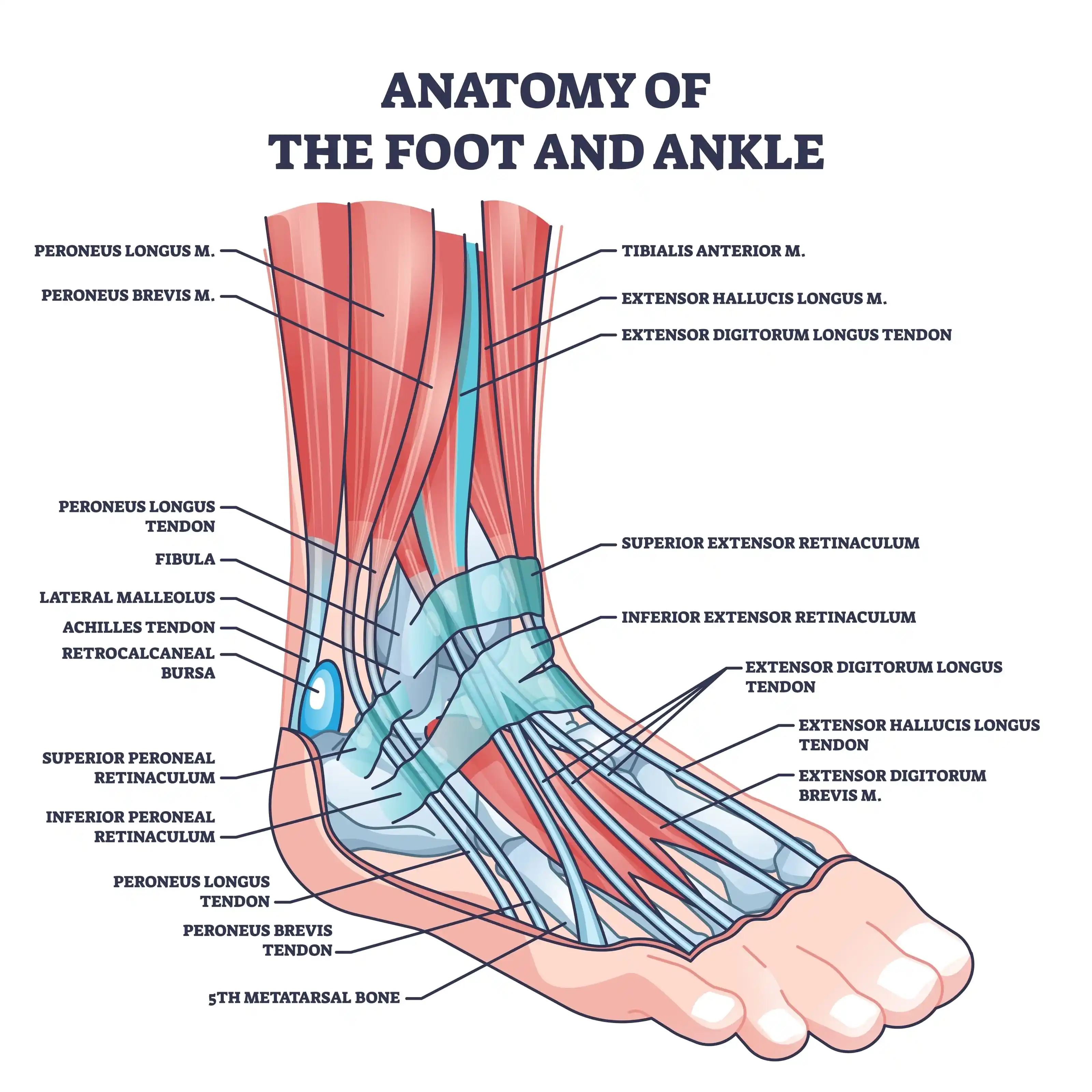
Foot and ankle surgery is a specialized orthopedic procedure performed to treat conditions affecting the bones, joints, ligaments, tendons, muscles, and soft tissues of the foot and ankle. It is commonly recommended when non-surgical treatments such as medications, physiotherapy, orthotics, or lifestyle modifications fail to relieve pain or restore normal function. Advanced foot and ankle surgery can help reduce chronic pain, improve mobility, correct deformities, repair injuries, and restore your quality of life. Today, several foot surgery and ankle surgery procedures are available, including arthroscopic surgery, ankle replacement, ankle fusion, Achilles tendon repair, ligament reconstruction, bunion surgery, hammertoe surgery, plantar fasciitis surgery, and foot fracture surgery. An experienced orthopedic foot surgeon or foot and ankle specialist will recommend the most suitable treatment based on your condition, lifestyle, and recovery goals.
Foot and ankle surgery is a specialized orthopedic procedure performed to treat conditions ...affecting the bones, joints, ligaments, tendons, muscles, and soft tissues of the foot and ankle. It is commonly recommended when non-surgical treatments such as medications, physiotherapy, orthotics, or lifestyle modifications fail to relieve pain or restore normal function. Advanced foot and ankle surgery can help reduce chronic pain, improve mobility, correct deformities, repair injuries, and restore your quality of life. Today, several foot surgery and ankle surgery procedures are available, including arthroscopic surgery, ankle replacement, ankle fusion, Achilles tendon repair, ligament reconstruction, bunion surgery, hammertoe surgery, plantar fasciitis surgery, and foot fracture surgery. An experienced orthopedic foot surgeon or foot and ankle specialist will recommend the most suitable treatment based on your condition, lifestyle, and recovery goals.Read More




3M+
Happy Patients
50+
Disease
200+
Hospitals
30+
Cities

Free Cab Facility

No-Cost EMI

Support in Insurance Claim

1-day Hospitalization

USFDA-Approved Procedure
Foot and ankle surgery refers to a group of orthopedic procedures performed to diagnose, treat, and correct disorders affecting the foot and ankle. These procedures aim to relieve pain, improve movement, restore stability, and help patients return to their daily activities.
Foot and ankle surgery may be recommended for various conditions, including arthritis, fractures, ligament injuries, tendon tears, bunions, hammertoes, plantar fasciitis, and chronic ankle instability.
Depending on the condition, surgery may involve repairing damaged tissues, reconstructing ligaments, realigning bones, replacing joints, or fusing bones to eliminate painful movement.
Free Arthroscopy Surgery Cost Calculator
Fill details to get actual cost
Advanced foot and ankle surgery uses modern surgical techniques and specialized equipment to treat complex orthopedic conditions with greater precision.
Many procedures are now performed using minimally invasive techniques that involve smaller incisions, less tissue damage, reduced pain, and faster recovery compared to traditional open surgery.
Depending on the condition, advanced procedures may include arthroscopy, ankle replacement surgery, ligament reconstruction, tendon repair, and minimally invasive bunion correction.
Understanding the different types of foot and ankle surgery helps patients make informed treatment decisions.
Arthroscopic Foot and Ankle Surgery
Arthroscopy is a minimally invasive procedure performed using a small camera called an arthroscope. It allows the surgeon to diagnose and treat joint problems through tiny incisions.
Arthroscopy is commonly used to treat:
Foot fracture surgery is performed when broken bones are displaced, unstable, or involve multiple fragments.
During the procedure, the surgeon repositions the fractured bones and stabilizes them using:
This helps restore proper alignment and promotes healing.
Ankle Fracture Surgery
Ankle fracture surgery is recommended when the ankle joint becomes unstable following a fracture.
The damaged bones are carefully realigned and fixed using orthopedic implants to restore joint stability and normal movement.
Achilles Tendon Repair Surgery
Achilles tendon repair surgery is performed to treat complete tendon ruptures or severe tendon tears.
The surgeon repairs the torn tendon using strong sutures and may reinforce the repair if necessary.
This procedure is commonly recommended for:
Ankle Ligament Reconstruction Surgery
Repeated ankle sprains may weaken the supporting ligaments and lead to chronic ankle instability.
Ligament reconstruction surgery repairs or reconstructs damaged ligaments to improve ankle stability and reduce the risk of recurrent injuries.
Bunion Surgery
Bunion surgery corrects a painful bony prominence that develops at the base of the big toe.
The procedure may involve:
The goal is to relieve pain and improve foot alignment.
Hammertoe Surgery
Hammertoe surgery treats permanently bent toes that interfere with walking or wearing shoes comfortably.
Depending on the severity, surgery may involve:
Plantar Fasciitis Surgery
Most cases of plantar fasciitis improve with conservative treatment.
However, surgery may be recommended for chronic heel pain that does not improve after several months of non-surgical treatment.
The procedure releases part of the plantar fascia to reduce tension and relieve pain.
Ankle Replacement Surgery
Ankle replacement surgery involves replacing the damaged ankle joint with artificial components made from medical-grade metal and plastic.
It is commonly recommended for patients with severe ankle arthritis who wish to maintain joint movement.
Ankle Fusion Surgery
Ankle fusion permanently joins the ankle bones together to eliminate painful joint movement.
Although ankle motion becomes limited, fusion provides excellent long-term pain relief and improved joint stability.
The best foot and ankle surgery depends on several factors, including:
For many patients, minimally invasive foot surgery and arthroscopic ankle surgery offer faster recovery and smaller incisions. However, complex conditions such as advanced arthritis or severe fractures may require joint replacement or fusion surgery.

Diet & Lifestyle Consultation

Post-Surgery Follow-Up

Free Cab Facility

24*7 Patient Support
Foot and ankle surgery may be recommended for patients experiencing chronic pain, limited mobility, deformities, or injuries that do not improve with non-surgical treatment.
Foot Arthritis
Foot arthritis causes pain, swelling, stiffness, and reduced movement due to gradual cartilage damage within the joints.
Surgery may be recommended when medications, physiotherapy, and supportive footwear fail to relieve symptoms.
Ankle Arthritis
Advanced ankle arthritis can make walking painful and difficult.
Depending on the severity, surgery may involve ankle replacement or ankle fusion.
Achilles Tendon Rupture
A complete Achilles tendon tear often requires surgical repair to restore strength and improve ankle function.
Chronic Ankle Instability
Repeated ankle sprains can weaken the ligaments, causing the ankle to repeatedly “give way.”
Ligament reconstruction surgery restores stability and reduces future injuries.
Plantar Fasciitis
Persistent heel pain that does not improve after months of conservative treatment may require plantar fasciitis surgery.
Bunions
Painful bunions that interfere with walking or shoe wear may require surgical correction.
Hammertoes
Severe hammertoes causing pain, corns, or difficulty wearing footwear may benefit from surgery.
Foot and Ankle Fractures
Displaced or unstable fractures often require surgery to restore proper bone alignment and function.
Consult a foot and ankle specialist if you experience:
Many patients search for the foot and ankle surgery process before undergoing treatment.
Initial Consultation
The orthopedic surgeon evaluates:
Diagnostic Tests
If required, investigations may include:
Anesthesia
Depending on the procedure, surgery may be performed under:
Surgical Procedure
The surgeon performs the planned procedure using minimally invasive or conventional techniques depending on the patient’s condition.
Wound Closure
The incision is closed using sutures or staples, followed by a protective dressing, cast, splint, or walking boot.
Recovery and Discharge
Many foot and ankle surgeries are performed as daycare procedures, allowing patients to return home on the same day, while more complex surgeries may require a short hospital stay.
Foot and ankle surgery can provide significant relief for patients suffering from chronic pain, deformities, or injuries that limit mobility.
Long-Term Pain Relief
The surgery treats the underlying cause of pain, helping relieve discomfort caused by arthritis, fractures, tendon injuries, and ligament damage.
Improved Mobility
By restoring joint function and correcting deformities, surgery helps patients walk, stand, and perform daily activities more comfortably.
Better Joint Stability
Procedures such as ligament reconstruction strengthen the ankle and reduce the risk of repeated sprains and instability.
Correction of Foot Deformities
Foot surgery can correct bunions, hammertoes, and other structural deformities, improving both foot function and appearance.
Faster Return to Daily Activities
Modern surgical techniques and rehabilitation programs help many patients return to work and routine activities sooner.
Improved Quality of Life
Reduced pain and better mobility allow patients to enjoy an active lifestyle with greater confidence and independence.
Recovery varies depending on the type of surgery performed and the patient’s overall health.
First Few Days
Patients may experience:
Pain medications and keeping the foot elevated usually help manage these symptoms.
One to Two Weeks
During this period:
Four to Eight Weeks
Many patients gradually begin:
Recovery depends on the type of surgery performed.
Complete Healing
Complete recovery generally takes 3 to 12 months, depending on the procedure.
Smaller procedures such as bunion surgery or arthroscopy usually heal faster, while ankle replacement, ankle fusion, and ligament reconstruction require a longer rehabilitation period.
To support proper healing:
After successful foot and ankle surgery, many patients experience noticeable improvements in pain, mobility, and overall foot function.
Before Surgery
Patients may experience:
After Surgery
Following recovery, patients may notice:
Recovery outcomes vary depending on the condition treated, the type of surgery, and adherence to postoperative care instructions.
The cost of foot and ankle surgery in India depends on several factors, including the type of surgery, the severity of the condition, the surgeon’s experience, hospital facilities, and the city where the procedure is performed.
The overall treatment cost may vary based on:
Advanced procedures such as arthroscopic foot surgery, ankle replacement surgery, and minimally invasive foot surgery may cost more than conventional procedures but often offer faster recovery, smaller incisions, and improved functional outcomes.
Consult an orthopedic foot and ankle specialist if you experience:
Early diagnosis and treatment can help prevent complications and improve long-term outcomes.
Foot and ankle surgery includes a range of orthopedic procedures performed to treat injuries, arthritis, tendon disorders, ligament tears, fractures, and deformities affecting the foot and ankle.
Foot and ankle surgery is performed by an orthopedic foot surgeon or a foot and ankle specialist trained in diagnosing and treating complex conditions affecting the lower extremities.
Common procedures include arthroscopic surgery, foot fracture surgery, ankle fracture surgery, Achilles tendon repair, ankle ligament reconstruction, bunion surgery, hammertoe surgery, plantar fasciitis surgery, ankle replacement surgery, and ankle fusion surgery.
Most foot and ankle surgeries take between 30 minutes and 3 hours, depending on the type and complexity of the procedure.
Recovery varies depending on the procedure. Minor surgeries may recover within 4–8 weeks, while complex procedures such as ankle replacement or ankle fusion may require 6–12 months for complete healing.
The surgery itself is usually painless because anesthesia is administered. Mild discomfort during recovery is common and can generally be managed with medications and proper postoperative care.
Yes. Most health insurance plans cover medically necessary foot and ankle surgeries performed for conditions such as fractures, arthritis, tendon injuries, ligament tears, and other orthopedic disorders. Coverage depends on the individual insurance policy.
Walking depends on the type of surgery performed. Some patients begin partial weight-bearing within a few weeks, while others may require a cast or walking boot for several weeks before gradually resuming normal walking.
The best treatment depends on the underlying cause. Mild cases often improve with rest, physiotherapy, medications, and orthotics, while severe conditions such as fractures, arthritis, tendon ruptures, or deformities may require surgery.
Choose an experienced orthopedic foot surgeon with specialized training, good patient outcomes, advanced surgical expertise, and access to modern hospital facilities. A thorough consultation helps determine the most suitable treatment plan based on your condition.


.jpg/1709040422595_ban-Icon.png)

Avail FREE Doctor Consultation

Consult with our expert surgeon for more than 50+ diseases

Once you share your details, our care coordinator will get in touch with you.

The coordinator will understand your symptoms and health condition in detail.

Your consultation will be scheduled at the earliest.
3M +
Happy Patients
150 +
Clinics
30 +
Cities

120Cr—Patient Savings Delivered
so patients focus on recovery, not bills.

Complete Transparency
No hidden charges or surprise bills

End-to-End Insurance Handling
Complete insurance processing support

Up to 20% Savings on Every Surgery
powered by smarter insurance handling

Easy EMI Options
Flexible payment plans available
120Cr—Patient Savings Delivered
so patients focus on recovery, not bills.
Complete Transparency
No hidden charges or surprise bills
Your Form Has Been Submitted Successfully.
Our care coordinator will call you shortly.

Book Your FREE Consultation
Consult with our expert surgeon for more than 50+ diseases
Once you share your details, our care coordinator will get in touch with you.
The coordinator will understand your symptoms and health condition in detail.
Your consultation will be scheduled at the earliest.
3M +
Happy Patients
150 +
Clinics
30 +
Cities