Select City

Sphincterotomy, a surgical procedure aimed at alleviating chronic anal conditions such as fissures. By making an incision into the anal sphincter muscle, sphincterotomy reduces tension and facilitates healing. If you're suffering from this condition, with no relief from conservative treatments, consult with the expert proctologists at Pristyn Care. Fill in the form or call the number mentioned on this page to book your appointment with our expert anorectal surgeon for a sphincterectomy.
Sphincterotomy, a surgical procedure aimed at alleviating chronic anal conditions such as fissures. ... Read More




Free Cab Facility

No-Cost EMI

Support in Insurance Claim

1-day Hospitalization

USFDA-Approved Procedure
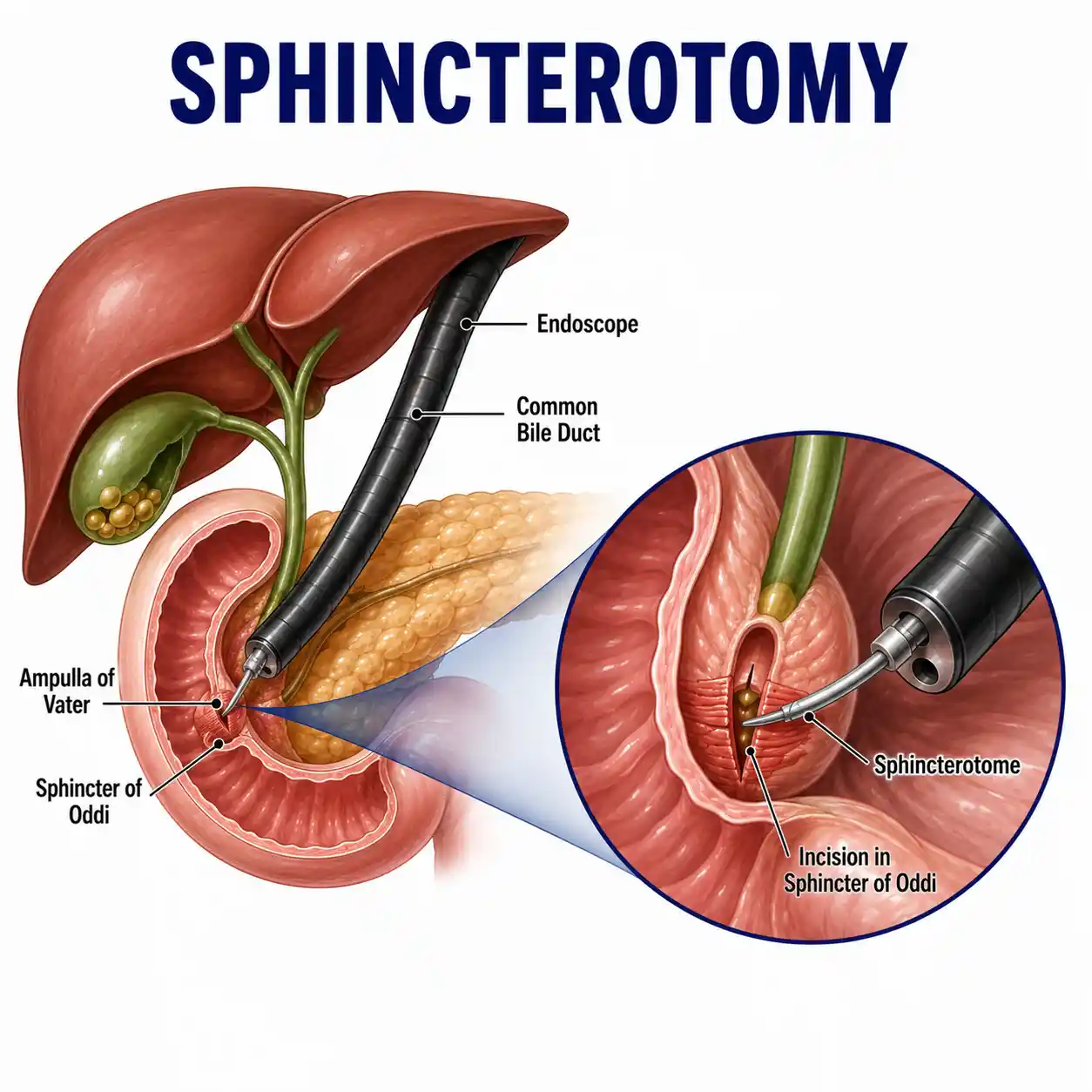
Sphincterotomy is a surgical procedure to treat conditions such as chronic anal fissures. These fissures can cause significant pain during bowel movements due to excessive tension in the anal sphincter muscle. A sphincterotomy involves an incision into this muscle, which helps reduce this tension and promotes the healing of fissures.
Performed by a skilled proctologist, sphincterotomy is typically an outpatient procedure, allowing patients to return home on the same day.
The process is designed for patients who haven’t responded adequately to conservative treatments for anal fissures. The procedure not only eases discomfort but also enhances the blood flow in the affected area, aiding in quicker recovery. Sphincterotomy has a high success rate and low complications. This makes it an effective treatment methodology for chronic anal fissures.
Free Fissure Surgery Cost Calculator
Fill details to get actual cost
Understanding the various types of sphincterotomy can provide you with a clearer insight into your treatment options. Below are two main approaches to performing a sphincterotomy:
Both of these procedures aim at alleviating spasms and tension in the anal sphincter. This helps to improve blood flow and promote healing of the fissure. Alternative procedures for sphincterotomy include fissurectomy and botulinum toxin injections. Fissurectomy involves removing the surface layer of the fissure to promote healing. Botulinum toxin injections temporarily relax the sphincter muscle, reducing spasms and facilitating recovery.
Before proceeding with a sphincterotomy, the doctor will diagnose the condition of chronic anal fissures. Several methods are employed to accurately determine the presence of this ailment:
A sphincterotomy is a surgical procedure that is performed to treat chronic anal fissures. Here are the steps involved:
The goal of both techniques is to minimise spasms and tension in the anal sphincter. This helps to increase blood flow and aid in fissure healing.
What Happens During Sphincterotomy Surgery?
 Step 1 · 30â60 mins
Hospital Admission
 The patient arrives at the hospital on the scheduled day of surgery.
Registration and admission formalities are completed.
Vital signs such as blood pressure, pulse, temperature, and oxygen levels are checked.
The surgeon reviews the patient's medical history, symptoms, and previous examination reports.
The patient arrives at the hospital on the scheduled day of surgery.
Registration and admission formalities are completed.
Vital signs such as blood pressure, pulse, temperature, and oxygen levels are checked.
The surgeon reviews the patient's medical history, symptoms, and previous examination reports.
 Step 2 · 20â40 mins
Pre-surgery Preparation
The colorectal surgeon evaluates the anal fissure or condition requiring sphincterotomy.
The anesthetist performs a final pre-anesthesia assessment.
Consent forms are signed after discussing the procedure, benefits, and possible risks.
The surgical area is cleaned and prepared.
An IV line is started for fluids, antibiotics, and medications.
 Step 3 · 10â15 mins
Anesthesia Administration
The patient is taken to the operation theatre.
Spinal anesthesia or short general anesthesia is administered to ensure a pain-free procedure
The patient becomes comfortable before the surgery begins.
 Step 4 · 20â40 mins
Sphincterotomy Procedure Begins
The surgeon makes a small incision near the anal opening.
A controlled portion of the internal anal sphincter muscle is carefully divided to reduce muscle spasm and pressure.
Reduced sphincter tension improves blood flow to the anal fissure area and promotes healing.
The treated area is checked for bleeding and proper muscle release.
The small incision may be left open to heal naturally or closed with sutures, depending on the surgical approach.
 Step 5 · 1â2 Hours
Recovery Room Observation
The patient is shifted to the recovery room for monitoring.
Nurses monitor blood pressure, pulse, oxygen levels, pain control, and comfort.
The surgical area is checked for bleeding or swelling.
Once fully awake and medically stable, the patient can drink fluids and walk with assistance.
 Step 6 · Same Day
Discharge
Most patients return home on the same day after sphincterotomy surgery.
Pain relief medicines, stool softeners, and antibiotics (if prescribed) are provided.
The patient is advised to maintain a high-fiber diet, drink adequate fluids, and take warm sitz baths for comfort and healing.
Instructions regarding hygiene, bowel habits, and activity restrictions are explained.
Follow-up appointments are scheduled to monitor healing.
Patients should seek medical attention if they experience heavy bleeding, fever, worsening pain, difficulty passing stools, or signs of infection.

Diet & Lifestyle Consultation

Post-Surgery Follow-Up

Free Cab Facility

24*7 Patient Support
An individual’s eligibility for the sphincterotomy procedure is determined by several factors:
A sphincterotomy, especially the lateral internal variety, is a surgical procedure that brings several benefits to patients suffering from chronic anal fissures. Here’s how it can help:
Before going through with a sphincterotomy, there are certain steps you, as a patient, need to follow:
After undergoing a sphincterotomy, certain steps aid in healing and minimize discomfort:
While sphincterotomy is generally a safe procedure, there are certain potential complications you need to be aware of:
Overall, sphincterotomy is a well-established procedure with a high success rate and manageable risks. This makes it a preferred treatment for chronic anal fissures.
The cost of sphincterotomy in India can vary depending on multiple factors.
These cost-affecting factors include:
Sphincterotomy is generally covered under health insurance plans in India. This is because it’s considered a necessary surgical procedure for treating chronic anal fissures. However, do note that the extent of coverage may differ depending on your specific insurance policy and insurance provider.
Typically, most health insurance policies cover surgeon’s fees, anaesthesia charges, hospital room rent, and ICU charges (if applicable). It also includes the cost of medicines and consumables used during the procedure along with pre-operative and post-operative consultations.
Despite coverage, pre-existing anorectal conditions may have a waiting period before being covered. Also, complications arising from the procedure due to negligence or improper medical care may not be covered. Additionally, certain insurance plans may require you to co-pay a portion of the treatment’s cost. Knowing your insurance coverage before undergoing a sphincterotomy is critical. Therefore, it’s advisable to discuss with your insurance provider or your family doctor for clarification about the same.
The length of the sphincterotomy procedure can vary depending on the individual case. Typically, it takes around 20-30 minutes to be completed. The duration may be extended if there are complexities involved.
No, a sphincterotomy is carried out under anaesthesia, which means you won’t feel any pain during the operation. Pain or mild discomfort may be experienced after the anaesthesia wears off, which can be managed with prescribed painkillers.
Post-operation, your doctor will likely recommend a specific diet to ensure a smooth recovery. This usually includes soft foods and liquids initially and gradually reintroduction of normal food as your body adjusts.
This depends on the nature of your job and how quickly your body recovers. It’s recommended to take at least one week off work after a sphincterotomy. If your job involves heavy lifting or intense physical activity, you may need to take more time off.
Physical therapy is not typically required following a sphincterotomy. However, your doctor will give you specific instructions about post-operative care, lifestyle changes and exercises. This promotes healing and prevents any further complications.
In India, the success rate for sphincterotomy procedures is quite high, with many patients experiencing significant relief from symptoms post-surgery. However, as with any medical intervention, results can vary among individuals due to various factors. This includes the age of the patient, overall health condition, and severity of the issue.
Post-sphincterotomy, your doctor will schedule regular follow-up appointments to monitor your healing process. It is crucial to attend these appointments and follow all the instructions given by the doctor for a speedy recovery.
Yes, sphincterotomy can be performed on both children and adults. However, the approach may vary depending on the age and health condition of the patient. The doctor will assess the suitability of the procedure on a case-by-case basis.