


 Views: 72,429
Possible Adenoids Treatment Options Without Surgery
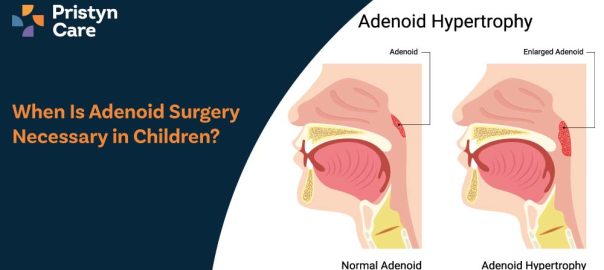
Adenoids are a patch of tissue located behind the nose, above the roof of the mouth, where the nose and throat meet. They are part of the immune system and are more prominent during childhood. In some children, the adenoids become enlarged because of repeated infections, allergies, or inflammation.


Dedicated Support at Every Step!
Our Doctors are available 24 hours a day, 7 days a week to help you!

Table of Contents
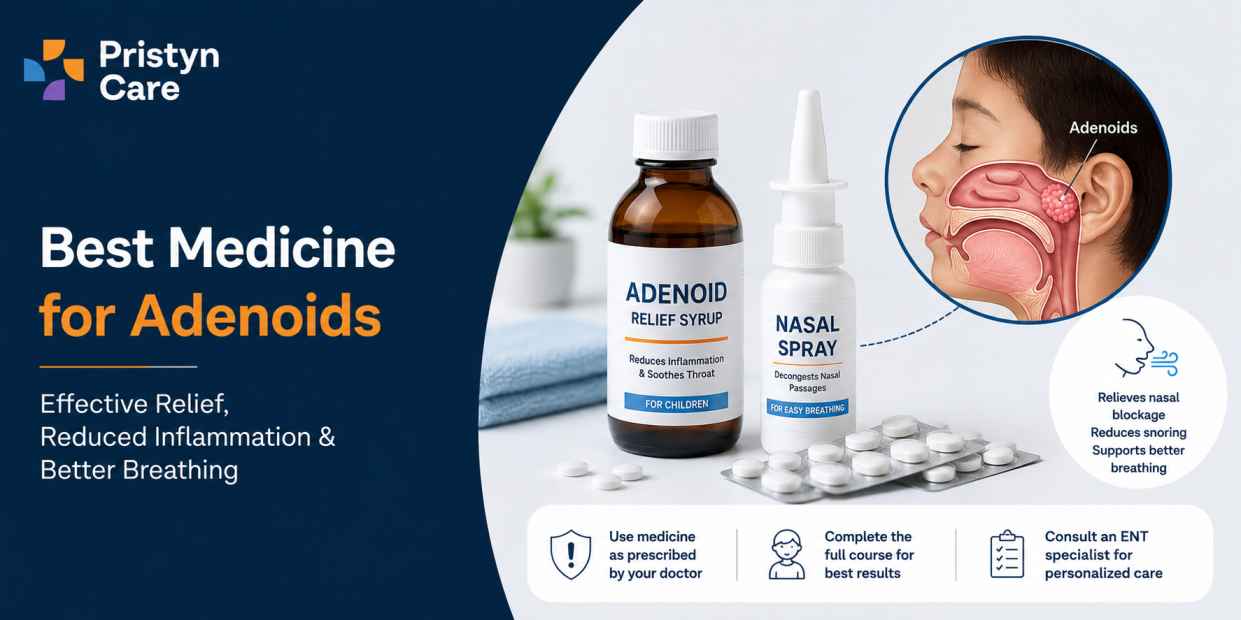
Best Medicine for Adenoids: Do Medicines Really Work for Enlarged Adenoids?
Enlarged adenoids can cause symptoms such as blocked nose, mouth breathing, snoring, disturbed sleep, nasal voice, recurrent ear infections, and difficulty breathing through the nose.
Medicines can sometimes help control inflammation or treat an underlying infection or allergy. However, medicines do not always permanently reduce significantly enlarged adenoids. When enlarged adenoids continue to obstruct the airway, affect sleep, contribute to recurrent ear problems, or cause persistent symptoms despite medical treatment, an ENT specialist may recommend further evaluation and, in selected cases, adenoidectomy (adenoid removal surgery).
No Cost EMI, Hassle-free Insurance Approval
What Are Enlarged Adenoids?
Adenoids are a small mass of lymphatic tissue located behind the nasal cavity. They are part of the body's immune defence system.
Adenoids naturally become smaller as children grow older. However, in some children, they remain enlarged or become swollen due to repeated infections, allergies, or chronic inflammation.
When the adenoids become significantly enlarged, they can partially block the passage between the nose and throat.
This may result in:
- Difficulty breathing through the nose
- Persistent nasal congestion
- Mouth breathing
- Snoring
- Restless or disturbed sleep
- Sleep-disordered breathing
- A nasal or blocked-sounding voice
- Recurrent ear infections
- A feeling of blocked ears or hearing difficulties
- Recurrent throat or upper respiratory symptoms
The severity of symptoms depends on the size of the adenoids and how much they obstruct the airway.
Is There a Best Medicine for Adenoids?
There is no single best medicine for adenoids that works for every child.
Treatment depends on the underlying cause and how significantly the enlarged adenoids are affecting breathing, sleep, ears, and overall health.
Depending on the child's symptoms, an ENT specialist may recommend:
- Medicines for an underlying infection when appropriate
- Nasal corticosteroid sprays in selected cases
- Treatment for allergies when allergies contribute to nasal symptoms
- Saline nasal irrigation or other supportive measures
- Observation when symptoms are mild
- Further evaluation when symptoms are persistent or severe
- Adenoidectomy when enlarged adenoids cause significant or persistent obstruction or related complications
The goal is not simply to make the adenoids smaller. The doctor needs to determine whether the enlarged tissue is actually causing clinically significant problems.
What Medicine Is Used for Adenoids?
There is no standard tablet or syrup that permanently cures enlarged adenoids.
Depending on the cause and symptoms, doctors may use different medical approaches.
| Treatment/Medicine | What It May Help With | Important Consideration |
| Nasal Corticosteroid Spray | May reduce nasal inflammation and obstruction in selected children | Should be used only as directed by a doctor |
| Saline Nasal Spray/Rinse | Helps clear nasal secretions and support nasal hygiene | Does not remove enlarged adenoid tissue |
| Anti-allergy Treatment | May help when allergies contribute to nasal congestion and inflammation | Treatment depends on the child's symptoms and diagnosis |
| Antibiotics | May be prescribed for certain confirmed bacterial infections | Do not treat enlarged adenoids themselves and should not be self-prescribed |
| Other Prescription Medicines | May address specific underlying causes or symptoms | Treatment varies from child to child |
| Adenoidectomy | Removes enlarged adenoid tissue when medically indicated | Considered when symptoms persist or obstruction/complications are significant |
The appropriate treatment should be decided after an ENT assessment rather than based solely on the size of the adenoids or an online medicine recommendation.
Can Medicine Shrink Enlarged Adenoids?
In some children, medical treatment may reduce inflammation and improve symptoms associated with enlarged adenoids.
For example, intranasal corticosteroids have been studied for their ability to reduce adenoid size and improve nasal obstruction in some children. However, the response varies, and medical treatment does not guarantee that significantly enlarged adenoids will remain small after treatment is stopped.
If the adenoids continue to obstruct the airway and cause significant symptoms, an ENT specialist may consider whether surgical removal is appropriate.
Therefore, medicine can sometimes manage the problem, but it is not always a permanent solution for significantly enlarged adenoids.
What Is Adenoids Homeopathy Medicine?
Adenoids homeopathy medicine and homeopathic medicine for adenoids are commonly searched by parents who want a non-surgical approach.
However, there is no single homeopathic medicine that can be considered a proven permanent treatment for enlarged adenoids.
If a child has mild symptoms, observation and treatment of contributing factors may be appropriate. But persistent mouth breathing, loud snoring, disturbed sleep, recurrent ear infections, or breathing difficulties should not be managed solely with homeopathic medicines without an appropriate ENT evaluation.
Delaying assessment can be particularly problematic when enlarged adenoids are affecting a child's sleep or breathing.
Does Homeopathic Medicine for Adenoids Work?
The effectiveness of homeopathic products for permanently treating enlarged adenoids has not been established in the same way as evidence-based medical treatments.
Parents may notice temporary improvement in symptoms while using different products, but improvement in nasal congestion or infection symptoms does not necessarily mean that the enlarged adenoid tissue has been permanently reduced.
If symptoms continue or repeatedly return, an ENT specialist can determine whether the adenoids are still enlarged and whether they are obstructing the airway.
Can Medicines Cure Adenoids Permanently?
Medicines generally aim to control the inflammation, infection, allergy, or symptoms associated with enlarged adenoids. They do not physically remove the enlarged tissue.
Some children improve as the adenoids naturally become smaller with age. Others may continue to have symptoms despite medical treatment.
If enlarged adenoids cause persistent obstruction, sleep-disordered breathing, recurrent ear problems, or other complications, an ENT specialist may recommend adenoidectomy.
Therefore, whether a child needs medicine, observation, or surgery depends on the underlying cause and the impact of the enlarged adenoids.
What Are the Symptoms of Enlarged Adenoids?
A child with enlarged adenoids may have one or more of the following symptoms:
- Breathing mainly through the mouth
- Constant or frequent nasal blockage
- Snoring at night
- Restless sleep
- Difficulty sleeping comfortably
- Pauses or irregularity in breathing during sleep
- Frequent nasal congestion
- Recurrent ear infections
- Hearing difficulties associated with middle-ear fluid
- A nasal-sounding voice
- Persistent bad breath
- Difficulty breathing through the nose
Not every child with enlarged adenoids will have all these symptoms.
The severity of symptoms depends on how much the adenoids obstruct the nasal airway and whether other conditions, such as enlarged tonsils or allergies, are also present.
How Are Enlarged Adenoids Diagnosed?
An ENT specialist may assess the child's symptoms, medical history, breathing pattern, sleep symptoms, ear health, and throat and nasal condition.
Depending on the situation, the doctor may use:
- Physical examination
- Nasal endoscopy
- Imaging in selected cases
- Hearing evaluation when ear symptoms are present
- Sleep evaluation when significant sleep-disordered breathing is suspected
A proper diagnosis is important because symptoms such as nasal congestion, snoring, and mouth breathing can have several possible causes.
When Does Medicine for Adenoids Not Work?
Medical treatment may not provide sufficient relief when:
1. The adenoids are significantly enlarged
Large adenoids can mechanically obstruct the nasal airway. Medicine may reduce inflammation but may not provide adequate long-term relief if the obstruction remains substantial.
2. Symptoms keep returning
Repeated episodes of nasal obstruction, snoring, mouth breathing, or ear problems may indicate that the underlying obstruction has not been resolved.
3. Sleep is affected
Persistent snoring, restless sleep, or breathing disturbances during sleep should be evaluated rather than treated indefinitely with self-selected medicines.
4. Ear problems develop
Enlarged adenoids can contribute to Eustachian tube dysfunction and middle-ear problems in some children.
5. The child continues to breathe through the mouth
Persistent mouth breathing may indicate significant nasal obstruction and warrants an ENT evaluation.
6. The child does not improve despite appropriate medical treatment
When symptoms persist despite an appropriate medical approach, the ENT specialist may discuss other treatment options.
 Doctor available
4.5/5

15+ Years Experience Overall
Doctor available
4.8/5
21+ Years Experience Overall
Doctor available
5.0/5
18+ Years Experience Overall
Doctor available
4.5/5
18+ Years Experience Overall
Doctor available.jpg/1674658718382_ban-Icon.png)
4.5/5
16+ Years Experience Overall
Doctor available
5.0/5
15+ Years Experience Overall
Doctor available
5.0/5
15+ Years Experience Overall
Doctor available
5.0/5
14+ Years Experience Overall
Doctor available
4.6/5
14+ Years Experience Overall
Doctor available
5.0/5
10+ Years Experience Overall
Doctor available
5.0/5
8+ Years Experience Overall
Doctor available
4.5/5
26+ Years Experience Overall
Doctor available
4.5/5
23+ Years Experience Overall
Doctor available
5.0/5
16+ Years Experience Overall
Doctor available
4.5/5
16+ Years Experience Overall
Doctor available
4.5/5
15+ Years Experience Overall
Doctor available
4.8/5
13+ Years Experience Overall
Doctor available
5.0/5
12+ Years Experience Overall
Doctor available
4.5/5
11+ Years Experience Overall
Can Enlarged Adenoids Affect Sleep?
Yes. Significantly enlarged adenoids can obstruct the upper airway and contribute to snoring and sleep-disordered breathing.
Some children may sleep with their mouth open, snore loudly, move around frequently during sleep, or experience breathing interruptions.
Poor-quality sleep can affect daytime behaviour, concentration, mood, and overall well-being.
If a child snores frequently or appears to struggle to breathe while sleeping, parents should consult an ENT specialist rather than relying only on adenoid medicine.
When Should You See an ENT Doctor for Adenoids?
Consider consulting an ENT specialist if your child has:
- Persistent mouth breathing
- Frequent or loud snoring
- Difficulty breathing through the nose
- Disturbed or restless sleep
- Breathing pauses during sleep
- Recurrent ear infections
- Hearing problems
- Persistent nasal blockage
- Repeated throat or upper respiratory symptoms
- Symptoms that continue despite medical treatment
An ENT specialist can determine whether the symptoms are caused by enlarged adenoids or another condition.
When Is Adenoidectomy Needed?
Not every child with enlarged adenoids needs surgery.
Adenoidectomy, or surgical removal of the adenoids, may be considered when enlarged adenoids cause significant or persistent problems that do not adequately improve with appropriate medical treatment.
An ENT specialist may consider surgery when there is:
- Significant nasal airway obstruction
- Persistent mouth breathing
- Sleep-disordered breathing associated with enlarged adenoids
- Recurrent or persistent ear problems associated with adenoid enlargement
- Persistent symptoms despite appropriate medical management
- Other complications related to enlarged adenoids
The decision is based on the child's symptoms, examination findings, and overall health rather than simply the size of the adenoids.
Is Adenoid Surgery Safe?
Adenoidectomy is a commonly performed ENT procedure, particularly in children who have clinically significant enlarged adenoids.
The procedure involves removing the enlarged adenoid tissue from behind the nose. It is generally performed under general anaesthesia.
Like any surgical procedure, adenoidectomy has potential risks and requires an appropriate preoperative assessment. The ENT surgeon will explain the expected benefits, possible risks, recovery, and alternatives before recommending surgery.
Adenoid Medicine vs Adenoidectomy: Which Is Better?
| Factor | Medicines & Observation | Adenoidectomy |
| Main purpose | Control inflammation, infection, allergy, or symptoms | Remove obstructive adenoid tissue |
| Best suited for | Mild symptoms or cases likely to respond to medical treatment | Significant or persistent obstruction and selected complications |
| Does it remove adenoids? | No | Yes |
| Recovery | Usually little or no procedure-related recovery | Requires a short postoperative recovery period |
| Long-term result | Depends on the underlying cause and response to treatment | Removes the existing enlarged adenoid tissue |
| Need for evaluation | Important before prolonged treatment | Essential before surgery |
Medicines and surgery are not necessarily competing treatments. In some cases, medical treatment is tried first. If symptoms persist or the obstruction is significant, surgery may then be considered.

Free Adenoidectomy Surgery Cost Calculator

Our care coordinator will call you shortly.
Can Adenoids Come Back After Surgery?
Adenoid tissue can sometimes regrow after adenoidectomy, although significant symptomatic regrowth is not common.
The likelihood of regrowth can depend on factors such as the child's age, underlying inflammation, and the amount of tissue remaining after surgery.
If symptoms such as nasal obstruction, snoring, or mouth breathing return after surgery, an ENT specialist can evaluate the cause.
How Can You Manage Adenoid Symptoms at Home?
Home measures may help support symptom management, but they cannot replace an ENT evaluation when symptoms are persistent or severe.
Helpful measures may include:
- Encourage adequate fluid intake.
- Maintain good nasal hygiene.
- Avoid exposure to tobacco smoke.
- Manage known allergies according to medical advice.
- Keep the child's sleeping environment comfortable.
- Follow prescribed medicines exactly as recommended.
- Avoid giving antibiotics or other prescription medicines without medical advice.
If the child continues to snore, breathe through the mouth, or have difficulty sleeping, do not rely indefinitely on home remedies.
Is There a Permanent Cure for Enlarged Adenoids Without Surgery?
It depends on the cause and severity.
In some children, adenoid-related symptoms improve with age or with appropriate medical management of contributing conditions such as allergies or inflammation.
However, when enlarged adenoids are causing significant physical obstruction, medicines cannot simply remove the tissue.
In such cases, an ENT specialist may recommend adenoidectomy when the expected benefits outweigh the risks.
Therefore, searching for the "best medicine for adenoids" is only one part of the treatment process. The more important question is whether the enlarged adenoids are causing clinically significant obstruction or complications.
Choose the Right Treatment Instead of Self-Medicating
There is no universal best medicine for adenoids or homeopathic medicine for adenoids that permanently works for every child.
Medical treatment can be useful when inflammation, allergies, or infection contribute to symptoms. However, significantly enlarged adenoids can continue to cause physical airway obstruction even after temporary inflammation improves.
If your child has persistent mouth breathing, snoring, nasal blockage, disturbed sleep, recurrent ear infections, or breathing difficulties, an ENT evaluation is important.
The ENT specialist can determine whether observation, medicines, allergy management, or adenoidectomy is the most appropriate option.
At Pristyn Care, patients can consult ENT specialists for evaluation of enlarged adenoids and related breathing, sleep, nasal, and ear symptoms. Based on the diagnosis and severity, the doctor can recommend appropriate medical treatment or discuss adenoidectomy when clinically indicated.
Frequently Asked Questions
What is the best medicine for adenoids?
There is no single best medicine for enlarged adenoids. Treatment depends on the cause and severity of symptoms. Doctors may recommend medicines for inflammation, allergies, or infections in selected cases.
Can homeopathic medicine cure enlarged adenoids?
There is no established homeopathic medicine proven to permanently remove enlarged adenoid tissue. Children with persistent breathing, sleep, or ear symptoms should undergo an appropriate ENT evaluation.
Can medicine shrink adenoids?
Some medical treatments, particularly certain nasal corticosteroids, may reduce inflammation and adenoid size in some children. However, the response varies and medicines do not always provide a permanent solution.
When is adenoid surgery needed?
Adenoidectomy may be considered when enlarged adenoids cause significant or persistent nasal obstruction, sleep-disordered breathing, recurrent ear problems, or symptoms that do not adequately improve with appropriate medical treatment.
Does every child with enlarged adenoids need surgery?
No. Many children with enlarged adenoids do not require surgery. The decision depends on symptoms, the degree of obstruction, associated complications, and response to medical treatment.
Can enlarged adenoids affect sleep?
Yes. Significantly enlarged adenoids can contribute to snoring and sleep-disordered breathing. Persistent or severe nighttime breathing problems should be evaluated by an ENT specialist.
Do adenoids naturally become smaller?
Yes. Adenoids generally become smaller as children grow. However, the timing and degree of shrinkage vary, and some children may have significant symptoms before natural shrinkage occurs.


Disclaimer
This article is intended for informational purposes only and should not be considered a substitute for professional medical advice, diagnosis, or treatment. Medicines should not be started or continued for prolonged periods without appropriate medical guidance. If a child has persistent nasal obstruction, mouth breathing, loud snoring, breathing difficulties during sleep, recurrent ear infections, or hearing problems, consult a qualified ENT specialist for proper evaluation.
Social share:




- Adenoidectomy Treatment in Hyderabad
- Adenoidectomy Treatment in Ghaziabad
- Adenoidectomy Treatment in Bangalore
- Adenoidectomy Treatment in Pune
- Adenoidectomy Treatment in Mumbai
- Adenoidectomy Treatment in Chennai
- Adenoidectomy Treatment in Noida
- Adenoidectomy Treatment in Delhi
- Adenoidectomy Treatment in Faridabad
Related Calculators

Dedicated Support at Every Step!
Our Doctors are available 24 hours a day, 7 days a week to help you!
Related Calculators
Get In Touch with our expert doctors !
- please enter 10 digit number.


