


Intestinal worms are parasites that can live in the digestive tract and cause infections in humans. Common types include roundworms, pinworms, hookworms, tapeworms and certain flukes. These infections may spread through contaminated food, water, soil or contact with infected faeces.
Some people with intestinal worms do not experience noticeable symptoms. Others may develop digestive problems, nutritional deficiencies or other complications, depending on the type of parasite and the severity of the infection. Recognising the symptoms and getting the right diagnosis can help prevent complications.
Table of Contents
Common Symptoms of Intestinal Worms
The symptoms of intestinal worm infections can vary depending on the parasite involved. Common signs include:
- Abdominal pain or discomfort.
- Diarrhoea, nausea or vomiting.
- Unexplained weight loss.
- Bloating or changes in appetite.
- Fatigue or weakness, sometimes due to nutritional deficiencies or anaemia.
- Anal itching, particularly at night, which is common with pinworm infections.
- Visible worms or worm segments in the stool in some infections.
These symptoms can also occur due to other digestive conditions. Therefore, symptoms alone cannot confirm an intestinal worm infection.
What Causes Intestinal Worm Infections?
Intestinal worm infections generally occur when parasite eggs or larvae enter the body. Common sources of infection include:
- Undercooked or contaminated food: Eating raw or undercooked meat or fish containing certain parasites can cause infection.
- Contaminated water: Drinking untreated water can expose a person to parasites.
- Contaminated soil: Some worm larvae or eggs can enter the body through contaminated soil, including through unprotected skin contact with certain parasites.
- Poor hand hygiene: Touching contaminated surfaces, food or objects and then touching the mouth can spread certain worm infections.
- Inadequate sanitation: Exposure to human faeces in areas with poor sanitation can increase the risk of infection.
After entering the body, some parasites develop and reproduce in the intestines. Others may migrate through different tissues before reaching the digestive tract. The symptoms and course of infection depend on the parasite.
10 Foods to Include in Your Diet During Intestinal Worm Infections
Several foods contain nutrients, fibre and other compounds that support general health and digestive function. However, there is no reliable clinical evidence that eating ginger, garlic, papaya seeds or other commonly suggested foods can reliably kill intestinal worms or cure a parasitic infection.
Food should not replace prescribed antiparasitic medication. If you have symptoms of an intestinal worm infection, consult a doctor for diagnosis and appropriate treatment. The following foods can be included as part of a balanced diet.
-
Ginger
Ginger contains naturally occurring compounds such as gingerols. It can be used in meals or beverages and may help some people manage mild digestive discomfort. However, eating ginger has not been established as a treatment for intestinal worms.

-
Garlic
Garlic contains sulphur-containing compounds and can be included in a balanced diet. Although some laboratory studies have explored its antimicrobial properties, eating raw garlic has not been proven to eliminate intestinal worm infections in humans. Consuming large quantities may also cause acidity or digestive irritation.
-
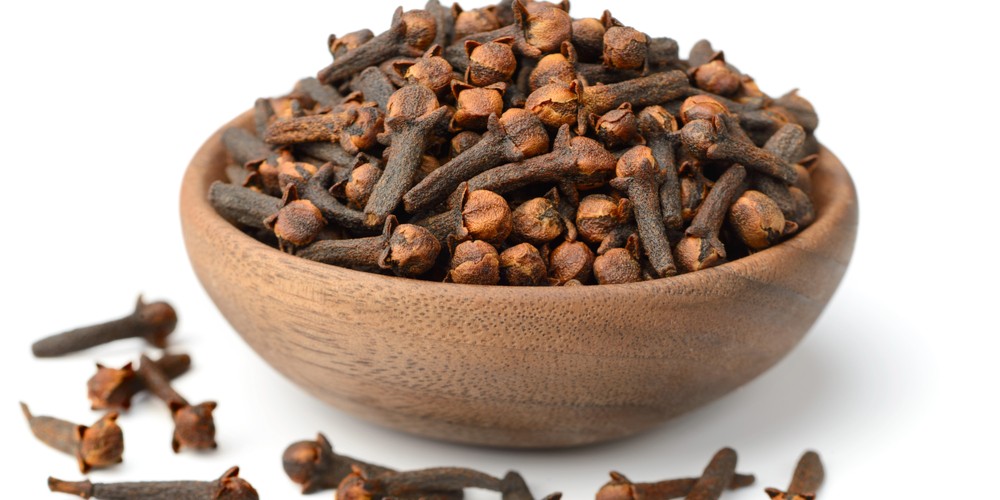
Cloves
Cloves contain eugenol, a compound studied for various biological properties. However, laboratory findings do not establish that cloves or clove preparations can treat intestinal worm infections in people. Use cloves as a culinary spice rather than as a substitute for medical treatment.
-
Carrots
Carrots are a source of beta-carotene, which the body converts into vitamin A. Vitamin A supports normal immune function and vision. Including carrots in your meals can contribute to a nutritious diet, but they do not directly kill intestinal worms.
-
Coconut Water
Coconut water provides fluids and electrolytes such as potassium. It may help with fluid intake, particularly when someone has mild fluid loss. However, it does not eliminate intestinal parasites or replace oral rehydration solution when diarrhoea causes dehydration.

-
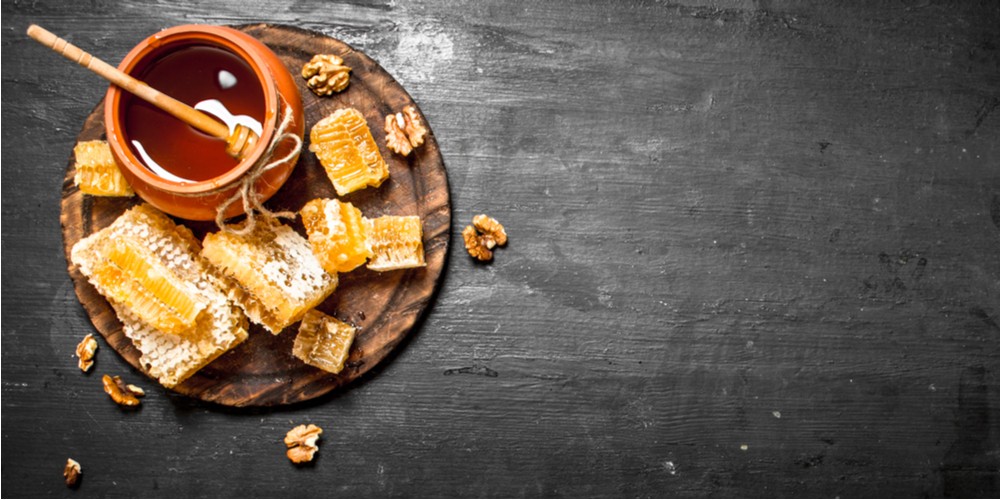
Honey
Honey contains naturally occurring sugars and small amounts of antioxidant compounds. It can be used as a sweetener, but there is no reliable evidence that consuming honey kills intestinal worms. Avoid giving honey to children younger than 12 months because of the risk of infant botulism.
-
Fermented Foods
Foods such as curd, yoghurt, idli and dosa can be part of a balanced diet. Some fermented foods contain beneficial microorganisms, although their probiotic content varies. They may support general digestive health, but they have not been proven to kill intestinal worms or prevent their reproduction.
-
Edible Seeds
Seeds provide fibre, healthy fats and other nutrients. They can be included in meals as part of a varied diet.
- Pumpkin seeds: Provide fibre, protein and minerals such as magnesium and zinc. They are not a proven treatment for tapeworms or roundworms.
- Papaya seeds: Some preliminary research has investigated their possible antiparasitic properties, but the available evidence is insufficient to recommend them as a treatment for intestinal worm infections. Avoid relying on them or consuming large quantities as a remedy.
- Sunflower seeds: Contain vitamin E and healthy fats, which contribute to normal nutritional health. They do not directly eliminate intestinal parasites.
-
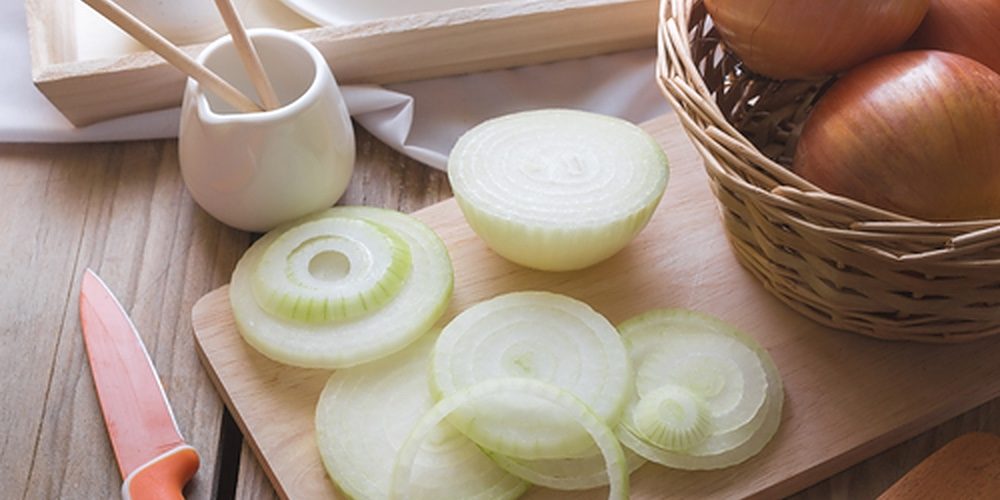
Onions
Onions contain fibre and naturally occurring plant compounds. They can add flavour and nutrients to everyday meals. However, there is no established clinical evidence that eating raw onions or combining them with garlic cures intestinal worm infections.
-
Berries
Strawberries, blueberries and blackberries contain fibre, vitamins and antioxidant compounds called polyphenols. They support a balanced diet, but eating berries has not been shown to clear intestinal worms in humans. Wash fresh berries thoroughly under clean running water before eating them.
Also Read: 15 Foods You Thought Were Healthy but Actually Aren’t!
How Are Intestinal Worms Diagnosed?
A doctor may recommend one or more tests depending on your symptoms, medical history and suspected parasite.
- Stool examination: A stool sample may be examined for parasite eggs, larvae or other evidence of infection. More than one sample may sometimes be needed.
- Blood tests: Certain blood tests can help identify signs of infection, such as an increased eosinophil count, or detect antibodies in selected parasitic infections.
- Tape test: This test may be used to detect pinworm eggs around the anus, usually by collecting a sample in the morning before bathing or using the toilet.
- Imaging or other investigations: Ultrasound, CT scans or other tests may be recommended if a doctor suspects complications or parasites affecting organs outside the intestines.
Treatment for Intestinal Worms
Intestinal worm infections are generally treated with antiparasitic medicines. The choice of medication depends on the type of worm, the person’s age, medical history and the severity of the infection.
Commonly used medicines include:
- Albendazole: Used for several types of intestinal worm infections.
- Mebendazole: Used for certain infections, including pinworm and roundworm infections.
- Praziquantel: Used for specific tapeworm and fluke infections.
- Ivermectin: Used for selected parasitic infections, depending on the diagnosis.
These medicines are not interchangeable, and the appropriate dose and duration vary by infection. Do not self-medicate or take deworming medicines repeatedly without medical advice. Some infections require additional treatment or follow-up testing. Household members may also need evaluation or treatment in certain infections, particularly pinworm.
How to Prevent Intestinal Worm Infections
Good hygiene, safe food preparation and proper sanitation can reduce the risk of intestinal worm infections.
- Wash your hands with soap and clean water before eating or preparing food and after using the toilet.
- Wash fruits and vegetables thoroughly with safe, clean water.
- Cook meat and fish thoroughly. Avoid raw or undercooked animal products that may carry parasites.
- Drink safe, treated or properly boiled water when the water supply is uncertain.
- Keep fingernails short and clean, particularly for children who may touch contaminated surfaces.
- Wear footwear in areas where soil may be contaminated.
- Use hygienic toilets and dispose of human waste safely.
- Wash bedding, towels and clothing regularly when a household member has a pinworm infection, following medical guidance.
When Should You Consult a Doctor?
Consult a healthcare professional if you experience persistent abdominal pain, diarrhoea, unexplained weight loss, ongoing fatigue, anal itching or visible worms in your stool.
Seek urgent medical attention if you develop severe abdominal pain, repeated vomiting, blood in your stool, significant dehydration, a swollen abdomen or difficulty passing stool or gas. These symptoms may indicate a complication or another condition that needs prompt evaluation.
Final Thoughts
Intestinal worm infections can cause digestive symptoms and, in some cases, nutritional deficiencies or serious complications. Foods such as ginger, garlic, carrots, berries and seeds can contribute to a balanced diet, but none should be considered a proven cure for intestinal worms.
The most effective approach is to identify the parasite through appropriate testing and follow the treatment recommended by a doctor. Practising good hand hygiene, drinking safe water and eating properly cooked food can also help reduce the risk of infection.
If you notice symptoms that may indicate an intestinal worm infection, consult a doctor for an appropriate evaluation and treatment plan.
 Doctor available