Select city location icon
Select City
location
Get my Location
search icon
phone icon in white color

Call Us

Book FREE Appointment

Fistulectomy - A Surgical Procedure to Treat Anal Fistulas

Anal fistula, a cause of discomfort and ongoing inconvenience for many, can be effectively treated through a surgical procedure called "Fistulectomy". This medical intervention involves the complete removal of the abnormal tract, providing long-lasting relief.

Anal fistula, a cause of discomfort and ongoing inconvenience for many, can be ... Read More

anup_soni_banner
Book FREE Doctor Appointment
cost calculator
Anup Soni - the voice of Pristyn Care pointing to download pristyncare mobile app
i
i
i
i
Call Us
Call icon
We are Rated
3 M+ Happy Patients
200+ Hospitals
30+ Cities

To confirm your details, please enter OTP sent to you on *

i

30+

Cities

Free Cab Facility

Free Cab Facility

No-Cost EMI

No-Cost EMI

Support in Insurance Claim

Support in Insurance Claim

1-day Hospitalization

1-day Hospitalization

USFDA-Approved Procedure

USFDA-Approved Procedure

What is Fistulectomy?

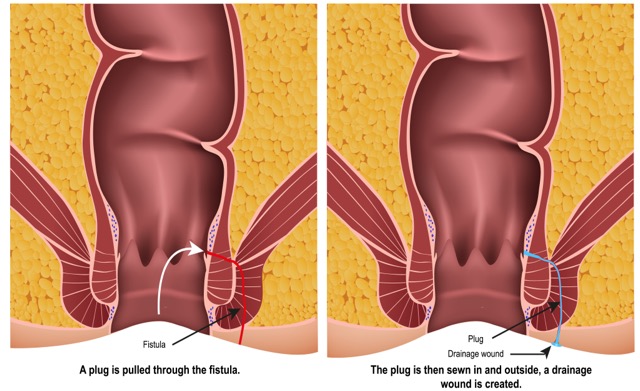
Fistulectomy is a surgical procedure used to treat an anal fistula, a condition where an abnormal connection forms between the anal canal and the skin near the anus. During a fistulectomy, the surgeon removes the entire fistulous tract to eliminate the infection and prevent recurrence. This procedure is typically recommended when less invasive treatments, such as fistulotomy, are not suitable due to the complexity or location of the fistula.

The surgery is performed under anesthesia, and the surgeon carefully excises the fistula tract, ensuring minimal damage to surrounding tissues, including the sphincter muscles, which are crucial for bowel control. After the procedure, the wound is left open to heal naturally or may be sutured, depending on the case. Recovery involves wound care and managing pain, with most patients able to resume normal activities within a few weeks. The success rate of fistulectomy is high, making it an effective treatment option for complex or recurrent anal fistulas.
fistulectomyfistulectomy
cost calculator

Free Fistula Surgery Cost Calculator

Fill details to get actual cost

i
i
i

To confirm your details, please enter OTP sent to you on *

i

Procedure for Fistulectomy

Fistulectomy is a surgical procedure that aims to treat anal fistulas. The procedure steps involve:

  • Preparation: You are positioned comfortably on the operating table and given either local or general anaesthesia, depending on the complexity of your case.
  • Identification of the Fistula: The surgeon locates the internal and external openings of the fistula using a special probe.
  • Excision of the Fistulous Tract: The surgeon then removes the entire fistulous tract. This could involve a Fistulotomy where the tract is opened and left to heal as a scar. In more complex cases, a seton, a piece of surgical thread, may be placed to allow for gradual cutting through the fistula.
  • Closure: Depending on the extent of the surgery, the wound can be left open to heal naturally or stitched closed.
  • Postoperative Care: After surgery, you are monitored for complications. Pain management, sitz baths, and dietary changes may be advised to expedite recovery. It is important to follow the doctor’s instructions to ensure a speedy and complete recovery.

Who is the Right Candidate for Fistulectomy?

Determining who is eligible for Fistulectomy is based on the person’s symptoms and the impact of the anal fistula on their daily life. Here are certain criteria that make someone a suitable candidate:

  • Persistent Symptoms: Recurring pain, discomfort, and discharge from the anal region that interferes with daily activities might warrant a Fistulectomy.
  • Failed Conservative Treatment: A Fistulectomy is considered when non-surgical or simple medical treatments have not yielded satisfactory results.
  • Health Status: Overall health status also needs to be taken into account. People with well-controlled diabetes or who are not suffering from serious heart or lung diseases are typically considered good candidates for surgery.

Remember, every patient is unique, and your doctor will carefully consider your specific circumstances before recommending a Fistulectomy.

Benefits of Fistulectomy

A fistulectomy is a surgical procedure that provides significant relief to individuals suffering from an anal fistula. Fistulas can severely impact one’s quality of life. Here are some of the key benefits of undergoing a fistulectomy:

  • Fistulectomy eliminates the entire fistula tract, reducing the chance of recurrence compared to other procedures like fistulotomy.
  • Various studies have established that fistulectomy results in fewer instances of recurrence, without significantly increasing the risk of incontinence compared to other surgical options.
  • For non-anorectal fistulas, fistulectomy often emerges as the best option as it aids in the removal of diseased soft tissue.

Pristyn Care’s Free Post-Operative Care

Diet & Lifestyle Consultation

Post-Surgery Follow-Up

Free Cab Facility

24*7 Patient Support

How to Prepare for Fistulectomy?

Before going in for a fistulectomy, preparation plays an integral role. Here’s what you may expect:

  • The surgeon will conduct an exhaustive examination, including imaging procedures like an MRI or endoanal ultrasound, to evaluate the fistula.
  • You may have to undergo an assessment under anaesthesia for a more comprehensive evaluation and potential treatment in a single visit.
  • Depending on the complexity of the fistula, you will be administered anaesthesia, either general or local.

What are the Recovery Tips and Precautions to follow after Fistulectomy?

Recovery from a fistulectomy typically entails:

  • Most fistulectomies are performed on an outpatient basis, enabling you to return home the same day. However, deeper or larger fistulas might necessitate a short stay at the hospital.
  • Pain management with prescribed medications, sitz baths, and using laxatives or stool softeners for about a week are generally recommended.
  • Post-surgery, pain and discomfort in the area are expected, for which pain killers are prescribed for a short period.
  • While many individuals can go back to work and resume normal routines within 1 to 2 weeks post-surgery, complete healing can take weeks to months.

Potential Risks or Complications associated with Fistulectomy

As with any surgical procedure, a fistulectomy does carry certain risks and potential complications. Here are some possibilities:

  • Incontinence: One of the most significant risks associated with fistulectomy is fecal incontinence. The procedure may involve cutting through the anal sphincter muscles, which can lead to varying degrees of incontinence. Studies indicate that the incidence of incontinence after fistulectomy ranges from approximately 5.9% to 8.8%.
  • Recurrence of Fistula: There is a possibility of the fistula recurring after surgery. Recurrence rates can vary, with studies showing rates between 8.88% and 12.9% for fistulectomy procedures.
  • Infection: Postoperative infections can occur, which may require further treatment. Although infections are relatively uncommon, they can lead to complications if not managed promptly.
  • Delayed Wound Healing: Patients may experience prolonged healing times, particularly if the surgical site is large or if there is significant tissue dissection involved.
  • Wound Dehiscence: This refers to the reopening of the surgical wound, which can occur due to tension on the sutures or infection.
  • Urinary Retention: Some patients may experience urinary retention post-surgery, which can be uncomfortable and may require additional management.
  • Bleeding: Minor bleeding can occur from the raw area left after the surgery, although significant bleeding is rare.
  • Creation of a False Fistula: In some cases, the surgery may inadvertently create a new fistula.
  • Complexity of Fistula: Patients with complex fistulas (e.g., high transsphincteric or suprasphincteric) may face higher risks of complications due to the intricate nature of the anatomy involved.

Cost of Fistulectomy in India

If you or a loved one needs a fistulectomy, understanding the cost is crucial. But it is equally important to know that there are several factors that influence the cost of fistulectomy in India:

  • Hospital: Different hospitals could charge different rates for a fistulectomy. The type and reputation of the hospital can play a significant role in determining the price.
  • Surgeon’s Expertise: More experienced surgeons might charge more for their services due to their higher skill level and better success rate.
  • Case Complexity: More complex cases might require more resources and therefore come with a higher cost.
  • Location: Cities and hospitals in different regions could have varying prices due to differences in living costs and the availability of medical facilities.

Is Fistulectomy covered under Insurance?

Understanding how your insurance policy applies to the cost of your fistulectomy is essential. Fistulectomy is generally covered under health insurance plans in India; however, the specifics can vary by provider and individual policy.

Most insurance plans cover the surgical fees, charges for the hospital stay, anaesthetic fees, and pre-operative and post-operative care. However, they may not include any additional cosmetic surgery not deemed medically necessary or treatments unrelated to the fistula surgery. Patients may still be responsible for deductibles, co-pays, and other out-of-pocket costs depending on their insurance plan.

It is advised you consult with your insurance provider to understand the specifics of your coverage. Always inquire about any required pre-authorisation for the procedure and extent of coverage for related medical expenses. Remember: proper knowledge can make your health journey smoother and less stressful!

FAQ

Is fistulectomy always the recommended treatment for anal fistula?

Not always. The treatment for an anal fistula depends on various factors such as its location, the patient’s health condition, and the fistula’s complexity. While a fistulectomy is a common procedure, other less invasive treatments might be considered in some situations.

How long does it take to perform a fistulectomy?

Typically, a fistulectomy procedure can take anywhere between 1 to 2 hours. This duration might increase depending on the complexity of the anal fistula.

How long does it take to recover from a fistulectomy?

The recovery period post-fistulectomy usually ranges from a few weeks to several months, varying with individual health factors and the complexity of the anal fistula.

Can I return to my normal routine immediately after a fistulectomy?

No, you’re advised to rest and avoid strenuous activities for a while post-surgery. You may resume your usual activities gradually, under your doctor’s guidance.

Can an anal fistula recur after a fistulectomy?

Yes, there’s a possibility of recurrence even after a successful fistulectomy. Regular follow-ups with your doctor are important to monitor your recovery and detect any potential recurrence early on.

Can I eat normally after a fistulectomy?

You may need to follow dietary restrictions for some time after the surgery as advised by your doctor. Your recommended diet would typically consist of soft foods high in fibre, that encourage smoother bowel movements.

How painful is a fistulectomy?

Pain following a fistulectomy varies from person to person. However, pain management is an integral part of post-operative care and your doctor will prescribe appropriate painkillers to manage any discomfort you may experience.

Can exercising help in recovering from a fistulectomy?

Yes, light physical activities like walking can aid in your recovery and help prevent complications such as blood clots. However, it’s crucial that you only start exercising after your doctor gives the go-ahead.


View more questions downArrow