A runny nose, frequent sneezing, and nasal congestion are common symptoms of conditions such as the common cold and allergic rhinitis. Although these symptoms often improve on their own, they can cause discomfort and interfere with daily activities.
Antibiotics do not treat viral infections such as the common cold. Taking them without medical advice can cause side effects and contribute to antibiotic resistance. Instead, simple home-care measures may help relieve symptoms while your body recovers.
Here are 10 ways to manage a runny nose and sneezing at home.
-
Table of Contents
Drink Warm Fluids

Warm water, tea, and soup can soothe an irritated throat and help maintain hydration. Although warm drinks do not cure a cold or stop a runny nose directly, they may provide temporary relief from discomfort. Choose drinks that suit your health needs and avoid beverages that worsen your symptoms.
-
Identify and Avoid Your Triggers

A runny nose and repeated sneezing may result from allergies rather than an infection. Common triggers include:
- Pollen
- Mould
- Dust mites and household dust
- Pet dander
- Strong perfumes and smoke
- Sudden changes in temperature
- Viruses that cause the common cold
Reducing exposure to known allergens may help control symptoms. Antihistamines or nasal sprays may be useful for allergic rhinitis, but choose them with advice from a healthcare professional or pharmacist, particularly if you have other medical conditions or take other medicines.
Also read: Tips to Prevent Dust Allergy During Winters
-
Try a Saline Nasal Rinse
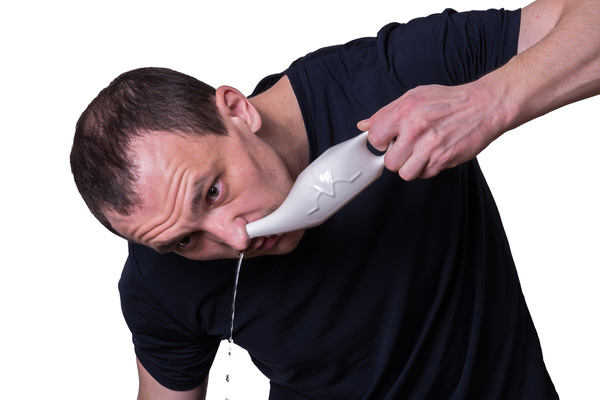
A saline nasal rinse can help remove mucus, allergens, and other irritants from the nasal passages. A neti pot or another nasal irrigation device can be used with an appropriate saline solution.
Safety tip: Use only distilled or sterile water, or water that has been boiled and then cooled, to prepare a nasal rinse. Never use untreated tap water. Clean and dry the device according to the manufacturer’s instructions. Stop if rinsing causes significant pain or bleeding.
-
Use Humidified Air or Take a Warm Shower

Warm, humidified air or a warm shower may temporarily ease nasal discomfort. However, steam does not reliably stop a runny nose or shorten a cold.
Avoid leaning over bowls of boiling water, as hot steam can cause serious burns. If you use a humidifier, clean it regularly to prevent mould and bacterial growth.
-
Get Adequate Rest

Rest and adequate sleep support recovery when you have a respiratory infection. Keep drinking fluids and consider elevating your head slightly while sleeping if nasal congestion makes breathing uncomfortable.
If you use a nasal decongestant spray, follow the product instructions. Many decongestant sprays should not be used for more than three consecutive days unless a clinician advises otherwise, because prolonged use can worsen congestion.
-
Get Zinc Through Your Diet

Zinc is an essential nutrient that supports normal immune function. Some evidence suggests that certain oral zinc lozenges may modestly shorten the duration of a common cold when started early, but the results vary and zinc does not reliably prevent or immediately relieve a runny nose.
Food sources include beans, lentils, nuts, seeds, dairy products, and meat. Supplements can cause nausea and interact with some medicines. Avoid intranasal zinc products, which have been associated with loss of the sense of smell. Consult a healthcare professional before using high-dose supplements.
-
Choose Foods That Soothe Congestion

Spicy foods containing chilli, ginger, or pepper may temporarily make the nose run and help loosen mucus. However, they do not cure a cold or treat the underlying cause of congestion. Avoid spicy foods if they worsen heartburn or irritate your throat.
-
Eat Vitamin C-Rich Foods

Vitamin C supports normal immune function. Include foods such as oranges, guavas, kiwis, strawberries, and bell peppers in a balanced diet. Getting enough vitamin C is important for health, but consuming extra amounts after cold symptoms begin is unlikely to provide substantial relief for most people.
-
Try Honey for Cough Relief

Honey may help soothe a sore throat and relieve coughing associated with a cold. However, there is limited evidence that it directly treats a runny nose or repeated sneezing.
Honey must not be given to children younger than 12 months because of the risk of infant botulism. People who need to monitor their blood sugar should also consider its sugar content.
-
Apply a Warm Compress

A clean, warm, damp cloth placed gently over the nose and cheeks may ease facial discomfort associated with congestion. Use comfortably warm water rather than hot water to avoid burns. A warm compress may provide temporary comfort, but it does not cure the infection or reliably clear blocked sinuses.
When Should You See a Doctor?
A runny nose caused by a common cold often improves within 7–10 days, although some symptoms may last longer. Seek medical advice if symptoms persist without improvement, worsen after initially getting better, or repeatedly interfere with daily life.
Consult a healthcare professional if you experience a persistent high fever, severe facial pain, worsening symptoms, or symptoms that suggest an allergy requiring treatment. Seek urgent medical care for difficulty breathing, chest pain, confusion, or other severe symptoms.
Conclusion
Warm drinks, rest, saline nasal rinses, a warm compress, and avoiding allergens may help relieve a runny nose and sneezing. These measures provide symptom relief rather than a guaranteed cure, and the best approach depends on whether the cause is a viral infection, an allergy, or another condition.
If your symptoms persist, recur frequently, or worsen, consult an ENT doctor for assessment and appropriate treatment.
- Also read: 9 Indian Home Remedies for Cold That Surely Work for Mom-to-Be
- Also read: Common Factors That May Affect Fertility
- Also read: Piles Treatment Options
- Also read: 4 Methods for Kidney Stone Removal
- Also read: Laser Circumcision: Benefits and Recovery