Select City

Joint replacement surgery is an advanced orthopedic procedure that replaces damaged or worn-out joint surfaces with artificial implants to relieve pain, restore mobility, and improve quality of life. It is most commonly performed for severe osteoarthritis, rheumatoid arthritis, joint injuries, and degenerative joint diseases affecting the knee, hip, and shoulder joints. Modern techniques such as robotic joint replacement surgery, computer-assisted surgery, and minimally invasive procedures have significantly improved surgical precision, recovery, and long-term outcomes.
Joint replacement surgery is an advanced orthopedic procedure that replaces damaged or worn-out ... Read More




Free Cab Facility

No-Cost EMI

Support in Insurance Claim

1-day Hospitalization

USFDA-Approved Procedure
Joint replacement surgery, also known as joint arthroplasty, involves removing damaged cartilage and bone from a joint and replacing them with artificial implants made of metal, ceramic, or high-grade polyethylene.
The procedure is commonly recommended when non-surgical treatments such as medications, physiotherapy, injections, and lifestyle modifications fail to provide adequate relief.
Free Knee Replacement Surgery Cost Calculator
Fill details to get actual cost
A patient may require joint replacement surgery if they experience:
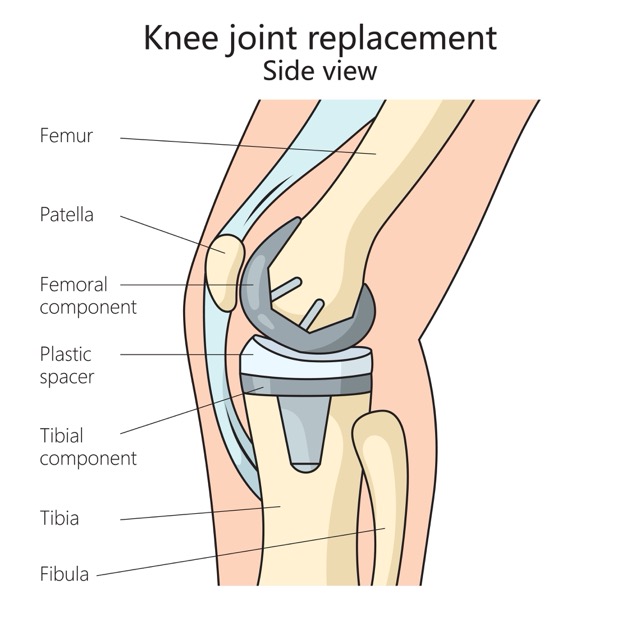
Knee Replacement Surgery
Knee replacement surgery is the most commonly performed joint replacement procedure and includes:
Hip Replacement Surgery
Hip replacement is recommended for patients with severe hip arthritis, fractures, or joint degeneration and may include:
Shoulder Replacement Surgery
Shoulder replacement helps relieve pain and improve movement in patients with severe shoulder arthritis or rotator cuff damage.
Types include:
Other Joint Replacement Procedures
Robotic joint replacement surgery uses advanced 3D imaging and computer-assisted technology to help surgeons achieve highly accurate implant positioning and alignment.
Benefits include:

Diet & Lifestyle Consultation

Post-Surgery Follow-Up

Free Cab Facility

24*7 Patient Support
The surgery typically involves:
Depending on the joint involved, surgery may take between 1 and 3 hours.
Patients are usually advised to:
First Few Days
First 6 Weeks
2 to 3 Months
6 to 12 Months
Rehabilitation plays a vital role in recovery by helping patients:
A structured physiotherapy program significantly improves long term outcomes.
Although generally safe, possible complications include:
Choosing an experienced orthopedic surgeon helps minimize these risks.
Joint replacement procedures have high success rates:
Most patients experience significant pain relief and improved mobility after surgery.
The cost of joint replacement surgery varies depending on:
| Procedure | Approximate Cost |
|---|---|
| Total Knee Replacement | ₹1.5 lakh – ₹4.5 lakh |
| Robotic Knee Replacement | ₹2.5 lakh – ₹6 lakh |
| Total Hip Replacement | ₹2 lakh – ₹5 lakh |
| Shoulder Replacement | ₹2 lakh – ₹5 lakh |
| Revision Joint Replacement | ₹3 lakh – ₹8 lakh+ |
Yes. Most health insurance policies cover medically necessary joint replacement surgeries, including knee replacement, hip replacement, and shoulder replacement. Coverage depends on policy terms, waiting periods, and insurer guidelines
Joint replacement surgery is a procedure that replaces damaged parts of a joint with artificial implants to relieve pain and improve function.
Total joint replacement replaces the entire joint, while partial replacement involves only the damaged portion.
Knee replacement is recommended when severe arthritis or joint damage causes chronic pain and reduced mobility despite conservative treatment.
Total knee arthroplasty is another term for total knee replacement surgery, where the entire damaged knee joint is replaced.
Robotic-assisted surgery offers greater precision, improved alignment, and potentially faster recovery in suitable patients.
Most patients recover sufficiently for daily activities within 6 to 12 weeks, while full recovery may take several months.
Joint replacement procedures have success rates exceeding 90%, with long-term pain relief and improved mobility.
Yes. Healthy elderly patients often benefit significantly from joint replacement surgery when joint pain severely impacts mobility and quality of life.
Revision surgery is performed to replace or repair a previously implanted artificial joint that has worn out, loosened, or developed complications.
Many patients begin walking with assistance within 24 hours after surgery as part of their rehabilitation program.