
Table of Contents
Essential Oils for Ear Pain: Uses, Safety and Home Remedies
Ear pain can develop due to several causes, including ear infections, earwax buildup, pressure changes and irritation of the ear canal. Although essential oils are sometimes promoted as natural remedies, there is insufficient clinical evidence that they can safely treat ear infections.
Some oils may irritate the skin or damage the ear if used incorrectly. Avoid putting essential oils, carrier oils or homemade mixtures inside the ear, particularly if you have ear discharge, a perforated eardrum or ear tubes.
Also Read: Home Remedies for Ear Infection
10 Oils Commonly Discussed for Ear Pain
Olive, mustard, coconut and several essential oils are often mentioned in home remedies for earache. However, laboratory findings about antimicrobial properties do not establish that these oils can treat infections in the human ear. The following information describes their common uses and important precautions, not proven treatments.
-
Olive Oil

Olive oil is sometimes used to soften earwax. However, it does not treat an ear infection or reliably relieve inflammation inside the ear. Do not warm oil and pour it into the ear, particularly if the eardrum may be damaged.
Also Read: Home Remedies for Ear Pain in Children
-
Mustard Oil

Mustard oil is used in some traditional home remedies, but there is no reliable clinical evidence that putting it in the ear treats infection or earache. It may irritate sensitive skin, so avoid using it inside the ear canal.
-
Coconut Oil

Coconut oil is sometimes promoted for its moisturising properties and laboratory-observed antimicrobial activity. However, it has not been established as a safe or effective treatment for an ear infection. Avoid placing it inside the ear without medical advice.
Read More: Coconut Oil for Ear Pain
-
Lavender Oil

Lavender oil is commonly used in aromatherapy for relaxation. Although it has been studied for certain biological properties, there is insufficient evidence that it treats ear infections or reliably relieves earache. Undiluted oil can irritate the skin.
-
Tea Tree Oil

Tea tree oil has demonstrated antimicrobial activity in some laboratory studies, but this does not prove that it can treat an ear infection safely. It can cause irritation or allergic reactions.
Do not put tea tree oil, colloidal silver, apple cider vinegar or homemade oil mixtures into the ear. These substances may irritate the ear canal and could cause harm if the eardrum is perforated.
-
Basil Oil

Basil essential oil is sometimes discussed for its potential antimicrobial and anti-inflammatory properties. However, there is no reliable clinical evidence that it cures ear infections. Avoid applying it inside the ear or directly to irritated skin.
-
Eucalyptus Oil

Eucalyptus oil contains compounds that have been studied for their biological properties. However, there is insufficient evidence that applying it around or inside the ear treats an infection. The concentrated oil may irritate the skin and can be toxic if swallowed.
-
Thyme Oil

Thyme oil contains compounds such as thymol that have shown antimicrobial activity in laboratory settings. This does not establish its effectiveness or safety for treating ear infections. Do not put thyme oil directly into the ear, even when diluted with a carrier oil.
-
Rosemary Oil
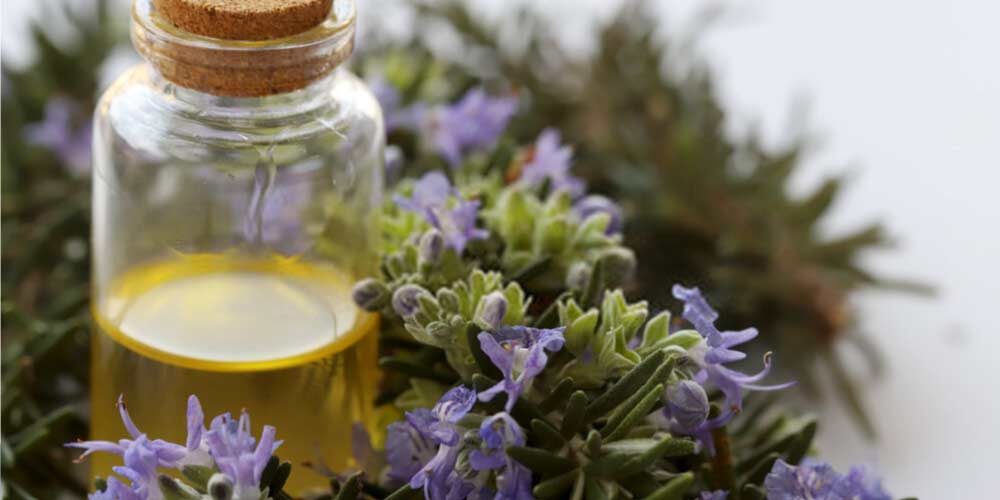
Rosemary oil is used in aromatherapy and topical products. Evidence does not establish it as a treatment for ear infections or earache. Avoid applying it inside the ear or near the ear canal.
-
Oregano Oil

Oregano oil contains compounds such as carvacrol, which have been investigated for antimicrobial properties. However, there is insufficient clinical evidence that oregano oil treats ear infections. Concentrated preparations may irritate or damage delicate tissue.
How to Use Essential Oils for Earache Safely
Essential oils should not be poured or dripped into the ear canal to treat ear pain. Diluting an essential oil with a carrier oil does not make it safe for use inside the ear.
If you want to use aromatherapy for relaxation, follow the product instructions and avoid direct contact with the ear canal. Keep concentrated oils away from children and pets.
For ear pain, safer supportive measures include:
- Apply a warm compress: Hold a comfortably warm, clean cloth against the outer ear for 10–20 minutes. Avoid excessive heat.
- Consider an appropriate pain reliever: Paracetamol or ibuprofen may help when suitable for your age and medical history. Follow the label or your healthcare professional’s advice.
- Keep the ear dry: Avoid swimming and prevent water from entering the ear if an infection or eardrum problem is suspected.
- Avoid inserting objects: Do not use cotton buds, fingers or other objects to clean the ear canal.
- Seek medical advice about ear drops: The correct drops depend on the cause of the pain and whether the eardrum is intact.
Also Read: Home Remedies for Earwax Removal
What Other Home Remedies Can Help Relieve Ear Pain?
Home care may help manage discomfort, but it cannot reliably treat the underlying cause of an ear infection. Consider these supportive measures while arranging medical care when needed.
-
Use a Warm Compress
Place a comfortably warm cloth over the outer ear for temporary pain relief. Do not use heat that could burn the skin.
-
Include Garlic in Your Diet
Garlic can be part of a balanced diet, but eating it has not been shown to cure an existing ear infection. Do not put garlic cloves or garlic oil into the ear.
-
Try Gentle Neck Movements
Gentle neck movements may help if discomfort is related to muscle tension. They do not treat an ear infection, so stop if the movements cause pain or dizziness.
-
Use a Cool Compress if Comfortable
A cool cloth held against the outer ear may help some people feel more comfortable. Do not apply ice directly to the skin.
-
Consider Over-the-Counter Pain Relief
Suitable pain relievers may reduce discomfort but do not necessarily treat the infection. Consult a healthcare professional before using medication for a young child or if you have other medical conditions.
Safety of Using Essential Oils for Ear Infections
Essential oils are concentrated substances that can cause skin irritation, allergic reactions and other adverse effects. Their safety around the ear depends on the specific oil, concentration and method of exposure.
- Do not put essential oils, cooking oils or homemade mixtures inside the ear unless a healthcare professional specifically recommends a suitable product.
- Avoid ear drops and oils if you have ear discharge, a suspected perforated eardrum, ear tubes or a history of ear surgery until you receive medical advice.
- Do not use essential oils to soften earwax when an ear infection or eardrum problem is suspected.
- Keep essential oils away from children’s reach and never allow them to swallow concentrated oils.
Seek prompt medical attention if ear pain is severe, persistent or worsening, or if it is accompanied by fever, discharge or a change in hearing. Sudden hearing loss, swelling or redness behind the ear, severe dizziness or facial weakness requires urgent assessment.
Consult an ENT doctor to determine the cause of your symptoms and identify the appropriate treatment.