

- Procedure Type
Surgical
- Common/ Other Name of surgery
Phacoemulsification
- Procedure Duration
20-30 minutes
- Anesthesia
Topical
₹30000
₹35000
₹40000

Choose Your City
It help us to find the best doctors near you.

Visakhapatnam
Ahmedabad
Madurai
Aurangabad
Coimbatore
Nashik
Kozhikode
Thiruvananthapuram
Kochi
Raipur
Vijayawada
Ranchi
Hyderabad
Jaipur
Lucknow
Patna
Bangalore
Pune
Bhubaneswar
Mumbai
Indore
Chennai
Noida
Kolkata
Delhi
Chandigarh
Gurgaon
Delhi
Hyderabad
Pune
Mumbai
Bangalore
 Doctor Not Found

4.5/5
48 Years Experience
 Pristyn Care Elantis Hospital, Lajpat Nagar, Delhi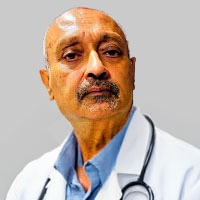
4.5/5
47 Years Experience
Pristyn Care Elantis Hospital, Lajpat Nagar, Delhi
4.5/5
45 Years Experience
Pristyn Care Elantis, Ring Road, Lajpat NagarCost of Cataract Surgery in India
The cost of cataract surgery in India varies widely, typically ranging from Rs. 40,000 to Rs. 80,000. This price range depends on several factors, including the type of surgery, the hospital’s location, and the surgeon’s expertise. A significant factor in the total cost is the type of intraocular lens used, which can be assessed by reviewing the cataract lens price list. This list provides a range from [please put your price range here], reflecting the costs for different lens types and brands.
For a precise estimate, it’s crucial to consult with a healthcare provider. They will provide a comprehensive breakdown based on your specific medical needs and preferences. Consulting a professional ensures that you understand all associated costs, helping you prepare financially and make an informed decision regarding your eye health.
Call Us for Best Quote
Get the best Cost Estimate
| City | Price range(min-max) | Get Free Estimate Cost |
|---|---|---|
| bangalore | ₹ 30000 - ₹ 40000 | Get Free Cost |
| chennai | ₹ 30000 - ₹ 40000 | Get Free Cost |
| delhi | ₹ 30000 - ₹ 40000 | Get Free Cost |
| hyderabad | ₹ 30000 - ₹ 40000 | Get Free Cost |
| mumbai | ₹ 30000 - ₹ 40000 | Get Free Cost |
| pune | ₹ 30000 - ₹ 40000 | Get Free Cost |
bangalore
Price range(min-max)
₹30000-₹40000
Get Free Estimate Cost
₹35000
chennai
Price range(min-max)
₹30000-₹40000
Get Free Estimate Cost
₹35000
delhi
Price range(min-max)
₹30000-₹40000
Get Free Estimate Cost
₹35000
hyderabad
Price range(min-max)
₹30000-₹40000
Get Free Estimate Cost
₹35000
mumbai
Price range(min-max)
₹30000-₹40000
Get Free Estimate Cost
₹35000
pune
Price range(min-max)
₹30000-₹40000
Get Free Estimate Cost
₹35000
What is Cataract Surgery?
Cataract surgery is a medical procedure to remove the lens of your eye when it has become cloudy, often due to ageing. This cloudiness can impair vision, making activities like reading, driving, or even recognising faces difficult. The surgery involves replacing the cloudy lens with a clear artificial one to restore clear vision.
There are five main types of cataract surgery:
- Phacoemulsification (Phaco Surgery): This common technique uses ultrasound waves to break up the cloudy lens into small pieces, which are then removed through suction.
- Extracapsular Cataract Extraction (ECCE): In this method, the cloudy lens is removed in one piece, which is useful when the cataract is too dense for phacoemulsification.
- Intracapsular Cataract Extraction (ICCE): This technique involves removing the entire lens and the surrounding capsule, which is less common today.
- Laser-Assisted Cataract Surgery (LACS): This procedure uses laser technology rather than manual instruments to make incisions and soften the lens for removal.
- Refractive Lens Exchange with Intraocular Lens (IOL) implants: Similar to cataract surgery, this involves replacing the lens, but it is typically performed to correct refractive errors rather than cataracts.
Factors Influencing the Cost of Cataract Surgery
Cataract surgery is a crucial procedure for restoring vision affected by the clouding of the eye’s natural lens. The cost of this surgery in India can be influenced by a variety of factors:
- Type of Intraocular Lens (IOL): The cataract lens price heavily influences the overall cost. Choices range from standard mono-focal lenses to premium multifocal and toric lenses, which are more expensive due to their advanced features.
- Surgeon’s Expertise: The surgeon’s experience and reputation can significantly impact the cost. More experienced and well-known surgeons typically charge higher fees due to their expertise and successful track record.
- Medical Facility: The standard and location of the hospital or clinic also play critical roles. Facilities equipped with advanced technology and located in urban areas generally have higher costs compared to those in rural settings.
- Geographical Location: Costs can vary significantly between different regions. Urban centres like Mumbai or Delhi might charge more due to higher overall healthcare costs.
- Preoperative and Postoperative Care: The extent of care needed both before and after the surgery affects the total cost. This includes consultations, diagnostic tests, follow-up visits, and medications.
- Surgical Technique: Advanced surgical techniques such as laser-assisted cataract surgery (LACS) can be more costly than traditional methods. These newer techniques often result in quicker recovery and better precision but at a higher cost.
- Insurance and Financing Options: The availability of insurance coverage and the specifics of the policy can reduce out-of-pocket expenses. Additionally, some hospitals offer financing options or comprehensive packages that might include various aspects of the procedure at a fixed cost.
- Government Subsidies and Schemes: Eligibility for government assistance can significantly lower the financial burden for those who qualify. These subsidies are aimed at making cataract surgery accessible to a broader segment of the population.
Understanding these factors can help you better prepare for the expenses associated with cataract surgery and explore various options to manage the costs effectively. It’s essential to consult healthcare providers to get a personalised estimate that considers all these elements.
Additional Costs Associated with Cataract Surgery
Cataract surgery involves various costs beyond the basic surgery fee. Understanding these additional costs is crucial for effective financial planning. Here’s a breakdown of the typical diagnostic tests and other expenses you might encounter:
- Diagnostic Tests:
- Eyesight test: Costs between Rs. 500-1000.
- A-scan (Ultrasound biometry): Costs around Rs. 800-1200, used for eye measurements to prepare for lens implantation.
- Biometric test: Typically costs Rs. 700-1000.
- Pupillary dilation: Costs between Rs. 500-1000, essential for a thorough examination of the retina.
- Slit lamp exam: Costs about Rs. 300-800, to examine the front part of the eye.
- Retinal exam: Generally costs Rs. 500-1000.
- Applanation tonometry: Priced around Rs. 800-1200, measures the eye pressure.
- Contrast sensitivity: Costs between Rs. 500-1000, tests the eyes’ ability to distinguish between fine increments of light versus dark.
- Consultation Fees: Before surgery, consultations can range widely depending on the surgeon’s expertise and the facility’s reputation. The cost can vary from Rs. 500 to Rs. 3,000 per session.
- Surgeon’s Fee: The surgeon’s fee depends on their experience and reputation. This can range significantly, typically from Rs. 25,000 to Rs. 1,00,000, forming a substantial part of the overall surgery cost.
- Hospital or Surgical Facility Fees: These fees vary based on the facility’s standards and location. Costs can range from Rs. 10,000 in basic facilities to upwards of Rs. 1,50,000 in more advanced, urban facilities.
- Type of Intraocular Lens (IOL): The cataract lens price significantly influences the total cost.
- Mono-focal Lenses: Generally, these cost between Rs. 10,000 and Rs. 25,000. These lenses provide clear vision at one distance, typically set for distance vision.
- Multifocal and Toric Lenses: These lenses, which offer enhanced vision correction potentially eliminating the need for glasses, can cost between Rs. 25,000 and Rs. 95,000.
- Postoperative Care: This includes medications, follow-up visits, and management of any complications. The costs can vary but generally range from Rs. 5,000 to Rs. 15,000, depending on the extent of care required and the medications prescribed.
These costs provide a broad framework. It is advisable to consult directly with healthcare providers for the most accurate and personalised cost estimates.
Is Cataract Surgery Covered Under Insurance?
- any complications. The costs can vary but generally range from Rs. 5,000 to Rs. 15,000, depending on the extent of care required and the medications prescribed.
These costs provide a broad framework. It is advisable to consult directly with healthcare providers for the most accurate and personalised cost estimates.
Cataract surgery is generally covered under health insurance in India, but there are specific conditions and limitations depending on the policy. It is crucial to check the terms of your insurance policy to understand what is covered. Typically, insurance will cover the procedure if it is deemed medically necessary, which is usually the case with cataract surgery as it is performed to restore vision impaired by cataracts.
However, the insurance may not cover all types of intraocular lenses, especially the more expensive multifocal lenses, unless specified in the policy. There might also be sub-limits on the amount that can be claimed for cataract surgery, which could affect the total reimbursement available.
Most insurance policies have a waiting period, generally ranging from one to two years after purchasing the policy before cataract surgery can be claimed. For successful claims, especially in the case of cashless insurance, pre-authorisation from the insurance company is necessary before the surgery. This involves submitting required documents and obtaining approval, which can be initiated at network hospitals.
For reimbursement claims, you would need to pay upfront and then submit the necessary documentation to your insurance provider to claim the expenses. It is advisable to keep all receipts and medical records to ensure a smooth claim process.
Always verify directly with your insurance provider for the most accurate and specific information regarding coverage for cataract surgery, as policies can vary widely.

Call Us for Best Quote
Get the best Cost Estimate
Cataract Lens Price List
| Lens Type | Lens Price |
|---|---|
| TECNIS Monofocal lens price | Rs. 45,000 to Rs. 55,000 |
| TECNIS Multifocal lens price | Rs. 65,000 to Rs. 75,000 |
| TECNIS Synergy Toric price | Rs. 80,000 to Rs. 90,000 |
| TECNIS Eyhance lens price | Rs. 45,000 to Rs. 55,000 |
| ACRYSOF IQ Monofocal price | Rs. 30,000 to Rs. 35,000 |
| ACRYSOF IQ RESTOR Multifocal price | Rs. 75,000 to Rs. 90,000 |
| ACRYSOF IQ Toric price | Rs. 75,000 to Rs. 90,000 |
| ACRYSOF IQ PANOPTIX Trifocal price | Rs. 80,000 to Rs. 90,000 |
Pristyn Care vs Others
| Benefits | Pristyn Care | Others |
|---|---|---|
| Recovery Follow-up Consultation |  |  |
| 24x7 Care Coordinator | | |
| No Cost EMI | | |
| Pickup & Drop Services | | |
| Hospital Duration | Short | Long |
| Minimum Paper Work | | |
Why Pristyn Care?

Consultation For 50+ Diseases Across India
Pristyn Care provides consultation for 50+ diseases and treatments such as Piles, Hernia, Kidney Stones, Cataract, Gynecomastia, Abortion, IVF, etc. across 30+ major cities in India.

Medical Expertise With Technology
Our surgeons spend a lot of time with you to diagnose your condition. You are assisted in all pre-surgery medical diagnostics. We offer advanced laser and laparoscopic surgical treatment. Our procedures are USFDA approved.
.svg)
Assisted Surgery Experience
A dedicated Care Coordinator assists you throughout the surgery journey from insurance paperwork, to free commute from home to hospital & back and admission-discharge process at the hospital.

Post Surgery Care
We offer Recovery follow-up consultations and instructions including dietary tips as well as exercises to every patient to ensure they have a smooth recovery to their daily routines.
FAQs around Eye Lens Price
Is cataract surgery painful?
Cataract surgery is generally not painful because it is performed under local anaesthesia, which numbs the eye area. Patients might feel slight pressure but no pain during the procedure. Any mild discomfort post-surgery can usually be managed with over-the-counter pain relief.
What is the recovery time for cataract surgery?
The recovery time for cataract surgery is relatively short. Many patients notice improved vision within a few days, but complete healing can take up to 4 weeks. It is crucial to follow your doctor’s advice on eye care post-surgery to ensure a smooth recovery.
What causes cataracts in the eye?
Cataracts develop when ageing or injury changes the tissue that makes up your eye’s lens. Some inherited genetic disorders that cause other health problems can increase your risk of cataracts. Cataracts can also be caused by other eye conditions, past eye surgery or medical conditions such as diabetes.
Is cataract surgery high risk?
Cataract surgery is considered a safe procedure. However, as with any surgery, it carries some risks, such as infection, bleeding, and inflammation. Advanced techniques in cataract surgery have significantly reduced these risks, making it a commonly successful procedure.
At what age do cataracts start?
Cataracts can start to form at any age, but they typically begin to affect vision after age 40. The likelihood of developing cataracts increases significantly with age, with more than half of people aged 80 having cataracts or having had cataract surgery.
What food not to eat after cataract surgery?
After cataract surgery, it’s advisable to avoid foods that are high in salt and sugar. These can increase inflammation and hinder recovery. Focus on a balanced diet rich in antioxidants, like leafy greens, fruits, and whole grains to promote eye health.
Who cannot get cataract surgery?
Cataract surgery may not be suitable for patients with certain serious health issues that could complicate surgery or recovery. Individuals with advanced glaucoma or severe diabetic retinopathy, for instance, might be advised against undergoing cataract surgery.
Which lens is used for cataract?
The type of lens used in cataract surgery is called an intraocular lens (IOL). There are several types of IOLs available, including mono-focal lenses, which are set for one level of vision, and multifocal lenses, which allow for clear vision at multiple distances.
How long can a cataract lens last?
A cataract lens, or intraocular lens (IOL), is designed to last a lifetime. The materials used in IOLs are durable and typically do not wear out, degrade, or need replacement.
Can a cataract lens move?
It is rare for a cataract lens to move once it is placed during surgery. However, in some cases, the lens implant may shift slightly within the eye, a condition known as IOL dislocation. This can happen immediately after surgery or years later and might require further treatment.
Download Pristyn Care App
Pristyn Care is India’s leading and trusted online healthcare platform for Doctor Consultation, Ayushman Bharat Health Account (ABHA) formation, access to COWIN vaccination certificate etc.

4.9 Stars
Average rating

1Mn+ Downloads
Across all platforms

1.9K Reviews
On iOS and Google Play
4.9 Stars
Average rating
1Mn+ Downloads
Across all platforms
1.9K Reviews
On iOS and Google Play



Cataract Surgery Cost in Top Cities

Cataract Treatment in Top Cities
.svg)