


Kidney stones, also known as renal calculi, are hard deposits of minerals and salts that form in the kidneys. They can cause severe pain, blood in the urine, nausea, and difficulty passing urine. The right treatment depends on the size and location of the stone, its composition, and the severity of symptoms.
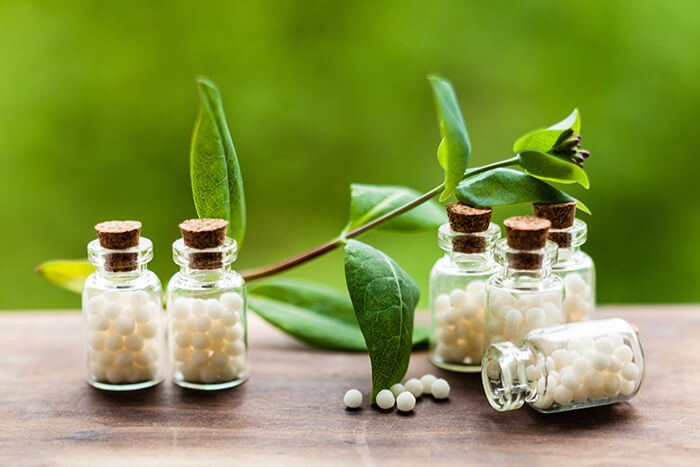
Homeopathy is sometimes promoted as a natural treatment for kidney stones. However, there is no reliable scientific evidence that homeopathic medicines can dissolve kidney stones, help them pass, or prevent them from recurring. If you suspect you have kidney stones, consult a qualified healthcare professional for an accurate diagnosis and an appropriate kidney stone treatment plan.
Some people explore homeopathic remedies to manage discomfort, but these should not replace evidence-based medical care. Delaying appropriate treatment may increase the risk of complications, particularly when a stone blocks the urinary tract or an infection develops.
Table of Contents
Homeopathic Medicines for Kidney Stones: What You Should Know
Several remedies are traditionally mentioned in homeopathic literature for symptoms associated with kidney stones. However, their effectiveness and safety for treating kidney stones have not been established through reliable clinical evidence. The remedies listed below should not be considered proven treatments or substitutes for medical evaluation.
Argentum Nitricum

Argentum nitricum is a remedy described in traditional homeopathic practice. There is no reliable clinical evidence that it removes kidney stones, relieves urinary obstruction, or treats kidney-related pain. Blood in the urine, reduced urine output, or persistent back or side pain requires medical assessment.
Belladonna

Belladonna is mentioned in traditional homeopathic practice for certain pain-related symptoms. It has not been proven to treat kidney stones. Sudden, severe pain in the side, back, or lower abdomen should be evaluated by a healthcare professional, especially if accompanied by fever, vomiting, or urinary problems.
Benzoic Acid

Benzoic acid is another remedy described in homeopathic literature. Changes in urine colour, smell, or consistency cannot reliably identify a kidney stone or determine its composition. A doctor may recommend urine tests, blood tests, and imaging to assess the underlying cause of urinary symptoms.
Berberis Vulgaris

Berberis vulgaris is traditionally associated with urinary and kidney-related discomfort in homeopathic practice. However, there is insufficient reliable evidence that it can dissolve or remove kidney stones. Persistent pain, painful urination, or a feeling of incomplete bladder emptying should be assessed medically.
Lycopodium Clavatum

Lycopodium clavatum is mentioned in traditional homeopathic practice for certain urinary symptoms. There is no established clinical evidence that it treats stones affecting either kidney. The appropriate treatment should be based on diagnostic findings rather than the side of the body where pain occurs.
Hydrangea Arborescens

Hydrangea arborescens is traditionally promoted in some alternative medicine practices for urinary complaints. Claims that it acts as a stone breaker or dissolves kidney stones have not been established by reliable clinical evidence. Sand-like particles or deposits in urine are not enough to confirm that a stone is present or has passed.
If you have symptoms of kidney stones, consult a qualified doctor before trying alternative remedies. The treatment plan may include pain management, adequate fluid intake when appropriate, medication to help selected stones pass, or a procedure to remove or break up the stone.

What If Homeopathy Does Not Provide Relief?
Kidney stones can sometimes pass naturally, but others may cause persistent pain, urinary obstruction, or infection. Relying on homeopathy or waiting for symptoms to resolve can delay necessary treatment. A healthcare professional can determine the stone’s size and location and recommend the most suitable approach.
When Should You Seek Medical Treatment?
Seek urgent medical care if kidney stone symptoms are accompanied by fever or chills, difficulty or inability to pass urine, uncontrolled pain, or persistent vomiting. These symptoms may indicate a complication requiring prompt treatment.
Medical Treatment Options for Kidney Stones
Kidney stone treatment varies according to the stone’s size, location, composition, and the patient’s overall health. Common options include the following:
- Laser lithotripsy: During ureteroscopy, a doctor passes a thin instrument through the urethra and bladder into the urinary tract. A laser is then used to break the stone into smaller fragments that can be removed or passed in the urine. The procedure is generally performed under anaesthesia.
- Shockwave lithotripsy: This procedure uses focused shockwaves from outside the body to break certain kidney stones into smaller fragments. The fragments may then pass through the urine. It is suitable for selected stones, depending on their size, location, and other clinical factors.
Your doctor may also recommend observation, medication, or other procedures depending on your condition. Learn more about shockwave treatment and the available kidney stone treatment options.
The Bottom Line
Kidney stones require timely assessment to reduce the risk of complications. Although homeopathic remedies are sometimes promoted for kidney stones, there is no reliable scientific evidence that they dissolve stones or prevent their recurrence. Do not delay medical care in favour of unproven treatments.
If you experience recurring pain, blood in the urine, or difficulty passing urine, consult a qualified healthcare professional. Based on the stone’s size and location, your doctor can recommend an appropriate treatment plan, which may include observation, medication, or a minimally invasive procedure.
For more information about kidney stone treatment, explore the available services at Pristyn Care and consult a qualified doctor to understand your options.
Also Read:
 Doctor available