
indiatreatment
Select City Sidebar Icon
Select City
Pristyn Care Logo
Select city location icon
Select City
location
Get my Location
search icon
phone icon in white color

Call Us

Book FREE Appointment

Home  >  Cataract Surgery  > Cataract Nuclear

Nuclear Cataract Surgery

The development of nuclear cataracts, a condition that clouds the center of your eye's lens, is a natural part of aging that can impair your vision significantly. Thankfully, with advancements in medical technology, nuclear cataract surgery treatment has become a safe and effective solution to restore clear vision. The surgery involves the removal of the cloudy lens and its replacement with an artificial intraocular lens (IOL). If you are facing vision problems due to nuclear cataracts, don't compromise on your quality of life. Reach out to Pristyn Care today and book an appointment with our expert ophthalmologists for top-notch treatment.

The development of nuclear cataracts, a condition that clouds the center of your ... eye's lens, is a natural part of aging that can impair your vision significantly. Thankfully, with advancements in medical technology, nuclear cataract surgery treatment has become a safe and effective solution to restore clear vision. The surgery involves the removal of the cloudy lens and its replacement with an artificial intraocular lens (IOL). If you are facing vision problems due to nuclear cataracts, don't compromise on your quality of life. Reach out to Pristyn Care today and book an appointment with our expert ophthalmologists for top-notch treatment. Read More

anup_soni_banner
💯 No Booking Fees
Book FREE Doctor Appointment
Close popup icon
cost calculator
Anup Soni - the voice of Pristyn Care pointing to download pristyncare mobile app
Name
i
i
Phone
+91
i
City
i
Call Us
Call icon
We are Rated
3 M+ Happy Patients
200+ Hospitals
30+ Cities

To confirm your details, please enter OTP sent to you on *

i

3M+

Happy Patients

50+

Disease

200+

Hospitals

30+

Cities

Free Cab Facility

Free Cab Facility

No-Cost EMI

No-Cost EMI

Support in Insurance Claim

Support in Insurance Claim

1-day Hospitalization

1-day Hospitalization

USFDA-Approved Procedure

USFDA-Approved Procedure

Best Doctors for Cataract Surgery

Choose Your City

It help us to find the best doctors near you.

downArrow

Aurangabad

Bangalore

Chennai

Coimbatore

Delhi

Hyderabad

Indore

Jaipur

Kochi

Madurai

Mumbai

Nashik

Noida

Patna

Pune

Vijayawada

Visakhapatnam

Delhi

Hyderabad

Pune

Mumbai

Bangalore

Doctor Not Found
  • online dot green
    Dr. Barkha Gupta - Cataract Surgery Treatment Specialist in C-2/390, Pankha Rd, C4 D Block, Janakpuri, over 10+  Years Experience

    Dr. Barkha Gupta

    MBBS, MD-Ophthalmology
    10+ Yrs.Exp.

    4.5/5

    10+ Years Experience

    location icon C-2/390, Pankha Rd, C4 D Block, Janakpuri
    Call Us
    080-6541-4427
  • online dot green
    Dr. Chanchal Gadodiya - Cataract Surgery Treatment Specialist in Matriyash Kamalkunj, 1206/B3, off Jangali Maharaj Road, Deccan Gymkhana, Pune, Maharashtra 411004, over 13+  Years Experience

    Dr. Chanchal Gadodiya

    MS, DNB, FICO, MRCS, Fellow Paediatric Opth
    13+ Yrs.Exp.

    4.7/5

    13+ Years Experience

    location icon Matriyash Kamalkunj, 1206/B3, off Jangali Maharaj Road, Deccan Gymkhana, Pune, Maharashtra 411004
    Call Us
    080-6510-5216
  • online dot green
    Dr. Sunil Kumar Narang  - Cataract Surgery Treatment Specialist in Model Town, Delhi, 110033, over 45+  Years Experience

    Dr. Sunil Kumar Narang

    MBBS, MS-Ophthalmology
    45+ Yrs.Exp.

    4.5/5

    45+ Years Experience

    location icon Model Town, Delhi, 110033
    Call Us
    080-6541-4427
  • online dot green
    Dr. Himanshu Rasiklal Mehta - Cataract Surgery Treatment Specialist in Mumbai, over 43+  Years Experience

    Dr. Himanshu Rasiklal Me...

    MBBS, Diploma in Ophthalmologist, MS-Ophthalmologist
    43+ Yrs.Exp.

    4.5/5

    43+ Years Experience

    location icon Mumbai
    Call Us
    080-6510-5113

What is Nuclear Cataract Surgery?

Nuclear cataract surgery is a medical procedure designed specifically to treat nuclear cataracts. These types of cataracts primarily affect the nucleus, which is the central part of your eye’s lens, causing it to become cloudy or opaque. As this condition often develops with age, it can lead to substantial visual impairment if not treated timely.

Nuclear cataract surgery is typically an outpatient procedure, which means you won’t have to stay overnight in the hospital. During the surgery, the doctor will remove the clouded lens from your eye and replace it with an artificial IOL, effectively restoring your clear vision. The operation usually takes less than 20 minutes and has a high success rate, making it a popular choice for patients suffering from nuclear cataracts.

cost calculator

Free Cataract Surgery Cost Calculator

Fill details to get actual cost

i
+91
i
i

To confirm your details, please enter OTP sent to you on *

i

What are the Types of Nuclear Cataract Surgery?

When it comes to nuclear cataract surgery, there are different techniques that your doctor might consider based on your specific condition and overall eye health:

  • Phacoemulsification: This technique is often favored due to its minimally invasive nature. Using ultrasound energy, the doctor breaks the cataract into small pieces and aspires them out of the eye. The IOL is then slid in through a tiny incision.
  • Extracapsular Cataract Extraction (ECCE): In this method, the entire nucleus of the cataract is removed in one piece. Although less common today due to the effectiveness of phacoemulsification, ECCE might be used in cases where the cataract is highly dense or complicated.
  • Laser-Assisted Cataract Surgery: With advancements in medical technology, laser-assisted cataract surgeries are becoming increasingly popular. By using laser technology, doctors can perform certain steps of the surgery with great precision, potentially leading to better outcomes.
  • Manual Small Incision Cataract Surgery (MSICS): This technique involves a small incision and manual extraction of the cataract. Though less prevalent in developed countries, it could be an option in developing regions where resources may be limited.

Your doctor will choose the best surgical method based on multiple factors including the density of your cataract, your overall eye health, and their own expertise.

Are you going through any of these symptoms?

💯 No Booking Fees
Book Doctor Appointment
Close popup icon
cost calculator
Name
i
i
Phone
+91
i
City
i
Call Us
Call icon

To confirm your details, please enter OTP sent to you on *

i

Diagnosis Before Nuclear Cataract Surgery

Before proceeding with nuclear cataract surgery, it is crucial to confirm the presence of a nuclear cataract. Your ophthalmologist will carry out several tests to diagnose the condition which include:

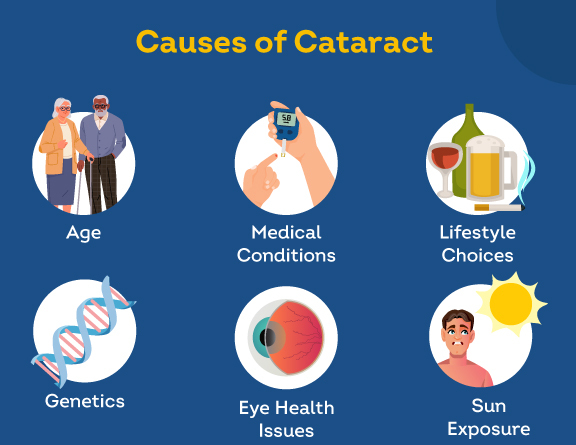
causes of cataract
causes of cataract

  • A Visual Acuity Test: This test checks how well you can see at different distances. You’ll be asked to read a series of letters off a chart. This helps determine any vision impairment.
  • Slit-Lamp Examination: Using a specialised microscope known as a slit lamp, your doctor will examine the structures within your eye. This examination can reveal any clouding of the lens, which is a key sign of nuclear cataracts.
  • Dilated Eye Exam: In this exam, eye drops are used to widen your pupils, providing your doctor with a better view of the lens and the rest of your eye. This broad view can highlight the severity of the cataract.
  • Tonometry: This procedure measures the pressure inside your eye. High eye pressure can indicate additional conditions alongside the cataract.

What is the Procedure for Nuclear Cataract Surgery?

The procedure for nuclear cataract surgery is well-established and can significantly improve vision and quality of life for those affected by this condition. The process entails:

  • Preoperative Evaluation: Your ophthalmologist will assess your eye health and the severity of your cataract using various tests. These tests measure your visual acuity and examine the size and density of your cataract.
  • Surgery: Phacoemulsification is the most common surgery technique used whereby ultrasound energy is used to break up the cloudy lens into small fragments, which are then suctioned out. An artificial IOL is then inserted through a small incision. The operation is minimally invasive and typically takes less than 20 minutes.
  • Recovery: After surgery, most patients experience a marked improvement in their vision. Recovery is usually straightforward, and many patients return to their normal activities within a few days to weeks.
  • Postoperative Care: Post-surgery, you may need to use prescription eye drops and adhere to specific instructions to facilitate healing and prevent complications.

Pristyn Care’s Free Post-Operative Care

Diet & Lifestyle Consultation

Post-Surgery Recovery Follow up

Free Cab Facility

24*7 Patient Support

Who is the Right Candidate for Nuclear Cataract Surgery?

Deciding to proceed with nuclear cataract surgery is typically based on an individual’s symptoms, the level of visual impairment, and the impact of the cataract on their daily life.

The following factors often determine a person’s suitability for this surgery:

  • Visual Symptoms: If your vision is significantly impacted by the cataract and this can’t be corrected using glasses or contact lenses, your doctor may recommend surgery.
  • Impact on Daily Life: If the cataract is affecting your ability to carry out daily tasks such as reading, driving, or working, then surgery may be considered. The primary goal is to improve your quality of life and independence.

What are the Benefits of Nuclear Cataract Surgery?

Nuclear cataract surgery is a reliable procedure that aims to restore normal vision in individuals suffering from nuclear cataracts. Here are the key benefits of opting for this surgical treatment:

  • Improved Vision: Nuclear cataract surgery can reinstate clear vision in approximately 95% of patients, greatly improving their day-to-day activities and overall quality of life.
  • Quick Procedure: This is usually a swift procedure, often completed in 20 minutes or less. Furthermore, it can be carried out on an out-patient basis, which means hospitalisation for the night is generally not necessary.
  • Minimal Complications: Owing to advancements in surgical techniques and technology, the risk of complications has significantly reduced, making nuclear cataract surgery a safe option for most patients.
  • Restoration of Colour Perception: Post-surgery, many patients have reported an improvement in colour perception and contrast sensitivity, as the artificial lens allows for better light transmission compared to the cloudy natural lens.
  • Enhanced Quality of Life: By rectifying visual impairments caused by cataracts, patients find themselves able to return to activities they had difficulty with previously, such as reading, driving, or enjoying outdoor pursuits.

How to Prepare for Nuclear Cataract Surgery?

Preparing for nuclear cataract surgery involves several crucial steps to ensure the best possible outcome. Here’s how you can get ready for your procedure:

  • Preoperative Assessment: A thorough eye examination is carried out prior to surgery. This includes tests for visual acuity and lens evaluation to determine the severity of the cataract and the appropriate surgical approach.
  • Medication Review: It’s vital to discuss any medications you are currently on with your surgeon, especially blood thinners or any other drugs that may affect healing.
  • Arrange Transportation: You’ll likely be under sedation during the surgery, so it’s advisable to arrange for someone to drive you home afterwards as it might take sometime for the sedation to wear off completely.

Follow Pre-Surgery Instructions: Patients are usually advised to avoid certain medications, refrain from eating or drinking for a specific period before the surgery, and use prescribed eye drops to prepare their eyes for the procedure.

What are the Recovery Tips and Precautions to Follow After Nuclear Cataract Surgery?

Recovery after nuclear cataract surgery is generally a smooth process, but following your doctor’s post-operative instructions is key for optimal healing and vision improvement. Here are some tips for a successful recovery:

  • Follow-Up Appointments: Attend all scheduled follow-up visits to monitor healing and address any concerns with your doctor.
  • Use Eye Drops as Prescribed: You’ll likely need to use antibiotic and anti-inflammatory eye drops to prevent infection and reduce inflammation. It’s crucial to follow the usage schedule provided by your doctor.
  • Avoid Strenuous Activities: For a few weeks post-surgery, avoid heavy lifting, bending over, or strenuous exercise to allow for proper healing.
  • Protect your Eyes: Wear sunglasses outdoors and, if recommended, indoors to protect your eyes from bright light and UV rays, and refrain from rubbing or pressing on your eyes.
  • Gradual Return to Activities: While most patients can resume normal activities within a few days, it’s vital to follow the advice of your surgeon regarding specific timelines for activities like driving or returning to work.

Potential Risks or Complications Associated with Nuclear Cataract Surgery

Although nuclear cataract surgery is generally safe and effective, like any surgical procedure it carries some potential risks. Here are some complications that may occur:

  • Infection: There is a small risk of postoperative infection, which would require prompt treatment.
  • Inflammation: Some patients may experience inflammation within the eye, generally manageable with medication.
  • Posterior Capsule Opacification: This common complication occurs when the membrane behind the IOL becomes cloudy, potentially requiring a simple outpatient procedure (YAG laser capsulotomy) to restore vision.
  • Vision Changes: Some patients may experience fluctuations in vision or glare and halos around lights, particularly in low-light conditions, although these symptoms often improve over time.
  • Retinal Detachment: Although very rare, there is a slight risk of retinal detachment following cataract surgery, especially in patients with pre-existing risk factors.
  • Cystoid Macular Oedema (CME): In CME fluid accumulates in the macula (the central part of the retina), causing it to swell and resulting in blurred or distorted vision. Nuclear sclerosis cataract surgery and CME are closely related, as CME can affect vision clarity following the surgery, but with appropriate treatment, it can often be managed effectively to restore visual function.

Remember, nuclear cataract surgery is a highly effective procedure that can greatly improve your vision and quality of life. Proper preparation and adherence to post-operative care can help minimise risks and enhance recovery.

What is the Cost of Nuclear Cataract Surgery in India?

Nuclear cataract surgery is a common eye procedure undergone by many in India. But how much does it cost? The price of nuclear cataract surgery treatment fluctuates depending on the following factors:

  • Medical Facility: The cost may change from one hospital or clinic to another. Each healthcare setting has its own pricing structure, which leads to variations in the overall cost.
  • Location: The cost also depends on the city where the treatment is provided. It’s usually more expensive in metropolitan cities and costs less in smaller towns due to differences in operational expenses.
  • Surgical Technique: Different surgical methods are used for nuclear cataract surgery, each carrying a different price tag. For instance, the cost for nuclear sclerosis cataract surgery may differ from that of other types of cataract surgeries.
  • Lens Used: The type of IOL implanted during the surgery can also affect the cost. Premium IOLs may increase the cost compared to standard IOLs.

The average cost for nuclear cataract surgery can range from affordable to more expensive, depending on these factors. It’s always advisable to consult with a doctor or healthcare facility for exact costs.

Is Nuclear Cataract Surgery Covered Under Insurance?

The good news is that many health insurance policies in India do cover the cost of nuclear cataract surgery. However, the extent of coverage varies from policy to policy.

For instance, some insurance plans offer coverage up to certain limits based on the sum insured. Other plans may cover the cost only after a waiting period, generally around 2 years.

But keep in mind, not all insurance providers offer coverage for this type of surgery. Some policies may put a cap on the amount that can be claimed for nuclear cataract surgery. If your surgical expenses exceed the limit, you will need to bear the additional costs yourself.

Certain pre-existing conditions or medical circumstances may not be covered, or might require longer waiting periods before coverage is applicable. It’s essential to review the terms and conditions of your health insurance plan thoroughly to understand what is covered and what is not.

Lastly, insurance providers may use terms like “nuclear drop in cataract surgery” to describe specific surgical instances. Always read the fine print and understand all terms and conditions before purchasing a health insurance policy.

FAQs

What is the difference between nuclear cataract surgery and standard cataract surgery?

Nuclear cataract surgery and standard cataract surgery are quite similar in terms of their end goals, which are to remove the clouded lens (cataract) from the patient’s eye and replace it with a clear artificial lens. However, nuclear cataract surgery specifically targets nuclear cataracts, a type of cataract that forms deep in the central zone (nucleus) of the lens.

What does nuclear drop mean in relation to cataract surgery?

In the context of nuclear cataract surgery, nuclear drop refers to an unwanted situation where the cataract or parts of it fall into the vitreous humour, the clear jelly-like substance filling the back part of the eye, during operation. This complication may require additional procedures for complete removal.

How does nuclear sclerosis influence my need for cataract surgery?

Nuclear sclerosis is a type of cataract that causes the gradual hardening and yellowing of the lens in your eye. As this condition progresses, it can lead to blurred vision, difficulty seeing at night, and other vision problems that may necessitate nuclear sclerosis cataract surgery.

Is nuclear cataract surgery a lengthy procedure?

Not typically. Like all types of cataract surgery, nuclear cataract surgery is usually completed in less than an hour in most cases. The exact duration can vary based on individual circumstances.

Should I be worried about pain during or after nuclear cataract surgery?

Most patients report little to no discomfort during nuclear cataract surgery as it is usually performed under local anaesthesia. Mild discomfort post-surgery is normal but is generally well-managed with over-the-counter painkillers.

How quickly can I expect my vision to improve after nuclear cataract surgery?

Your vision may start to improve within a few days of the surgery, but everyone’s experience is different. It may take several weeks for your eyes to settle and for you to experience the full benefits of the surgery.

How effective is nuclear cataract surgery treatment in improving my vision?

Nuclear cataract surgery is highly effective in restoring clear vision. Most people notice significant improvement in their sight after recovery.

What are my lens options in nuclear cataract surgery?

During nuclear cataract surgery, your clouded lens will be replaced with an artificial IOL. There are several types of IOLs available, including monofocal, multifocal, and accommodative lenses. Your doctor will discuss these options with you and help decide the best type for your needs.

Can nuclear cataract surgery correct other vision problems?

In some cases, yes. Certain types of IOLs used in nuclear cataract surgery can correct other vision issues such as nearsightedness, farsightedness, and astigmatism.

Can I go home the same day after undergoing nuclear cataract surgery?

Yes. Nuclear cataract surgery is usually performed on an outpatient basis, meaning patients can go home the same day once they have recovered from anaesthesia.

View more questions downArrow
green tick with shield icon
Medically Reviewed By
doctor image
Dr. Barkha Gupta
MBBS, MD-Ophthalmology
10+ Years Experience Overall
Last Updated : September 04, 2026

What Our Patients Say

  • user name RP

    Rana Pratap

    verified
    2 Aug, 2026
    5/5

    thumbs up Recommends

    5/5

    thumbs up Recommends

    During test and it was diagnosed that no cataract issue with me. No extra test recomend by the doctor. I m satisfied with this eye hospital.

    City : Delhi
  • user name EB

    Esa bin ali

    verified
    19 Jul, 2026
    5/5

    thumbs up Recommends

    5/5

    thumbs up Recommends

    i have giving 5 star to the dr

    City : Hyderabad
    Treated by : Dr. Ashish Rander
  • user name G

    Ganesh

    verified
    18 Jul, 2026
    5/5

    thumbs up Recommends

    5/5

    thumbs up Recommends

    nice procedure followed.and he is great opthamolgist

    City : Bangalore
  • user name DS

    Dennis Samuel Singh

    verified
    17 Jul, 2026
    5/5

    thumbs up Recommends

    5/5

    thumbs up Recommends

    Very politely explained the procedure. Has a good hand during surgery .

    City : Pune
  • user name KB

    Keshav Basor

    verified
    12 Jul, 2026
    5/5

    thumbs up Recommends

    5/5

    thumbs up Recommends

    Clinic is very neat and clean and staff also behavior like family

    City : Delhi
  • user name RK

    Roop khanna

    verified
    23 Jun, 2026
    5/5

    thumbs up Recommends

    5/5

    thumbs up Recommends

    From start to finish everything was taken care for me. I would highly recommend pristyn care to people who need quality service

    City : Delhi

Cataract Treatment in Top Cities

expand icon

Cataract Surgery Cost in Top Cities

expand icon
💯 No Booking Fees
Book FREE Doctor Appointment
Close popup icon
cost calculator
Anup Soni - the voice of Pristyn Care pointing to download pristyncare mobile app
Name
i
i
Phone
+91
i
City
i
Call Us
Call icon
We are Rated
3 M+ Happy Patients
200+ Hospitals
30+ Cities

To confirm your details, please enter OTP sent to you on *

i
×
Redirecting to Payment Link, please do not close the browser...

Avail FREE Doctor Consultation

cross icon in white color
Simplifying Surgery Experience

Consult with our expert surgeon for more than 50+ diseases

Next Steps
call icon

Once you share your details, our care coordinator will get in touch with you.

customer care icon

The coordinator will understand your symptoms and health condition in detail.

doctor icon

Your consultation will be scheduled at the earliest.

3M +

Happy Patients

150 +

Clinics

30 +

Cities

or

3M +

Happy Patients

150 +

Clinics

30 +

Cities

120Cr—Patient Savings Delivered

120Cr—Patient Savings Delivered

so patients focus on recovery, not bills.

Complete Transparency

Complete Transparency

No hidden charges or surprise bills

End-to-End Insurance Handling

End-to-End Insurance Handling

Complete insurance processing support

Up to 20% Savings on Every Surgery

Up to 20% Savings on Every Surgery

powered by smarter insurance handling

Easy EMI Options

Easy EMI Options

Flexible payment plans available

120Cr—Patient Savings Delivered

120Cr—Patient Savings Delivered

so patients focus on recovery, not bills.

Complete Transparency

Complete Transparency

No hidden charges or surprise bills

Your Form Has Been Submitted Successfully.

Our care coordinator will call you shortly.

Appointment With

cross icon in white color
Consultation With Expert Doctors
Pristyncare's doctor portrait image
location icon
Patient Detail
i
i
i
i
Proctology
","
Pilonidal Sinus
","
Piles
","
Rectal Prolapse
","
Fissure
","
Fistula
","
Fecal Incontinence
","
Constipation
","
Hemorrhoids
","
Laparoscopy
","
Umbilical Hernia
","
Hydrocele
","
Inguinal Hernia
","
Incisional Hernia
","
Appendicitis
","
Gallstone
","
Hernia
","
Achalasia Cardia
","
Acid Reflux Surgery
","
Large Intestine
","
Indirect Hernia
","
Small Intestine
","
Colonoscopy
","
Gastric Bypass Surgery
","
Gynaecology
","
Pain During Intercourse
","
Vaginoplasty
","
Labiaplasty
","
Vaginal Discharge
","
Laser Vaginal Tightening
","
Vaginal Dryness
","
Ovarian Cyst
","
Hysterectomy
","
Hymenoplasty
","
Clitoral Hoodoplasty
","
Abortion
","
Hysteroscopy
","
Pap Smear
","
Vaginal Rejuvenation
","
Ectopic Pregnancy
","
Laser Vaginal Rejuvenation
","
Vaginal Recurrent Infection
","
Pelvic Pain
","
Female Urinary Problems
","
Lichen Sclerosus
","
Menstrual Disorders
","
Preconception Care
","
Uterine Fibroid
","
Pcos Pcod
","
Pregnancy Care
","
Medical Termination Of Pregnancy
","
Laser Vaginal Bleaching
","
Anal Bleaching
","
Vaginal Wart
","
Molar Pregnancy
","
Bartholin Cyst
","
Miscarriage
","
Endometriosis
","
Adenomyosis
","
Myomectomy
","
Dilation And Evacuation (D&E)
","
Polypectomy
","
ENT
","
Turbinate Reduction
","
Uvulopalatopharyngoplasty
","
Adenoidectomy
","
Myringotomy
","
Microlaryngeal
","
Mastoidectomy
","
Tongue Base Reduction
","
Tonsils Removal
","
Deviated Nasal Septum
","
Eardrum Surgery
","
Sinus Surgery
","
Thyroidectomy
","
Tonsillectomy
","
Ear Surgery
","
Sinusitis
","
Tympanoplasty
","
Fess Surgery
","
Stapedectomy
","
Septoplasty
","
Tonsillitis
","
Adenoids
","
Hearing Problem
","
Thyroid Infection
","
Chronic Sinusitis
","
Recurrent Sinusitis
","
Subacute Sinusitis
","
Mastoiditis
","
Parotidectomy
","
Nose Surgery
","
Vocal Cord Polyps
","
Adenotonsillectomy
","
Otitis Media
","
Nasal Polyps
","
Turbinoplasty
","
Ear Infection
","
Ear Hole
","
Throat Infection
","
Middle Ear Perforation
","
Urology
","
Urinary Tract Infection
","
Urinary Incontinence
","
Erectile Dysfunction
","
Urethral Stricture
","
Stress Urinary Incontinence
","
Circumcision
","
Kidney Stones
","
Male Urinary Tract Infection
","
Prostate Enlargement
","
Phimosis
","
Paraphimosis
","
Foreskin Infection
","
Balanoposthitis
","
Balanitis
","
Frenuloplasty
","
Cystoscopy
","
Cystolithotripsy
","
DJ Stent
","
cystolithotomy
","
Urethral Stricture
","
pyeloplasty
","
nephrostomy
","
Corn Removal
","
Vasectomy
","
Toenail treatment
","
Testicular Torsion
","
Epididymal Cyst
","
Vascular
","
Varicose Veins
","
Varicocele
","
Diabetic Foot Ulcer
","
AV Fistula For Dialysis
","
Deep Vein Thrombosis
","
Spider Veins
","
Aesthetics
","
Gynecomastia
","
Liposuction
","
Lipoma
","
Sebaceous Cyst
","
Breast Lift
","
Rhinoplasty
","
Breast Reduction
","
Breast Augmentation
","
Breast Lump
","
Hair Loss
","
Breast Surgery
","
Axillary Breast
","
Abdominoplasty
","
Double Chin
","
Buccal Fat
","
Earlobe Repair
","
Blepharoplasty
","
Hair Fall PRP
","
Orthopedics
","
Carpal Tunnel Syndrome
","
Knee Replacement
","
Spine Surgery
","
Hip Replacement
","
Arthroscopy
","
ACL Tear
","
Rotator Cuff Repair
","
Bankart Surgery
","
Bankart Repair
","
Meniscus Repair Surgery
","
Shoulder Replacement Surgery
","
Discectomy
","
Laminectomy
","
Acdf Surgery
","
Spinal Fusion
","
Ligament Injury
","
Knee Arthroscopy
","
Shoulder Arthroscopy
","
Femur Fracture
","
Ophthalmology
","
Lasik
","
Cataract
","
Squint Surgery
","
Glaucoma Surgery
","
Retinal Detachment Surgery
","
Diabetic Retinopathy Treatment
","
Intravitreal Injections
","
Vitrectomy
","
Monofocal Lens
","
Multifocal Lens
","
Toric Lens
","
PRK Lasik
","
Smile Lasik Surgery
","
Femto Lasik Surgery
","
ICL Surgery
","
Macular Edema
","
Retinal Surgery
","
Contoura Vision
","
Phaco Surgery
","
Pterygium
","
Dentistry
","
Teeth Alignment (Fix)
","
Dental Others
","
Crossbite Teeth
","
Overbite Teeth
","
Openbite Teeth
","
Weight Loss
","
Bariatric Surgery
","
SPATZ Intragastric Balloon
","
Intragastric Balloon
","
Weight Loss Surgery
","
Weight Loss
","
Dermatology
","
Scar Removal
","
Beard Transplant
","
Face Threadlift
","
Botox
","
Derma Fillers
","
Vampire Facial with Dermaroller
","
Hair Transplant
","
Hair Reduction
","
Fat Loss
","
Allergan for Double Chin
","
Allergan for Arms
","
Allergan for Underarm Fat
","
Allergan for Tummy
","
Allergan for Inner Thigh
","
Allergan for Outer Thigh
","
Anti Aging
","
Uneven Skin Tone
","
Acne & Scar
","
Pigmentation
","
Tattoo removal
","
Hair Treatment
","
Vitiligo for Face
","
Roascea (Gold Toning laser)
","
Dark Circle & Puffy Eyes
","
Foundation full Face
","
Acne Scar
","
Fertility
","
Male Infertility
","
Female Infertility
","
Ivf
","
Iui
","
Embryo Transfer
","
ICSI Treatment
","
Neurology
","
Headache or migraine
","
Neurology-Others
","
Nephrology
","
Chronic kidney disease (CKD) follow-up
","
Pulmonology
","
Chest pain or tightness
","
Oncology
","
Oncology
","
General Physician
","
General Physician-Others
","
Diabetes
"]" data-all-dropdown-items-arr="[]">
i
Select Appointment Date
loading...
Select Appointment Time
₹
Total Payable
Reserve your slot and

Book Your FREE Consultation

cross icon in white color cross icon in red color
Simplifying Surgery Experience

Consult with our expert surgeon for more than 50+ diseases

Next Steps
call icon

Once you share your details, our care coordinator will get in touch with you.

customer care icon

The coordinator will understand your symptoms and health condition in detail.

doctor icon

Your consultation will be scheduled at the earliest.

3M +

Happy Patients

150 +

Clinics

30 +

Cities

Are you going through any of these symptoms?

  • Free pickup and drop
  • Advanced Surgical Technologies