


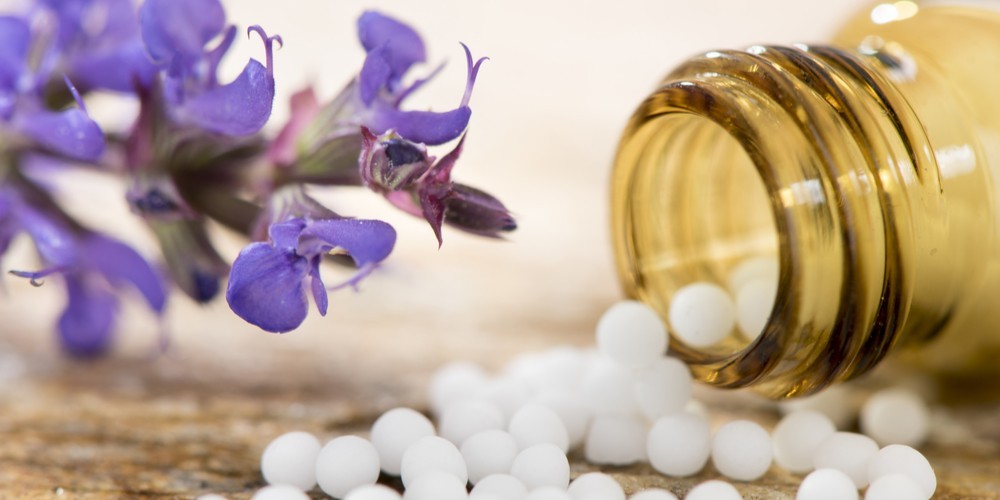
If you are looking for homeopathic medicines for piles (hemorrhoids), it is important to understand what these medicines can and cannot do. Homeopathy may be used by some people to manage symptoms such as pain, itching or discomfort, but there is limited scientific evidence that homeopathic medicines can cure hemorrhoids or reverse advanced piles.
Piles develop when the blood vessels and supporting tissues around the anus and lower rectum become swollen. Mild hemorrhoids may improve with dietary and lifestyle changes, while persistent bleeding, severe pain, or prolapsed hemorrhoids may require medical treatment. The appropriate treatment depends on the type and grade of piles.
Table of Contents
What Causes Piles?
Piles are commonly associated with increased pressure on the veins in and around the anus. Repeated straining during bowel movements can contribute to the development or worsening of hemorrhoids. Common risk factors include:
- Chronic constipation and straining while passing stool
- A low-fiber diet
- Long-lasting diarrhea
- Prolonged sitting, particularly on the toilet
- Pregnancy and increased abdominal pressure
- Heavy lifting
- Being overweight or obese
- Increasing age and weakening of the supporting tissues
- A family history of hemorrhoids
Homeopathic Medicines Commonly Used for Piles
Different homeopathic remedies are traditionally selected based on a person’s symptoms. However, these remedies should not be considered proven treatments for hemorrhoids, and self-medication may delay appropriate diagnosis and treatment. Some commonly mentioned homeopathic remedies include:
- Aloe Socotrina: Traditionally used in homeopathy for hemorrhoidal discomfort, particularly when there is irritation around the anus and loose stools.
- Nux Vomica: Traditionally associated with constipation, straining and digestive complaints that may occur along with hemorrhoids.
- Hamamelis: Commonly used in homeopathy for symptoms associated with bleeding and soreness around the anal region.
- Ratanhia: Traditionally used for intense burning or pain in the anal area, particularly during or after bowel movements.
- Aesculus: Traditionally used for hemorrhoidal discomfort accompanied by a feeling of pressure or fullness in the rectal area.
- Ignatia: Used traditionally in homeopathy for certain types of rectal discomfort and spasmodic sensations.
- Graphites: Traditionally considered for hemorrhoids associated with constipation and hard bowel movements.
- Sulphur: Traditionally used for itching, burning, soreness and other symptoms around the anus.
- Calcarea: Used traditionally for hemorrhoidal symptoms that may occur along with constipation, itching or discomfort.
- Muriatic Acid and Causticum: These remedies are traditionally mentioned for specific hemorrhoidal symptoms, but their use should be guided by a qualified practitioner.
Important: There is not enough high-quality scientific evidence to establish that these homeopathic medicines can cure piles or prevent their recurrence. If you have persistent symptoms, consult a qualified doctor rather than relying solely on homeopathic treatment.
What Symptoms Can Occur With Piles?
Depending on the type and severity of hemorrhoids, symptoms may include:
- Bright red blood during or after a bowel movement
- Itching or irritation around the anus
- Pain or discomfort, especially with external hemorrhoids
- A lump or swelling around the anus
- A feeling of incomplete bowel emptying
- A hemorrhoid protruding from the anus
Not every case of rectal bleeding is caused by piles. Bleeding that is persistent, heavy, recurrent, or accompanied by other symptoms should be evaluated by a doctor.
Types and Grades of Piles
Internal Piles
Internal hemorrhoids develop inside the rectum and are commonly classified into four grades according to whether they prolapse through the anus.
- Grade 1: Hemorrhoids remain inside the anal canal and may cause bleeding but do not protrude outside.
- Grade 2: Hemorrhoids may protrude during bowel movements but usually return inside on their own.
- Grade 3: Hemorrhoids protrude during bowel movements and may need to be pushed back manually.
- Grade 4: Hemorrhoids remain outside the anus and cannot be pushed back easily. They may cause significant discomfort and complications.
External Piles
External hemorrhoids develop beneath the skin around the anus. They may cause swelling, itching, pain or tenderness. A blood clot can sometimes develop inside an external hemorrhoid, causing a painful lump known as a thrombosed hemorrhoid.
Can Homeopathy Cure Piles Permanently?
There is currently insufficient scientific evidence to confirm that homeopathic medicines can permanently cure hemorrhoids. Some symptoms of mild piles may improve naturally when constipation and straining are addressed, but this does not necessarily mean that the underlying hemorrhoid has been eliminated.
If symptoms continue despite dietary and lifestyle changes, or if hemorrhoids repeatedly prolapse or bleed, a medical evaluation is recommended. Treatment may range from medicines and office-based procedures to surgery depending on the severity.
When Should You See a Doctor for Piles?
Do not continue self-treatment if piles symptoms are persistent or worsening. Consult a doctor if you experience:
- Repeated or unexplained rectal bleeding
- Severe or increasing anal pain
- A lump that becomes very painful or swollen
- Hemorrhoids that repeatedly protrude from the anus
- Symptoms that do not improve with dietary and lifestyle changes
- Heavy bleeding, dizziness or weakness
Treatment Options for Piles
Treatment for piles depends on the grade, symptoms and overall health. Mild hemorrhoids often improve with conservative measures such as increasing dietary fiber, drinking adequate fluids, avoiding straining and maintaining regular physical activity.
If these measures do not provide adequate relief, a doctor may recommend medicines or minimally invasive procedures. More advanced or recurrent hemorrhoids may require a surgical procedure.
Laser Treatment for Piles
Laser treatment is one of the minimally invasive options used for selected cases of hemorrhoids. During the procedure, laser energy is used to treat the affected hemorrhoidal tissue. Whether laser treatment is appropriate depends on the grade and characteristics of the hemorrhoids.
Unlike relying on unproven remedies for persistent symptoms, medical treatment allows the doctor to identify the cause of bleeding or pain and select an appropriate treatment plan. Recovery and outcomes vary from person to person.
Lifestyle Changes That May Help Manage Piles
Simple changes can help reduce constipation and prevent excessive pressure during bowel movements:
- Eat more fiber-rich foods such as fruits, vegetables, whole grains and legumes.
- Drink enough water throughout the day.
- Avoid straining while passing stool.
- Avoid sitting on the toilet for prolonged periods.
- Stay physically active and exercise regularly.
- Maintain a healthy body weight.
- Avoid delaying the urge to pass stool.
These measures can help control constipation and reduce hemorrhoid symptoms, but they may not eliminate advanced or prolapsed piles. If symptoms persist, consult a qualified proctologist for an appropriate diagnosis and treatment plan.
Also Read:
- Ayurvedic Medicine for Piles at Patanjali
- Also Read: Cure Piles in 3 Days
- Also Read: 4 Methods for Kidney Stone Removal
- Also Read: Laser Circumcision – Benefits & Recovery
 Doctor available













.jpg/1681796287744_ban-Icon.png)































.jpg/1679651251511_ban-Icon.png)












.jpg/1681109066874_ban-Icon.png)

.jpg/1685814002647_ban-Icon.png)





























%20(1).png/1742636902782_ban-Icon.png)