


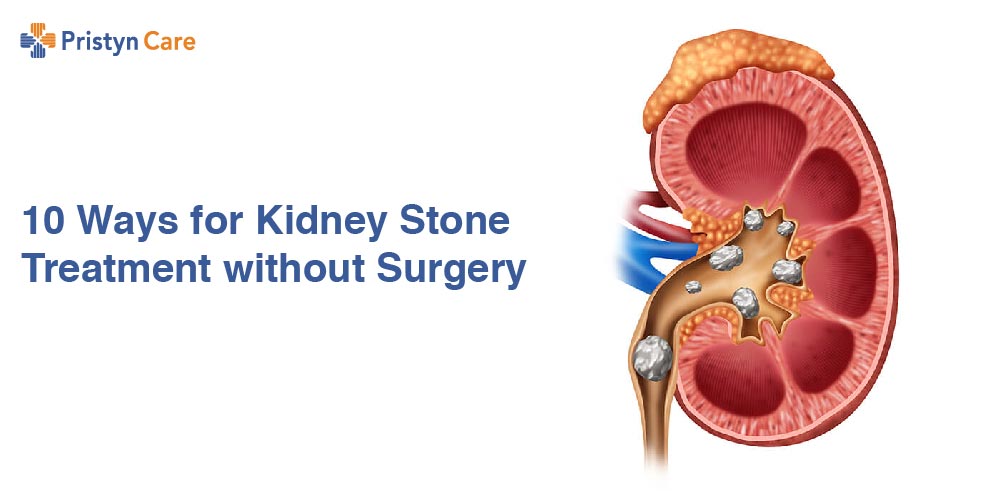
Kidney stones are hard deposits that form when minerals and salts in the urine crystallise. Depending on their size, location and composition, they may cause severe pain, blood in the urine, nausea or difficulty passing urine. Not drinking enough fluids can increase the risk of certain types of kidney stones.
Other risk factors include a family history of kidney stones, excess body weight, high sodium intake, certain dietary patterns and some medical conditions. Treatment depends on the stone’s size, type and location, as well as whether it is causing an obstruction or infection.
Leaving kidney stones untreated can sometimes lead to complications, particularly if a stone blocks urine flow or an infection develops. Although some small stones pass naturally, home remedies cannot reliably dissolve or remove every kidney stone.
If you want to avoid surgery, consult a urologist about suitable non-surgical options. Many small stones can be managed with observation, adequate fluid intake and appropriate pain relief. Some stones require medication or a procedure, such as shock wave lithotripsy or ureteroscopy.
Table of Contents
Methods for Kidney Stone Management Without Surgery
Several home remedies and dietary measures are commonly discussed for kidney stones. However, there is limited evidence that most of these remedies can remove existing stones. The following options should not replace medical evaluation or prescribed treatment.
1. Apple Cider Vinegar

Apple cider vinegar is sometimes promoted as a home remedy for kidney stones. However, there is insufficient clinical evidence that drinking it dissolves existing stones or reliably prevents new ones.
Do not drink undiluted apple cider vinegar or use it as a substitute for treatment. Its acidity may irritate the digestive system and damage tooth enamel. Ask your doctor before using it regularly, particularly if you have a medical condition or take medication.
Read more about apple cider vinegar and kidney stones.
2. Baking Soda

Baking soda contains sodium bicarbonate, which can make urine less acidic. In selected cases, clinicians use prescribed urinary alkalinising medicines to help prevent or dissolve certain types of stones, particularly uric acid stones.
However, baking soda should not be taken as a do-it-yourself treatment. It contains substantial sodium and may cause complications, especially in people with high blood pressure, kidney disease or heart problems. The appropriate medicine and dose depend on the stone type and urine tests.
3. Lemon Juice and Olive Oil

Lemon juice contains citrate, which may help reduce the formation of some calcium-containing kidney stones. Including lemon juice in water can be one way to increase dietary citrate intake, although the effect varies between individuals.
There is no reliable evidence that combining lemon juice with olive oil dissolves kidney stones or makes them pass through the urinary tract. Olive oil does not lubricate the urinary tract. Do not rely on this mixture to treat a stone or delay medical care.
4. Hydrangea

Hydrangea has traditionally been used in herbal preparations for urinary problems. However, there is insufficient reliable clinical evidence that hydrangea tea increases stone passage or treats kidney stones.
Herbal products can have side effects and may interact with medicines. Hydrangea preparations should not be used to treat kidney stones without advice from a qualified healthcare professional.
5. Coconut Water

Coconut water can contribute to daily fluid intake. Drinking enough fluids helps dilute urine and may reduce the risk of certain kidney stones, but coconut water has not been proven to dissolve existing stones.
Water is generally the preferred drink for maintaining hydration. People with kidney disease or conditions requiring potassium or fluid restrictions should consult their healthcare professional before increasing coconut water intake.
6. Barley Water

Barley water can contribute to fluid intake, which is important for kidney stone prevention. However, there is no strong clinical evidence that it increases bladder pressure, flushes out stones or dissolves existing kidney stones.
You can drink barley water as part of a balanced diet if it suits your health needs. It should not replace prescribed treatment or the follow-up recommended by your doctor.
Learn more about barley water and kidney stones.
7. Basil

Basil is commonly used in cooking and herbal drinks. However, there is insufficient clinical evidence that basil tea dissolves kidney stones or reliably helps them pass.
Basil can be included in a balanced diet, but concentrated herbal preparations should be discussed with a healthcare professional, especially if you take medication or have kidney disease.
8. Watermelon Seeds

Watermelon seeds can be eaten as part of a balanced diet, but there is no reliable clinical evidence that watermelon seed tea flushes out kidney stones or detoxifies the kidneys.
Staying adequately hydrated is more important for supporting urine flow. If you have a diagnosed kidney stone, ask your doctor how much fluid you should drink and whether additional treatment is necessary.
9. Dandelion Root

Dandelion root is used in some traditional herbal preparations, but there is insufficient evidence that it dissolves kidney stones or reliably relieves stone-related pain.
Dandelion products may interact with medicines and may not be suitable for everyone, particularly people with kidney or other chronic health conditions. Consult a healthcare professional before using them medicinally.
10. Horsetail

Horsetail is an herbal product traditionally used for urinary complaints. However, reliable clinical evidence does not establish that it removes kidney stones. Its diuretic effects and potential side effects may also make it unsuitable for some people.
Avoid using horsetail to treat kidney stones without medical advice, especially if you have kidney disease, take diuretics or use other prescription medicines.
What Are the Proven Non-Surgical Treatment Options for Kidney Stones?
The appropriate treatment depends on the stone’s size, location, composition and the presence of pain, obstruction or infection. Options may include:
- Observation and hydration: Some small stones pass naturally. Your doctor may recommend monitoring, suitable fluid intake and follow-up imaging.
- Medication: Pain relief may be prescribed, and selected patients may benefit from medicines that help certain ureteral stones pass. Specific medicines can also be used to prevent or dissolve particular stone types.
- Shock wave lithotripsy (SWL): Shock waves break suitable stones into smaller fragments that can pass in the urine. This is a non-invasive procedure, but it is not suitable for every stone.
- Dietary changes: Depending on the stone type, a clinician may recommend reducing sodium, maintaining normal dietary calcium and adjusting intake of specific foods. A 24-hour urine test may help guide prevention in recurrent cases.
Ureteroscopy or another procedure may be needed when a stone is unlikely to pass, causes persistent obstruction or pain, or is associated with complications. An infected, obstructed kidney requires urgent medical assessment.

The Bottom Line
Drinking enough water and making appropriate dietary changes can help prevent some kidney stones, but home remedies such as apple cider vinegar, baking soda, olive oil mixtures and herbal teas have not been proven to remove existing stones reliably.
If you have symptoms of kidney stones, consult a urologist to identify the stone’s size and location and discuss suitable treatment. Seek urgent medical care if you have fever or chills with flank pain, difficulty passing urine, uncontrolled pain, persistent vomiting or other signs of serious illness.
For information about kidney stone treatment, consult a qualified healthcare professional to understand the available options and choose a plan based on your condition.
Also Read:
 Doctor available