


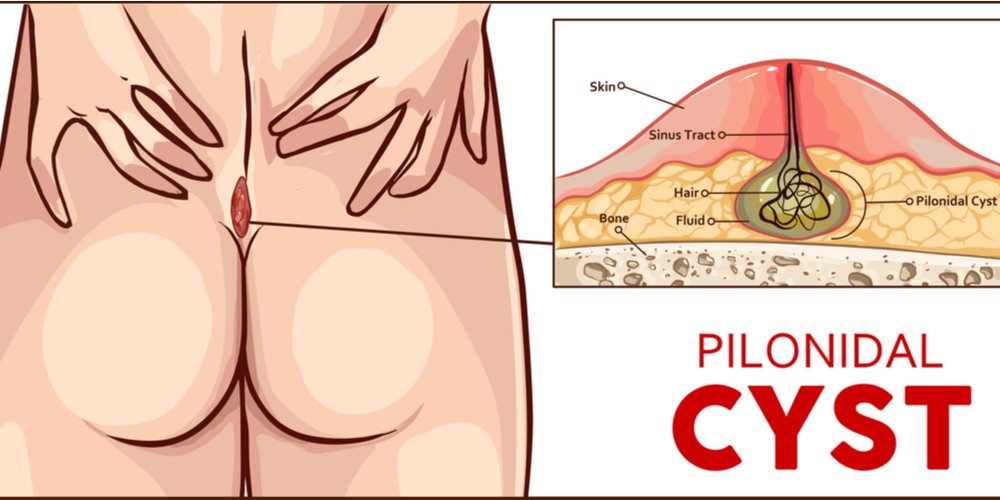
A pilonidal cyst is a small sac that can develop in the skin near the tailbone, usually in the cleft between the buttocks. It may not cause any symptoms at first, but an infected cyst can become painful, swollen and filled with pus.
If you have a mild pilonidal cyst without signs of infection, simple home-care measures may help keep the area clean, reduce irritation and provide temporary relief. However, home remedies cannot reliably remove an established pilonidal cyst or treat a pilonidal abscess.
Let us understand what a pilonidal cyst is and which home-care measures can safely help manage the symptoms.
Table of Contents
What is a Pilonidal Cyst?
A pilonidal cyst is a pocket that develops in the skin near the tailbone, most commonly at the top of the buttock cleft. It may contain hair, skin debris and fluid. Hair becoming trapped or growing into the skin is thought to contribute to the development of pilonidal disease.
Some pilonidal cysts remain small and cause little or no discomfort. Others can become infected and develop into an abscess containing pus. An infected cyst may cause pain, redness, swelling, warmth or drainage from the affected area.
Also Read: How Does a Pilonidal Sinus Start?
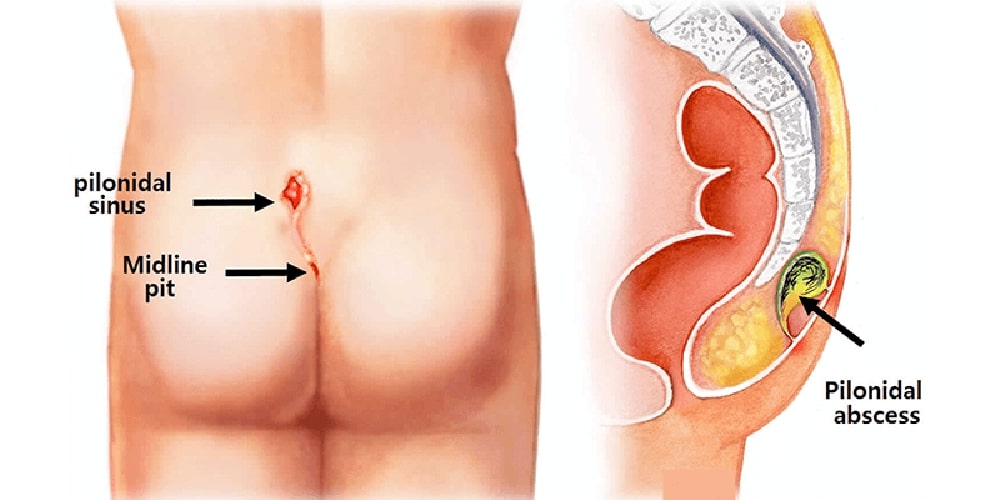
Can a Pilonidal Cyst Be Treated at Home?
Home care can help with hygiene, irritation and mild discomfort, particularly when the cyst is not infected. However, it is important to understand that these measures do not make the cyst disappear permanently.
If the cyst becomes infected or forms an abscess, medical treatment may be required. A painful abscess may need to be drained by a doctor, while recurrent or persistent pilonidal disease may require a procedure or surgery.
Safe Home Care for Pilonidal Cyst
Instead of applying unproven substances directly to the cyst, focus on measures that keep the area clean, dry and free from excessive pressure or friction.
1. Keep the Area Clean and Dry
Wash the area gently with mild soap and water and dry it thoroughly afterward. Keeping the buttock cleft clean and dry can help reduce the buildup of sweat, bacteria and debris.
Avoid vigorous scrubbing because it can irritate the skin and make the area more uncomfortable.
2. Take a Warm Bath
A warm bath or warm compress may provide temporary relief from pain and tenderness around the cyst. Make sure the water is comfortably warm rather than very hot.
You can sit in warm water for around 10 to 15 minutes and gently dry the area afterward. Stop if the warmth increases irritation or discomfort.
3. Avoid Prolonged Sitting
Long periods of sitting can put pressure and friction on the area around the tailbone. If your work requires you to sit for several hours, take regular breaks and stand or walk around for a few minutes.
A comfortable seating arrangement can also help reduce pressure on the affected area.
4. Wear Loose and Breathable Clothing
Tight clothing can increase sweating and friction around the buttock cleft. Choose clean, loose-fitting and breathable clothes, particularly if you spend a lot of time sitting or exercising.
5. Manage Hair Around the Area Carefully
Hair can contribute to pilonidal disease. Keeping excessive hair under control may help reduce the chance of hair becoming trapped in the skin. However, avoid aggressive shaving or using irritating hair-removal products on an already inflamed or infected area.
If pilonidal cysts keep coming back, ask a doctor about the safest method of hair management for your skin.
6. Avoid Squeezing or Popping the Cyst
Do not try to squeeze, puncture or pop a pilonidal cyst at home. Doing so can damage the surrounding skin, spread infection and make the condition worse.
If there is a painful lump containing pus, a doctor can determine whether it needs to be drained safely.
7. Keep the Area Free From Irritating Products
Avoid applying substances such as undiluted vinegar, garlic, baking soda, bloodroot powder or essential oils directly to a pilonidal cyst. These products can irritate the skin or cause a chemical burn, particularly when the skin is already inflamed or broken.
It is better to use gentle skin care and follow your doctor’s advice if the cyst becomes painful or infected.
8. Maintain a Healthy Weight and Stay Active
Maintaining a healthy weight and staying physically active can be helpful for overall health. If you already have a painful or infected pilonidal cyst, however, avoid exercises that cause pressure or friction in the affected area until you feel better or your doctor advises you to resume them.
9. Change Out of Sweaty Clothes
Sweat and moisture can increase skin irritation. After exercising or sweating heavily, change into clean and dry clothing and gently clean and dry the area.
10. Follow Medical Advice if the Cyst Keeps Returning
If you repeatedly develop a lump, swelling, drainage or pain near the tailbone, do not rely only on home remedies. Recurrent pilonidal disease may need medical evaluation and treatment to prevent repeated infections.
When Should You See a Doctor for a Pilonidal Cyst?
You should consult a doctor if you notice symptoms suggesting infection or if the cyst is not improving. Seek medical attention if you have:
- Increasing pain or tenderness near the tailbone
- Redness, warmth or swelling around the cyst
- Pus or foul-smelling drainage
- A rapidly growing or painful lump
- Fever or chills
- Repeated episodes of a pilonidal cyst
An infected pilonidal cyst or abscess may not get better with home care alone. A doctor may recommend drainage or other treatment depending on the severity and whether the condition keeps recurring.
Can Home Remedies Cure a Pilonidal Cyst Permanently?
Home care can help keep the area clean and may provide temporary relief from irritation or discomfort, but it cannot guarantee permanent removal of a pilonidal cyst. If a cyst repeatedly becomes infected or develops into a pilonidal sinus, medical treatment may be needed.
The right treatment depends on whether the cyst is simply present, infected, forming an abscess or recurring frequently. Your doctor can recommend the most appropriate option after examining the area.
The Last Note
A pilonidal cyst may sometimes be manageable with simple hygiene and lifestyle measures, but an infected or recurrent cyst should not be ignored. Avoid squeezing the lump or applying harsh home remedies to the affected skin.
If you have persistent pain, swelling, pus drainage or repeated pilonidal cysts, consult a specialist for proper evaluation and treatment. Timely treatment can help prevent the infection from becoming more severe and reduce the chances of recurrent problems.
 Doctor available