


Table of Contents
Home Remedies for Pain While Passing Stool Without Blood
Pain while passing stool can be uncomfortable and may make you anxious about using the toilet. When there is no significant bleeding, the pain is often related to constipation, hard stools, straining, or irritation around the anus. However, conditions such as an anal fissure, piles, infection, or an abscess can also cause painful bowel movements.
If the pain is mild and appears to be related to constipation or hard stools, simple measures such as increasing fiber and fluids, taking a warm sitz bath, avoiding straining, and staying physically active may help. However, home remedies do not treat every cause of anal pain. Persistent, severe, or recurrent pain should be evaluated by a doctor.
13 Home Remedies for Pain While Passing Stool Without Blood
Here are some measures that may help relieve mild pain and make bowel movements easier:
1. Take a Warm Sitz Bath

A warm sitz bath can relax the muscles around the anus and provide temporary relief from irritation and discomfort. Sit in comfortably warm water for about 10–20 minutes. You can repeat this a few times a day, particularly after a bowel movement.
Plain warm water is generally sufficient. Adding Epsom salt is not necessary and may irritate sensitive skin in some people.
2. Keep the Anal Area Clean and Dry
Gently clean the anal area after passing stool and avoid vigorous rubbing. Excessive cleaning, scented soaps, or other irritating products can make the skin around the anus more sensitive.
After washing, gently pat the area dry instead of rubbing it. Keeping the area clean and dry can help reduce irritation.
3. Avoid Straining During Bowel Movements
Straining can increase pressure around the anus and may worsen pain, particularly when stools are hard. Try to relax while using the toilet and avoid sitting on the toilet for long periods.
If you cannot pass stool easily, do not repeatedly force it. Improving stool consistency through adequate fiber and fluids can make bowel movements easier.
4. Use a Cold Pack for Temporary Relief

A cold pack may temporarily reduce discomfort or swelling around the anus. Wrap the cold pack in a clean cloth before applying it to the affected area.
Do not place ice directly on the skin. Use it for short periods and stop if the skin becomes painful, excessively numb, or irritated.
5. Increase Your Fiber Intake

Increasing dietary fiber can help make stools softer and easier to pass. Good sources include fruits, vegetables, whole grains, beans, lentils, and other fiber-rich foods.
Increase fiber gradually rather than suddenly, as a rapid increase can cause bloating or gas.
6. Drink Enough Water
Adequate fluid intake helps support softer stools, particularly when you are increasing your fiber intake. Drink water regularly throughout the day and pay attention to your body’s thirst signals.
If you have been advised to restrict fluids because of a medical condition, follow your doctor’s recommendations instead.
7. Do Not Ignore the Urge to Pass Stool
Repeatedly delaying a bowel movement can contribute to harder stools and constipation. Try to use the toilet when you feel the urge rather than postponing it for long periods.
8. Try a Footstool While Sitting on the Toilet
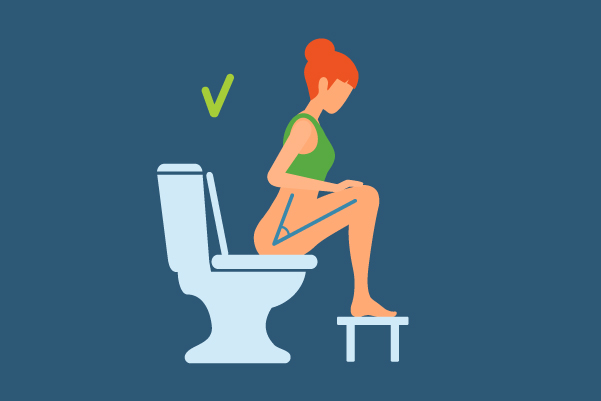
Placing your feet on a small footstool while sitting on the toilet can put your body in a more comfortable position for bowel movements. Keep your feet supported, lean slightly forward, and avoid excessive straining.
A footstool may be particularly useful for people who frequently experience constipation or difficulty passing stool.
9. Exercise Regularly
Regular physical activity can support normal bowel movements and may help reduce constipation. Walking, cycling, swimming, or other moderate activities can be incorporated into your daily routine according to your fitness level.
If you have severe anal pain, avoid activities that clearly worsen your symptoms until you have identified the cause.
10. Avoid Scratching the Anal Area
Scratching can damage already irritated skin and may increase discomfort. If the area feels itchy or irritated, avoid scratching and identify the underlying cause instead.
Persistent itching, burning, swelling, or pain should be evaluated if it does not improve with basic care.
11. Wear Loose, Breathable Underwear
Choose comfortable, breathable underwear and avoid clothing that causes excessive friction or traps moisture around the anal area. Keeping the area dry may help reduce skin irritation.
12. Avoid Excessive Wiping
Repeated or forceful wiping can irritate the sensitive skin around the anus. Clean the area gently after bowel movements. If toilet paper causes irritation, rinsing with water or using fragrance-free, alcohol-free wipes may be more comfortable.
Avoid products containing perfumes or other ingredients that irritate your skin.
13. Consider a Stool Softener or Fiber Supplement When Appropriate
If constipation is the likely reason for painful bowel movements, a healthcare professional or pharmacist may recommend a fiber supplement or stool-softening treatment depending on your symptoms.
Do not regularly use laxatives or other medicines without understanding why you are constipated. If constipation persists despite lifestyle changes, consult a doctor.
What Causes Pain While Passing Stool Without Blood?
Painful bowel movements do not always mean that there is a serious problem. Common causes include:
- Constipation and hard stools
- Excessive straining during bowel movements
- Anal fissure
- Piles or hemorrhoids
- Skin irritation around the anus
- Muscle spasm around the anus
- Anal or rectal infection
- Perianal abscess
An anal fissure is a small tear in the lining of the anus and can cause sharp or burning pain during and after passing stool. Bleeding can occur, but it is not present in every case.
Similarly, hemorrhoids may cause discomfort, itching, swelling, or pain. Therefore, the absence of blood does not completely rule out an anorectal condition.
When Should You See a Doctor for Painful Bowel Movements?
Home remedies may be reasonable for mild, short-term discomfort associated with constipation. However, you should consult a doctor if the pain is severe, keeps returning, or does not improve after a few days of self-care.
Seek medical attention promptly if you develop:
- Severe or worsening anal pain
- Bleeding from the anus or blood in the stool
- A painful lump or swelling near the anus
- Fever or chills
- Pus or foul-smelling discharge
- Unexplained weight loss
- Persistent constipation or diarrhea
- Black or tarry stools
- Changes in bowel habits that persist
Can Pain While Passing Stool Be a Sign of Fissure?
Yes. An anal fissure is one of the common causes of sharp pain during or after a bowel movement. It can develop when a hard or large stool stretches and tears the anal lining.
People with an anal fissure may describe the pain as cutting, burning, or sharp. The pain can sometimes continue for minutes or hours after passing stool.
If the pain repeatedly occurs with bowel movements, do not rely only on home remedies. A doctor can determine whether an anal fissure or another anorectal condition is responsible.
Can Constipation Cause Pain While Passing Stool?
Yes. Constipation can make stools hard, dry, or difficult to pass. Passing these stools may require straining and can cause pain or irritation around the anus.
Increasing fiber gradually, drinking adequate fluids, staying active, responding to the urge to pass stool, and avoiding excessive straining can help manage constipation in many people.
What Not to Apply Directly to the Anus?
The skin around the anus can be sensitive. Avoid applying unverified home remedies, essential oils, fragranced products, or harsh chemicals directly to the area.
Although ingredients such as aloe vera or witch hazel are sometimes promoted as home remedies, they can cause irritation or allergic reactions in some people. They should not be considered a treatment for conditions such as anal fissures, abscesses, or infections.
Do Home Remedies Permanently Cure Pain While Passing Stool?
Not necessarily. Home measures can help relieve mild discomfort and address constipation, but they do not permanently treat every cause of painful bowel movements.
For example, persistent pain caused by an anal fissure, abscess, fistula, hemorrhoids, or another anorectal condition may require medical treatment. The appropriate treatment depends on the underlying cause.
When to Consult a Proctologist?
If pain while passing stool continues despite improving your diet and bowel habits, consult a proctologist. A specialist can identify whether the pain is due to constipation, an anal fissure, piles, fistula, abscess, or another anorectal problem and recommend appropriate treatment.
Do not continue self-treatment if your symptoms are getting worse. Early evaluation can help identify the cause and prevent a minor problem from becoming more difficult to treat.
Also Read:
 Doctor available