



Table of Contents
Natural Ways to Manage Hiatal Hernia Symptoms at Home
A hiatal hernia is one of the most common forms of diaphragmatic hernia. It develops when a portion of the stomach moves upward through the hiatus, an opening in the diaphragm through which the esophagus passes before connecting to the stomach.
Many people with a hiatal hernia experience symptoms such as acid reflux, heartburn, bloating, chest discomfort, and indigestion. While these remedies cannot cure the condition, certain lifestyle modifications and simple home remedies may help reduce symptoms and improve comfort. If you have recently been diagnosed with a hiatal hernia, the following tips may help you manage the condition more effectively.
1. Gentle Self-Massage
Some people find gentle abdominal massage helpful in relieving discomfort associated with a hiatal hernia. Light massage may help relax the abdominal muscles and reduce feelings of tightness in the upper abdomen.
To perform a gentle self-massage:
- Lie comfortably on your back and relax your body.
- Place your fingers just below the rib cage.
- Apply gentle downward pressure toward the abdomen.
- Massage slowly for 3–5 minutes.
Avoid excessive pressure, especially if you experience pain or tenderness.
2. Start Your Day with Warm Water
Drinking a glass of lukewarm water in the morning may help support digestion and promote relaxation of the digestive tract. Many people with reflux-related symptoms find warm water soothing compared to cold beverages.
After drinking warm water, you can try light stretching or breathing exercises that encourage good posture and diaphragmatic function.
- Stand upright and rise gently onto your toes several times.
- Raise your arms overhead and practice slow, controlled breathing for 15–20 seconds.
Also Read: Difference between Hiatal Hernia and GERD
3. Use Apple Cider Vinegar Carefully
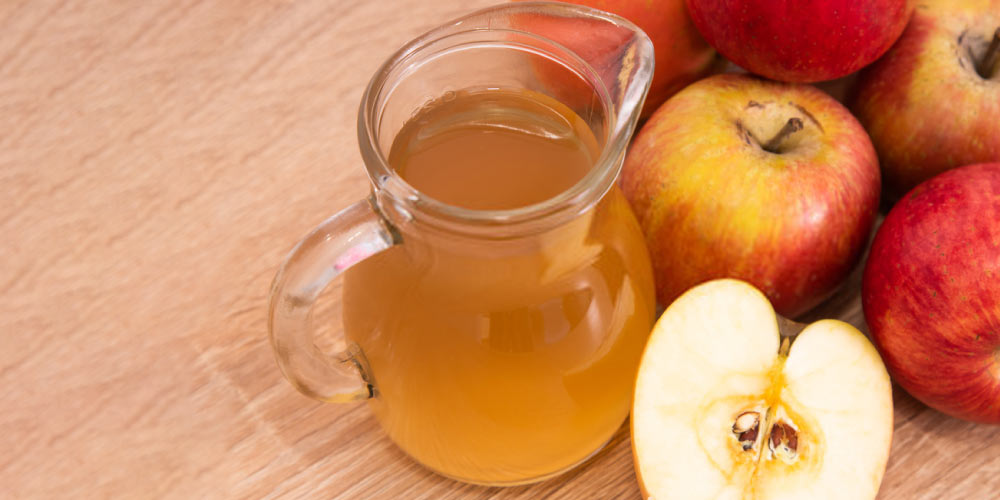
Apple cider vinegar is often used as a home remedy for digestive discomfort. Some people report relief from bloating and indigestion after consuming diluted apple cider vinegar before meals. However, its effects can vary from person to person.
If you wish to try it, mix a small amount of raw apple cider vinegar in a glass of warm water and consume it before meals. Stop using it if it worsens heartburn or acid reflux.
4. Include Cinnamon in Moderation
Cinnamon contains natural compounds that may support digestive health and help soothe mild gastric irritation. It is also commonly used to improve digestion and reduce bloating.
You may add half a teaspoon of cinnamon powder to warm water or herbal tea once or twice daily.
5. Practice Safe Yoga
Regular yoga and stretching exercises may help improve posture, strengthen core muscles, and reduce stress—factors that can influence hiatal hernia symptoms.
Focus on gentle breathing exercises and poses that do not place excessive pressure on the abdomen. If certain poses trigger reflux or discomfort, discontinue them and consult a qualified instructor or healthcare provider.
6. Drink Chamomile Tea

Chamomile tea is widely known for its calming and anti-inflammatory properties. It may help soothe the digestive tract, reduce bloating, and support better digestion.
Many people also find chamomile tea beneficial for managing stress, which can indirectly help reduce digestive discomfort associated with hiatal hernia.
To prepare chamomile tea, steep one teaspoon of chamomile flowers or tea in hot water for 5 minutes, strain, and enjoy.
7. Try Slippery Elm Tea
Slippery elm is a traditional herbal remedy that forms a soothing coating over the digestive tract. It may help relieve irritation caused by acid reflux and heartburn.
Mix two teaspoons of slippery elm powder into hot water and consume it according to the product instructions.
8. Make Smart Dietary Changes
Because hiatal hernia commonly affects digestion and acid reflux, diet plays a significant role in symptom management. Following a balanced eating plan and avoiding trigger foods can make a noticeable difference.
It is advisable for a patient with hiatal hernia to keep a close eye on their diet.

Foods to Eat with Hiatal Hernia
Fiber-rich, non-acidic foods can support digestion and help minimize reflux symptoms. Recommended foods include:
- Green leafy vegetables
- Beans and peas
- Lean proteins such as fish and chicken
- Non-citrus fruits
- Nuts and seeds
- Artichokes and asparagus
- Cardamom and coriander
- Herbal and decaffeinated teas
- Healthy fats such as olive oil and avocado
- Broths and soups
- Probiotic-rich fermented foods
Foods to Avoid During Hiatal Hernia
Certain foods may worsen reflux, bloating, or heartburn and are best limited or avoided:
- Fatty foods
- Caffeinated beverages
- Fried and oily foods
- Chocolate and cocoa products
- Alcohol
- Tomato-based sauces
- Candies and sugary foods
- Carbonated drinks
- Sweetened juices
- High-fat dairy products
- Excessively salty foods
- Fast food and processed meals
- Onions, garlic, shallots, and chives (if they trigger symptoms)
9. Manage Stress Effectively
Stress does not directly cause a hiatal hernia, but it can aggravate digestive symptoms and make acid reflux feel worse. Chronic stress may also affect eating habits, sleep quality, and overall digestive health.
Activities such as meditation, deep breathing, yoga, and regular exercise can help reduce stress levels. If anxiety is affecting your quality of life, learn more about how to ease out anxiety.
10. Stay Hydrated Throughout the Day
Adequate hydration supports digestion and overall health. Drinking water between meals rather than during large meals may help some people reduce feelings of fullness and reflux.
Aim to drink water consistently throughout the day and avoid becoming dehydrated.
Read more: How to cure an inguinal hernia without surgery?
Pristyn Care Recommends
People who are overweight, obese, frequently strain while lifting heavy objects, or women who have experienced multiple pregnancies may have a higher risk of developing a hiatal hernia. Maintaining a healthy weight and following a balanced diet may help reduce symptom severity.
While natural remedies may provide temporary relief from symptoms, they cannot repair the anatomical defect responsible for a hiatal hernia. These remedies should also not be used as a substitute for professional medical evaluation, particularly in infants who have developed a hernia.
Ignoring persistent symptoms or delaying treatment may increase the risk of complications. If symptoms become severe, medical intervention may be necessary.
Seek medical attention immediately if you experience severe chest pain, difficulty swallowing, vomiting, or signs of strangulation. Pristyn Care recommends consulting a doctor if hiatal hernia symptoms persist or worsen.
For patients requiring definitive treatment, laparoscopic hernia repair is considered one of the most effective treatment options. During this minimally invasive procedure, surgeons use a laparoscope to repair the weakened area and may reinforce it with a surgical mesh. The procedure is associated with high success rates and faster recovery compared to traditional surgery.
Also Read:
 Doctor available













.jpg/1681796287744_ban-Icon.png)


































.jpg/1681109066874_ban-Icon.png)






.jpg/1685814002647_ban-Icon.png)




























%20(1).png/1742636902782_ban-Icon.png)