Table of Contents
Home Remedies for Anal Fissure: 5 Ways to Relieve Pain Naturally
An anal fissure is a small tear or cut in the thin skin lining the anus. It commonly develops after passing hard or large stools, constipation, or repeated straining during bowel movements. An anal fissure can cause sharp pain while passing stool, burning or discomfort after bowel movements, and a small amount of bright-red blood on the toilet paper or stool.
Many acute anal fissures improve with measures that soften the stool and reduce irritation around the anus. Home care can help relieve symptoms and support healing, especially when constipation or hard stools are contributing to the problem. However, persistent, recurrent, or severe anal fissures may require medical treatment.
5 Home Remedies for Anal Fissure
The following measures can help reduce pain and make bowel movements easier while an anal fissure heals.
1. Take a Warm Sitz Bath
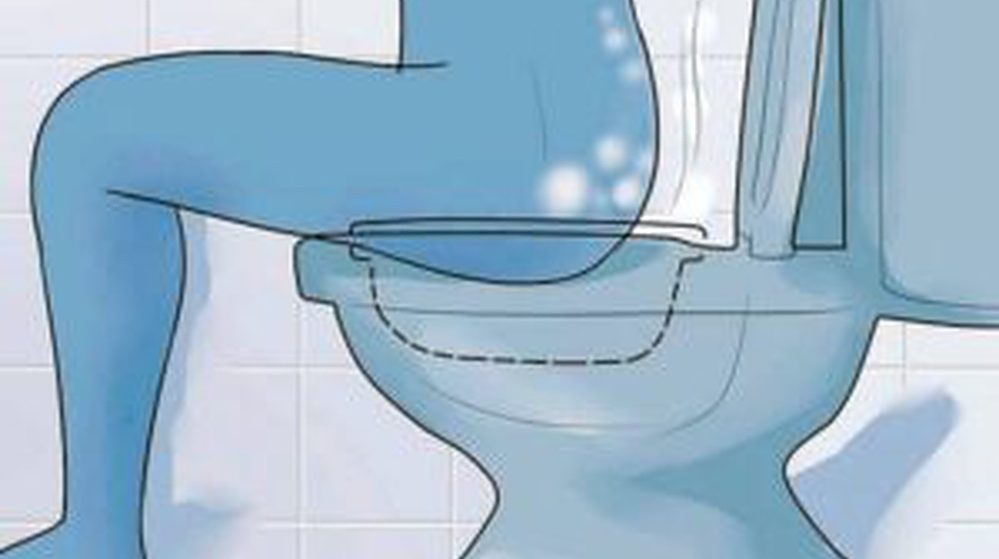
A warm sitz bath is one of the simplest ways to relieve anal fissure discomfort. Sitting in warm water can relax the muscles around the anus and temporarily reduce pain, burning, and irritation.
To take a sitz bath, sit in clean, comfortably warm water for about 10 to 20 minutes. You can take it after a bowel movement and repeat it a few times during the day if it provides relief. The water should be warm rather than very hot to avoid irritating or burning the skin.
Also Read:Preventions and Cures for Fissure
2. Increase Your Fiber Intake
Increasing dietary fiber can help soften stools and make them easier to pass. This is particularly important when constipation or hard stools have contributed to the fissure.
Most adults should aim for an adequate daily fiber intake through foods such as fruits, vegetables, whole grains, beans, lentils, and seeds. Increase fiber gradually and drink enough fluids to help prevent bloating and constipation.
| Fiber-rich foods | Examples |
|---|---|
| Fruits | Apples, pears, oranges, berries, avocado and other fresh fruits |
| Vegetables | Broccoli, spinach, carrots, cabbage, peas and other vegetables |
| Legumes | Chickpeas, beans, lentils, peas and soybeans |
| Whole grains and seeds | Oats, whole-grain cereals, bran, chia seeds and flaxseeds |
If dietary changes are not enough, a doctor may recommend a fiber supplement or stool-softening treatment depending on your symptoms.
3. Drink Enough Water
Staying adequately hydrated can help prevent stools from becoming excessively hard and difficult to pass. Drink water regularly throughout the day and increase your fluid intake when you increase your fiber intake, unless a doctor has advised you to restrict fluids.
Keeping stools soft can reduce the need to strain during bowel movements and may help prevent further irritation of the fissure.
4. Avoid Straining and Do Not Delay Bowel Movements
Straining can put additional pressure on the anal canal and may worsen an existing fissure or delay healing. Try to use the toilet when you feel the urge rather than repeatedly postponing bowel movements.
Also, avoid sitting on the toilet for long periods, particularly when you are not passing stool. A relaxed position and adequate time without excessive pushing can make bowel movements easier.
5. Keep the Anal Area Clean and Dry
Good anal hygiene can help prevent additional irritation while the fissure heals. After a bowel movement, gently clean the area with water and avoid vigorous rubbing. Pat the area dry rather than wiping aggressively.
Fragranced soaps, perfumes, and other products applied around the anus can irritate sensitive skin. Choose gentle, fragrance-free products when needed and avoid scratching the affected area.
Foods to Eat When You Have an Anal Fissure
Your diet can play an important role in preventing constipation and hard stools. Focus on foods that provide fiber and fluids.
- Fresh fruits such as pears, apples, oranges and berries
- Green leafy vegetables and other vegetables
- Oats and other whole grains
- Beans, chickpeas and lentils
- Seeds such as chia and flaxseeds
- Plenty of water and other suitable fluids
Try to increase fiber gradually instead of suddenly adding large amounts to your diet. A sudden increase may cause gas or bloating.
What Should You Avoid During Anal Fissure?
Some habits can make bowel movements more difficult or increase irritation around the anus. Consider avoiding:
- Straining or pushing hard during bowel movements
- Ignoring the urge to pass stool
- Spending a long time sitting on the toilet
- Rough wiping after bowel movements
- Scratching the affected area
- Sudden, excessive increases in fiber without adequate fluids
Can Olive Oil or Aloe Vera Cure an Anal Fissure?
Olive oil and aloe vera are sometimes promoted as natural remedies for anal fissures. However, there is not enough reliable clinical evidence to recommend applying these substances directly to an anal fissure as a treatment.
The skin around the anus is sensitive, and applying homemade mixtures, essential oils, or other products may cause irritation or an allergic reaction. Avoid putting unapproved substances inside the anus or directly onto an open fissure unless your healthcare professional recommends them.
How Effective Are Home Remedies for Anal Fissure?
Home care can be helpful for many people with a recent or acute anal fissure, particularly when constipation and hard stools are involved. The main goals are to keep stools soft, reduce straining, relax the anal muscles, and prevent further irritation.
However, home remedies do not guarantee that an anal fissure will heal. A fissure that lasts for several weeks, repeatedly comes back, or causes significant pain may need medical evaluation and prescription treatment.
If symptoms continue despite appropriate home care, a doctor may recommend treatments such as stool-softening medicines, topical medications that relax the anal muscle, or other procedures depending on the severity and duration of the fissure.
Also Read:Possible Treatments for Anal Fissure
When Should You See a Doctor for an Anal Fissure?
Consult a doctor if the pain is severe, symptoms do not improve with home care, or the fissure keeps recurring. Medical evaluation is also important if you have significant or repeated rectal bleeding.
Seek medical attention if you notice symptoms such as:
- Severe or worsening anal pain
- Persistent bleeding from the anus
- A fissure that does not heal
- Repeated episodes of anal fissure
- A lump, swelling, or pus near the anus
- Fever along with anal pain or swelling
- Changes in bowel habits that persist
Not every case of anal pain or rectal bleeding is caused by a fissure. Conditions such as hemorrhoids, anal abscess, fistula, inflammatory bowel disease, and other problems can cause similar symptoms.
Can Anal Fissure Heal Without Surgery?
Yes. Many acute anal fissures can heal without surgery when the underlying cause is addressed. Keeping stools soft, avoiding straining, taking warm sitz baths, and maintaining good bowel habits can support healing.
Chronic or recurrent fissures may not respond adequately to home care alone. In such cases, a doctor can determine whether medication or a procedure is appropriate.
Also Read:Stages of Healing Anal Fissure
Get Medical Advice for Persistent Anal Fissure
Home remedies can help manage the symptoms of an anal fissure, but they should not replace medical evaluation when symptoms are persistent or severe. Early treatment can help prevent an acute fissure from becoming a recurring or chronic problem.
If you continue to experience pain or bleeding during bowel movements despite following these measures, consult a qualified proctologist to determine the underlying cause and appropriate treatment.